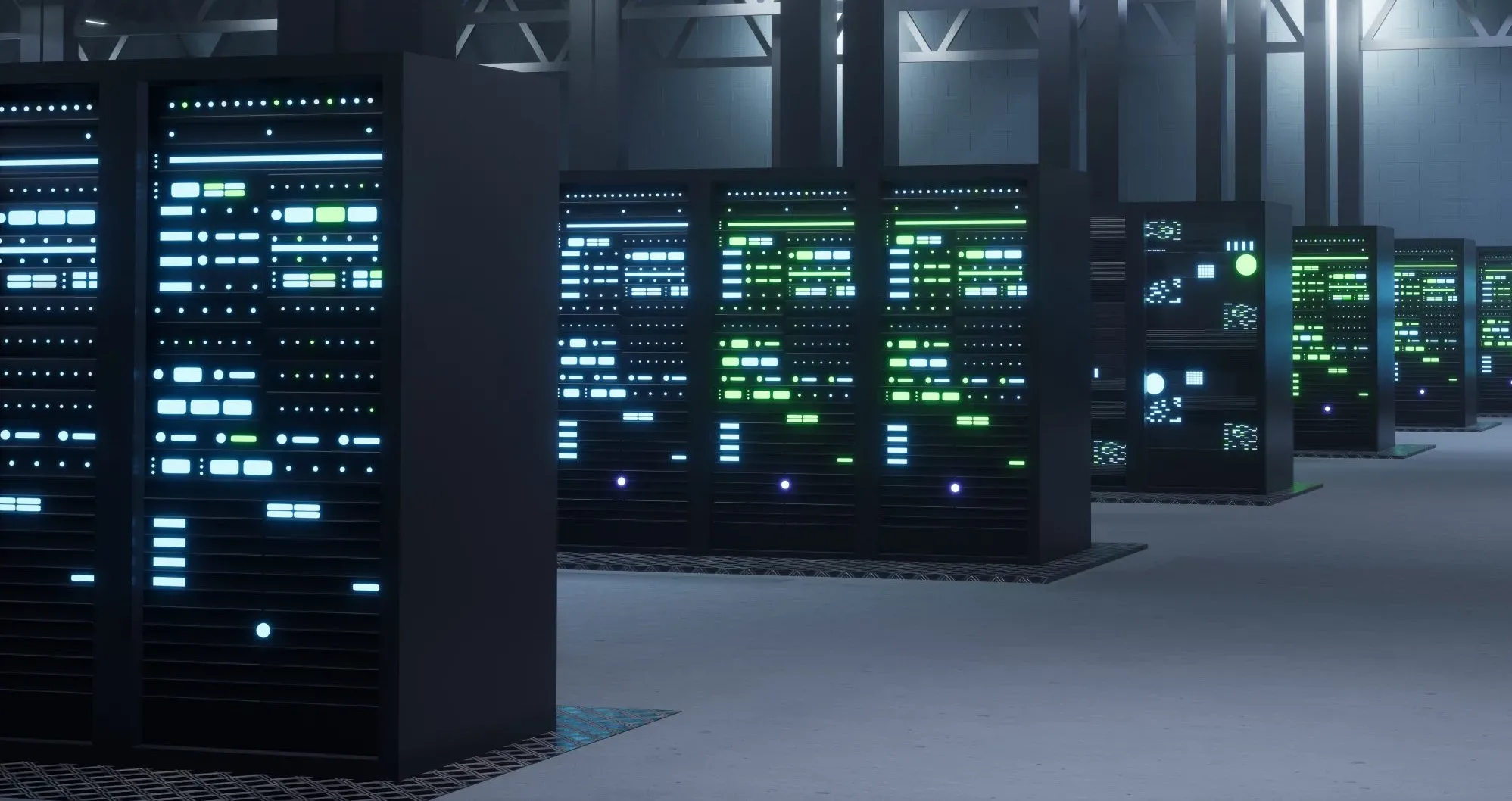

The digital heartbeat of global business pulses through two major arteries: London and New York. As international commerce becomes increasingly dependent on lightning-fast data transmission, these cities are pioneering the evolution of data centre infrastructure that keeps our connected world spinning. From artificial intelligence to high-frequency trading, the demands on data centres have never been greater, and these two financial powerhouses are leading the charge in innovation and connectivity.
The Rise of Financial Data Centres
The journey of data centre evolution in London and New York mirrors the transformation of global finance itself. What began as simple server rooms in the basements of financial institutions has evolved into sophisticated, purpose-built facilities that process millions of transactions per second. London’s Docklands and New York’s Hudson Yards have become synonymous with cutting-edge data infrastructure, hosting facilities that power everything from cloud computing to artificial intelligence operations.
These financial hubs face unique challenges in maintaining their competitive edge. Space constraints in urban centres, ever-increasing power demands, and the need for redundant systems all push innovation forward. Despite these challenges, both cities continue to expand their data centre footprint, with new facilities incorporating advanced cooling systems and energy-efficient designs.

Cross-Atlantic Connectivity
The subsea cable infrastructure between London and New York represents one of the most significant technological achievements in modern telecommunications. Major service providers, including NewYorkCityServers, have established robust cross-Atlantic networks that enable near-instantaneous data transmission between these global financial centres. These connections utilise advanced fibre optic technology and strategic routing to minimise latency, ensuring data travels across the ocean in milliseconds.
Redundancy plays a crucial role in maintaining reliable connections. Multiple cable systems criss-cross the Atlantic, creating alternate pathways for data transmission in case of disruptions. This infrastructure supports everything from cloud services to real-time communication, making it possible for businesses to operate seamlessly across time zones.
Technological Innovations
Modern data centres bear little resemblance to their predecessors, thanks to continuous technological advancement. Edge computing has emerged as a game-changer, bringing processing power closer to end-users and reducing latency even further. AI systems now manage everything from cooling systems to power distribution, optimising efficiency in real-time.
Both cities are embracing green energy initiatives in their data centres. Solar panels, wind energy, and advanced battery storage systems are becoming standard features. Cooling systems have evolved from traditional air conditioning to sophisticated liquid cooling solutions that handle the heat output of increasingly powerful servers while minimising environmental impact.
Infrastructure Challenges and Solutions
The dense urban environments of London and New York present unique challenges for data centre expansion. Real estate prices and space limitations have pushed operators to innovate, resulting in vertical data centre designs and the repurposing of existing buildings. Power consumption remains a critical concern, with facilities implementing smart grid technology and advanced power management systems to optimise usage.
Environmental considerations have moved to the forefront of data centre design. Both cities have implemented strict regulations regarding power efficiency and carbon emissions. In response, operators have developed innovative solutions, from using river water for cooling to implementing heat recycling systems that warm nearby buildings.
Future Trends
The future of data centres in London and New York points toward even greater integration of sustainable technologies and automated systems. Quantum computing facilities are beginning to appear, requiring new approaches to cooling and power delivery. Edge computing continues to expand, with micro data centres appearing throughout both cities to support 5G networks and IoT devices.
The rise of artificial intelligence and machine learning is driving demand for even more powerful computing facilities. Both cities are seeing the development of specialised data centres designed specifically for AI workloads, featuring advanced GPU clusters and custom cooling solutions to handle the intense heat generation.
Looking Forward
As London and New York continue to lead the evolution of data centre technology, their innovations ripple out to influence facilities worldwide. The push for greater efficiency, reduced latency, and enhanced sustainability sets new standards for the industry. While challenges remain, particularly in balancing growth with environmental responsibility, these cities demonstrate how technological innovation can overcome seemingly insurmountable obstacles.
The future of global connectivity depends on continued innovation in data centre design and operation. As London and New York push the boundaries of what’s possible, they not only maintain their positions as global financial centres but also shape the future of how the world connects and communicates.