
Water is part of our everyday life, from making a cup of tea to washing clothes, showering and cleaning up in the kitchen. But while it may look the same from the tap, not all water behaves in the same way.
The terms hard water and soft water refer to the mineral content of the water supply. Understanding the difference can help explain common household issues such as limescale, dull laundry, streaky glasses and dry-feeling skin.
What is hard water?
Hard water contains higher levels of dissolved minerals, mainly calcium and magnesium. These minerals are picked up naturally as water passes through rocks such as limestone and chalk before reaching homes.
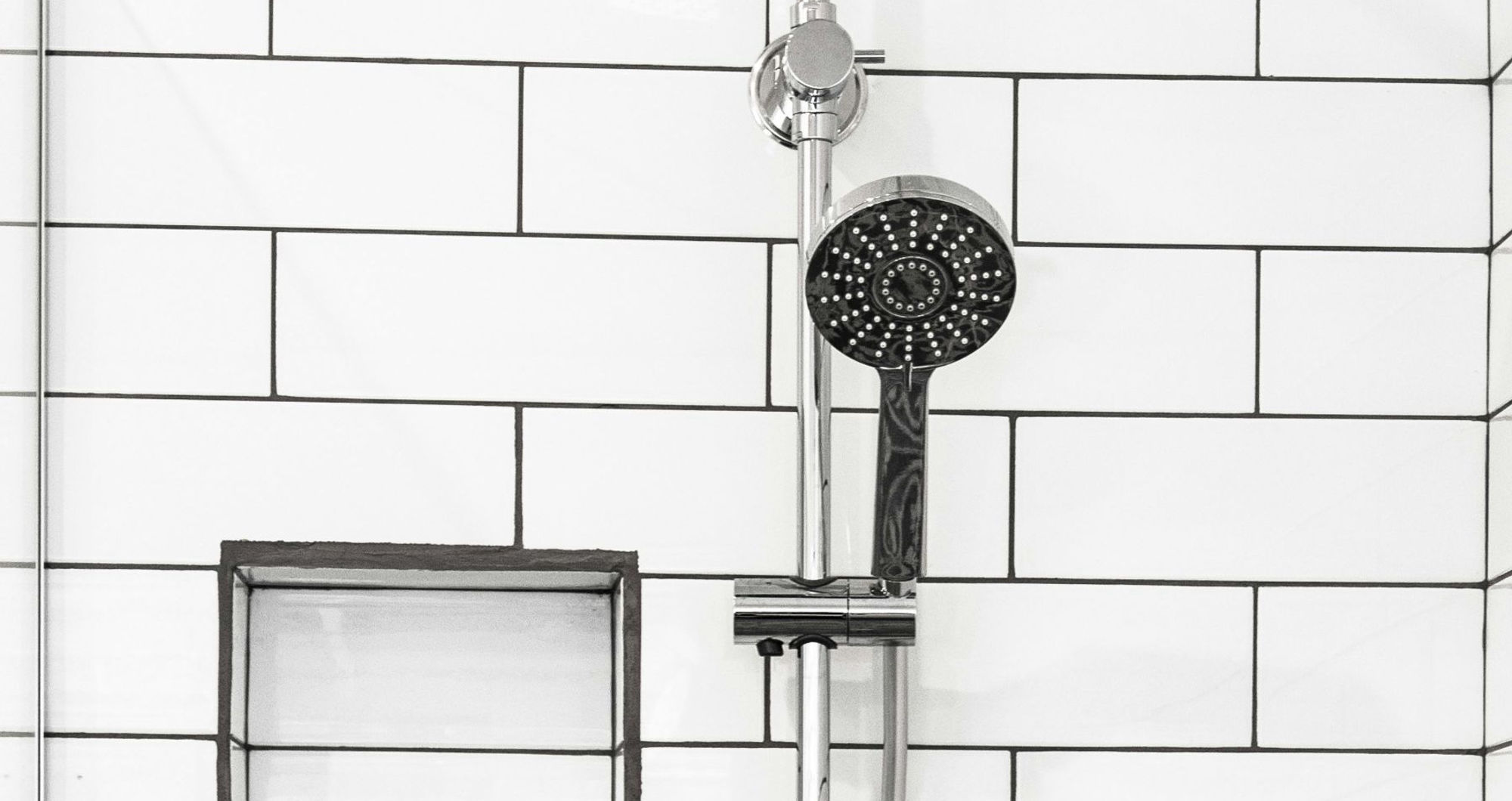
Hard water is safe to drink and use, but it can leave visible signs around the home. The most common is limescale, which often appears as a chalky white build-up on taps, showerheads, kettles and around sinks.
What are the signs of hard water?
One of the clearest signs of hard water is limescale. You may notice it inside the kettle, on shower screens or around taps. It can also affect how soaps and shampoos perform, as they may not lather as easily.
Laundry washed in hard water can sometimes feel rougher, while glassware may come out of the dishwasher with streaks or cloudy marks. Over time, limescale can also build up inside appliances such as washing machines, dishwashers and boilers, which may affect efficiency.
What is soft water?
Soft water contains lower levels of calcium and magnesium. In some homes, water is naturally soft, while in others it can be produced using a water softener.
Softened water is often created through a process called ion exchange, which reduces the minerals responsible for limescale. As a result, soft water tends to work more effectively with soaps, shampoos and detergents.
How does soft water feel?
Soft water usually creates a better lather, meaning less soap or shampoo may be needed. It can leave skin feeling smoother and hair feeling lighter because there are fewer mineral deposits left behind after washing.
It can also help laundry feel softer and reduce streaks on glasses, shower screens and bathroom surfaces. For households that spend a lot of time removing limescale, soft water can make cleaning easier.
Hard water and the home
The biggest household issue linked with hard water is limescale. While a small amount may seem harmless, build-up inside pipes and appliances can become inconvenient over time.
Kettles may need descaling more often, showerheads can become blocked and heating systems may work less efficiently if deposits accumulate. This can increase maintenance and potentially shorten the lifespan of some appliances.
Soft water and the home
Soft water can help reduce limescale build-up and may make cleaning products go further. Because it works more easily with soap and detergent, households may use less when washing, bathing or cleaning.
It can also help keep bathroom fittings, kitchen taps and glass surfaces looking clearer for longer. For people living in hard water areas, this can be one of the biggest practical benefits.
Does water type affect the taste?
Some people prefer the taste of hard water because of its natural mineral content. Others may prefer the milder taste of soft water.
Softened water can sometimes contain more sodium, depending on the softening system used. Anyone on a low-sodium diet or with specific health concerns should check whether softened water is suitable for drinking and seek professional advice if unsure.
Which is the better water type?
There is no single answer. Hard water is perfectly safe and many people are happy with it, especially if they like the taste and do not mind regular descaling.
Soft water can be more convenient for cleaning, laundry, bathing and protecting appliances from limescale. For households in hard water areas, installing a water softener may be worth considering.
Ultimately, the right choice depends on your home, lifestyle and personal preference. If limescale, streaky glassware, dull laundry or dry-feeling skin are regular frustrations, your water type could be part of the reason.