
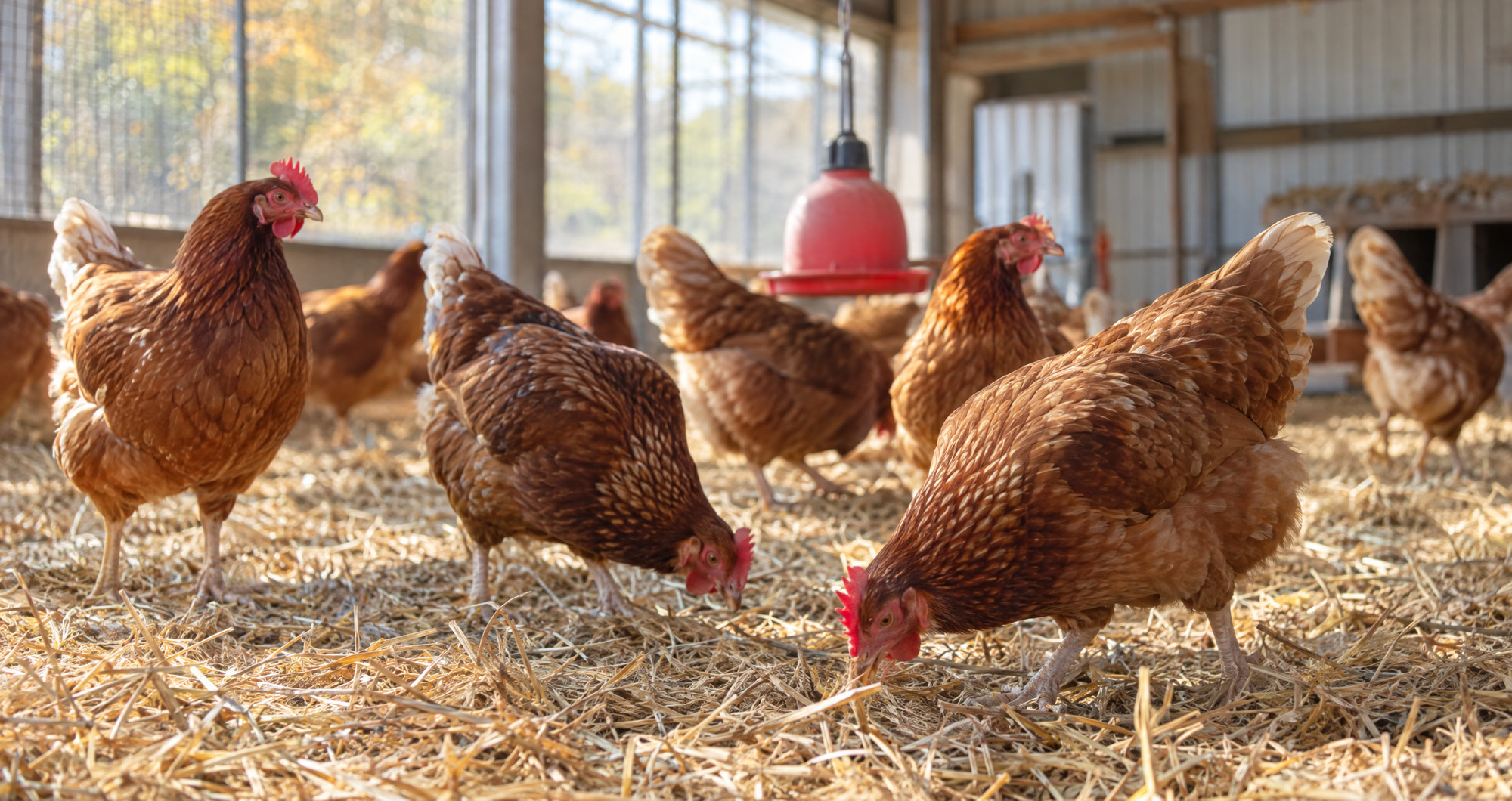

Bird keepers across England face new national measures to protect poultry and other captive birds from avian influenza, with a housing order for qualifying flocks scheduled to begin at 00:01 on 13 November 2026.
The order applies to keepers with 50 or more birds and to those who sell or give away eggs, poultry products or live birds, even if they have fewer than 50. There are exceptions in specific circumstances, including for some zoo birds. The measures cover all of England, including London.
They follow a separate England-wide avian influenza prevention zone, which took effect at 9am on 11 November. Its biosecurity rules apply to bird keepers regardless of the size of their flock, from commercial producers to people with a few birds at home.
The UK Chief Veterinary Officer introduced the housing order after an increased risk and a rising number of confirmed cases of highly pathogenic avian influenza in kept birds, as well as findings in wild birds. The measures are intended to reduce contact between kept birds and sources of infection; their introduction does not mean that every flock in England is infected.
Who needs to house birds?
The national order makes the distinction between flock size and what a keeper does with the birds or their products important. A keeper with fewer than 50 birds is not automatically outside the housing requirement: selling or giving away eggs, poultry products or live birds also brings them within its scope.
Someone with a small backyard flock who does not distribute eggs, poultry products or live birds is not covered by that particular size-or-distribution requirement. They must still follow the national biosecurity rules, and additional restrictions may apply if their premises are in a local disease control zone. Keepers should check the rules that apply to their circumstances rather than assume that every prevention zone has the same requirements.
The national prevention zone is different from the smaller protection and surveillance zones that can be imposed around individual infected premises. Such local zones can carry their own conditions, including restrictions on movements and licensing requirements. The national measures do not cancel those local obligations.
Cleaning and reducing contact
The England-wide prevention zone requires enhanced biosecurity for all keepers. The required measures include record keeping and reporting a significant drop in egg production, along with regular cleaning and disinfection of housing and concrete walkways.
Keepers must clean and disinfect clothing, footwear, equipment and vehicles before and after contact with poultry and captive birds, and reduce unnecessary movement of people, vehicles and equipment around the places where birds are kept. They must also carry out effective vermin control and keep disinfectant at the correct concentration at entry and exit points.
Feed and water must be protected from access by wild birds. Poultry must be prevented from accessing ponds and watercourses and kept in fenced or enclosed areas. These precautions address indirect contact as well as direct contact between wild and kept birds: material carried on footwear or equipment can also be a route for contamination.
Housing birds can itself affect their welfare, particularly when they are not used to spending long periods under cover. Keepers should avoid overcrowding, provide sufficient ventilation and light, ensure access to food and clean water, and check birds more than once a day. Suitable material or objects can help keep birds occupied.
Reporting concerns
Bird flu is a notifiable disease in poultry and other captive birds. Keepers who suspect it must report their concern immediately to the Animal and Plant Health Agency. In England, the reporting number is 03000 200 301. People concerned about their birds’ health can also speak to their vet.
Signs include sudden deaths, breathing difficulties and a significant fall in egg production. These signs do not by themselves confirm bird flu; laboratory testing is needed to establish whether the virus is present. Some infected species can spread the virus without showing obvious signs of illness.
Scotland introduced its own nationwide prevention zone on 10 November. That declaration requires biosecurity measures but did not itself introduce a general Scottish housing order. The English housing requirements and the Scottish zone should therefore not be treated as interchangeable.
The current risk to human health from avian influenza remains very low. Properly cooked poultry and poultry products, including eggs, are safe to eat. No overall effect on the availability of Christmas turkeys or other seasonal poultry is currently anticipated.







