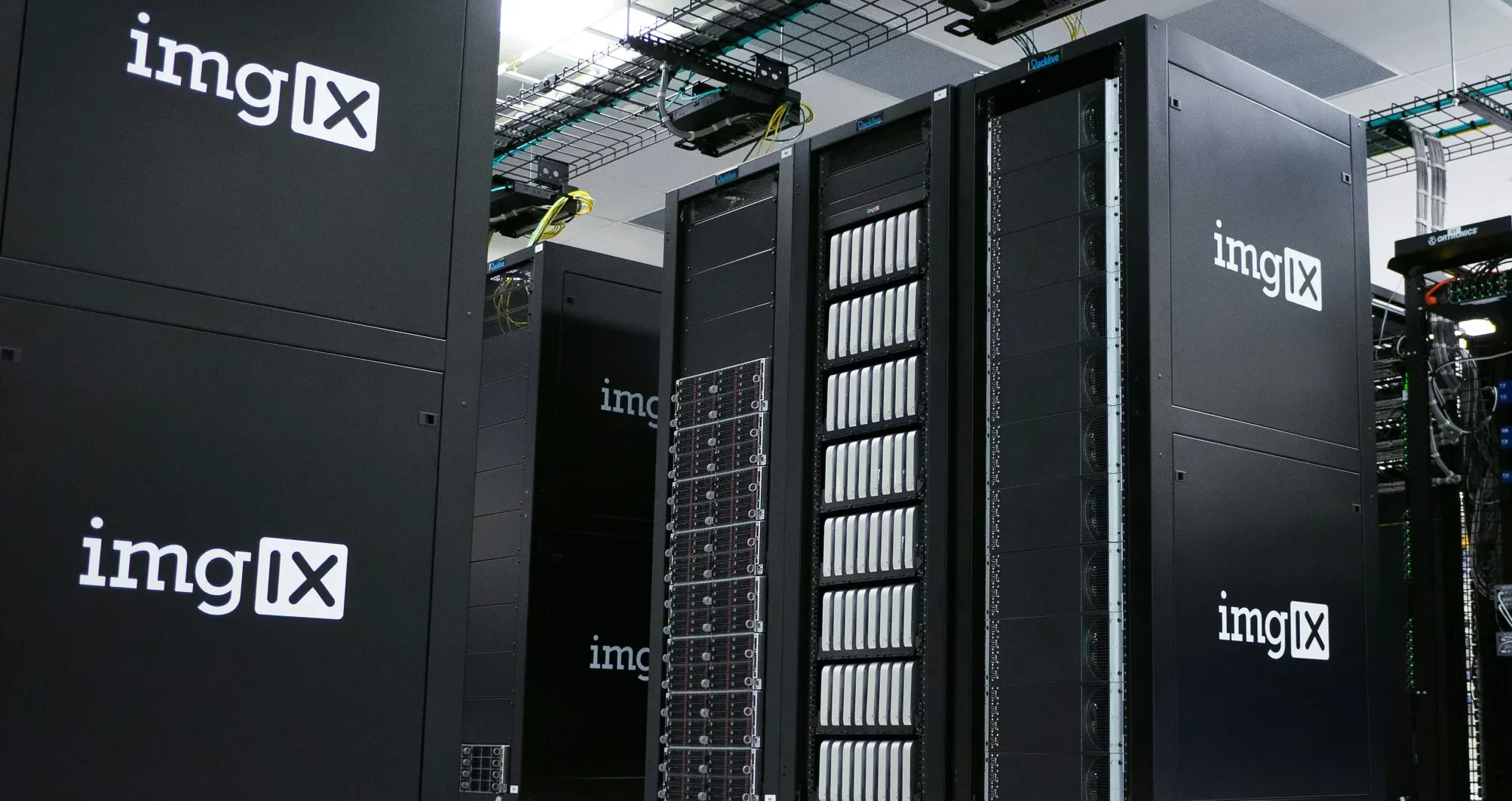

London’s status as a global technology hub necessitates the continuous evolution of data centre infrastructure. Data centres form the backbone of digital operations, hosting vast amounts of data critical for businesses, governments, and consumers alike. However, as the demand for data processing grows, so does the need for efficient and sustainable cooling systems. This article explores how innovative cooling solutions, specifically stainless steel piping systems, contribute to the performance and sustainability of data centres in London.
The Challenge of Data Centre Cooling
Data centres generate substantial heat due to the continuous operation of servers and networking equipment. Efficient cooling systems are vital to maintaining optimal performance, preventing equipment failure, and minimizing energy consumption. Traditional cooling methods, while effective, often fall short in meeting the growing demands for energy efficiency and environmental sustainability.
London’s climate and the city’s commitment to reducing carbon emissions add complexity to data centre cooling strategies. Operators must balance operational efficiency with environmental responsibility, adhering to stringent regulations and sustainability goals.
Stainless Steel: A Superior Choice for Cooling Infrastructure
An effective cooling solution must offer durability, efficiency, and minimal maintenance. Stainless steel piping systems have emerged as a superior choice for data centre cooling due to several key advantages:
- Corrosion Resistance: Stainless steel is highly resistant to corrosion, ensuring the longevity and reliability of cooling infrastructure. This is particularly important in data centres where system downtime can have significant financial implications.
- Strength and Durability: Stainless steel pipes can withstand high pressures and temperatures, making them ideal for demanding cooling applications. Their structural integrity reduces the risk of leaks and system failures.
- Hygienic Properties: The smooth surface of stainless steel prevents the buildup of contaminants, maintaining system cleanliness and reducing maintenance requirements.
- Sustainability: Stainless steel is fully recyclable, aligning with London’s sustainability initiatives. Its durability also means fewer replacements and lower resource consumption over time.
A practical illustration of these benefits is detailed in the data centre cooling case study featuring stainless steel piping solutions. This case study highlights how implementing stainless steel components led to enhanced system performance and reduced maintenance costs.
Aligning with London’s Sustainability Goals
London’s commitment to becoming a zero-carbon city by 2030 drives the adoption of sustainable technologies across all sectors, including data centres. Initiatives like the Mayor’s Zero Carbon Accelerator programme support businesses in reducing their carbon footprint. Implementing energy-efficient cooling systems directly contributes to these environmental objectives.
Advanced cooling technologies, such as stainless steel piping systems, offer a dual advantage: they improve energy efficiency and support sustainability goals. By reducing energy consumption and minimizing waste, data centres can operate more sustainably without compromising performance.
Economic and Operational Advantages
Beyond environmental benefits, efficient cooling systems offer significant economic and operational advantages:
- Reduced Operational Costs: Energy-efficient cooling systems lower electricity consumption, translating to substantial cost savings for data centre operators.
- Minimized Downtime: Reliable cooling infrastructure reduces the risk of overheating and equipment failure, ensuring continuous operation and minimizing downtime.
- Regulatory Compliance: Sustainable cooling solutions help data centres comply with environmental regulations, avoiding potential fines and reputational damage.
- Competitive Advantage: Data centres that prioritize sustainability and efficiency can differentiate themselves in a competitive market, attracting environmentally conscious clients and investors.
Future Trends in Data Centre Cooling
As data processing demands continue to rise, the future of data centre cooling will likely focus on further innovation and sustainability. Emerging trends include:
- Liquid Cooling Systems: These systems offer higher efficiency by directly cooling components with liquid, reducing reliance on traditional air conditioning.
- Renewable Energy Integration: Incorporating renewable energy sources into cooling operations can further reduce carbon emissions and operational costs.
- AI-Driven Efficiency: Artificial intelligence can optimize cooling operations by predicting temperature changes and adjusting cooling mechanisms in real-time.
Conclusion
Efficient and sustainable cooling systems are critical to the success of data centres in London. As highlighted in the data centre cooling case study, stainless steel piping solutions offer a robust and environmentally friendly approach to meeting these demands. By adopting advanced cooling technologies, London’s data centres can achieve greater energy efficiency, reduce operational costs, and align with the city’s ambitious sustainability goals. As the digital landscape continues to evolve, investing in innovative cooling solutions will be essential for maintaining London’s position as a global technology leader.