
The story of Francys Arsentiev is one of the most heartbreaking chapters in the history of high-altitude mountaineering. Her name is often remembered not only for her ambition and courage but also for the haunting words attributed to her in her final hours on the world’s highest peak. Those words—most commonly reported as “Don’t leave me”—have echoed through books, articles, and online discussions for more than two decades. They symbolize the brutal reality of climbing Mount Everest, where human limits are pushed to their absolute edge, and survival is never guaranteed.
This article explores the context of Francys Arsentiev’s last words, the events that led to them, and why her story continues to provoke emotional and ethical debate.
Who Was Francys Arsentiev?
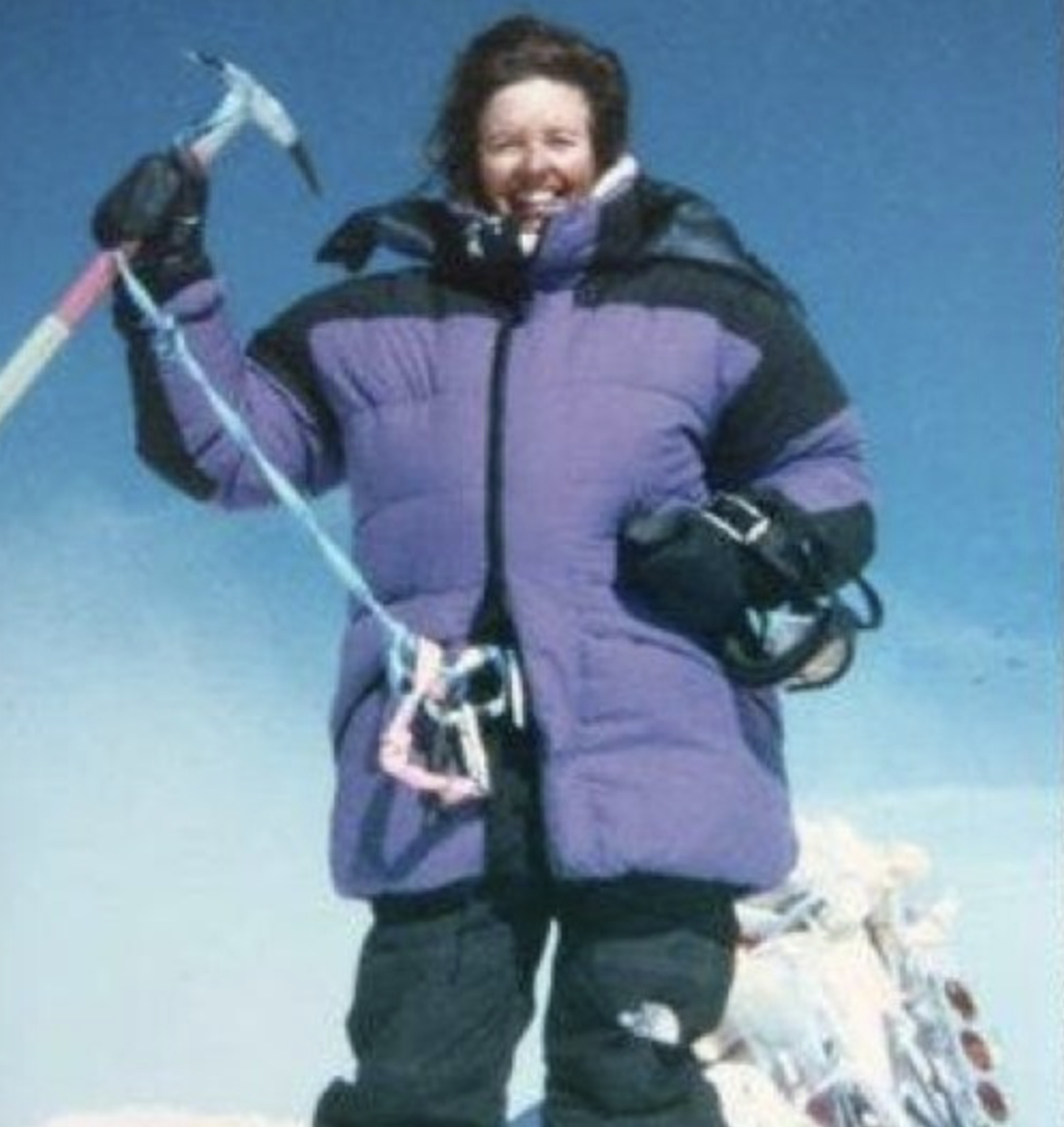
Francys Arsentiev was an experienced American mountaineer who had spent years preparing for the ultimate challenge: Mount Everest. Along with her husband, Sergei Arsentiev, she trained extensively and climbed numerous peaks before attempting Everest in 1998.
Her goal was ambitious and historic—to summit Everest without the use of supplemental oxygen. At the time, very few climbers attempted such ascents, and even fewer succeeded. Francys was known for her determination, physical endurance, and belief that careful preparation could overcome even the most extreme conditions.
The 1998 Everest Expedition
The Ascent
In May 1998, Francys and Sergei launched their summit attempt. After days of climbing through harsh weather, thin air, and physical exhaustion, Francys reached the summit of Everest. Reports later described her achievement as making her the first American woman to summit Everest without bottled oxygen.
However, summiting Everest is only halfway. The descent is often more dangerous than the climb up, and this is where tragedy struck.
The Descent Turns Fatal
During the descent, Francys became severely exhausted and disoriented. The lack of oxygen at extreme altitude—known as the “death zone”—can impair judgment, coordination, and consciousness. At some point below the summit, she collapsed and was unable to continue on her own.
Sergei attempted to help her, but conditions worsened. Other climbers encountered Francys during their own descent, finding her alive but in critical condition.
Francys Arsentiev’s Last Words
What Was Reported
Multiple accounts from climbers and later retellings suggest that Francys spoke faintly to those who found her. The words most often attributed to her are:
“Don’t leave me.”
Some versions expand this to “Please don’t leave me alone” or “I’m an American; please don’t leave me.” While the exact wording varies depending on the source, the core message remains consistent—a desperate plea for help.
Why the Exact Words Are Uncertain
It is important to understand that at altitudes above 8,000 meters, clear speech is rare. Severe hypoxia, frostbite, and exhaustion can make words slurred or fragmented. Climbers who encountered Francys were themselves physically and mentally impaired.
As a result, her “last words” are best understood as remembered fragments rather than a recorded quote. What matters most is not the precise phrasing but the unmistakable meaning behind it: a human being, still alive, begging not to be abandoned.
Why Was She Left Behind?
The Reality of the Death Zone
The death zone is a place where the human body cannot acclimatize. Every minute spent there increases the risk of death. Carrying an incapacitated climber requires multiple rescuers, technical equipment, and large amounts of oxygen—resources rarely available at such heights.
The climbers who found Francys reportedly gave her oxygen, tried to speak with her, and attempted to help her stand. Ultimately, they faced an impossible choice: stay and likely die themselves, or descend and survive.
Ethical Dilemmas on Everest
Francys Arsentiev’s final plea has become central to debates about ethics in mountaineering. Critics argue that leaving a living person behind is morally unacceptable. Defenders point out that attempting a rescue under those conditions would almost certainly have resulted in more deaths.
Her case illustrates a grim truth about Everest: sometimes, even with compassion and effort, rescue is beyond human capability.
The Aftermath and Legacy
Sergei Arsentiev’s Fate
Sergei Arsentiev reportedly attempted to return to Francys with additional equipment after leaving her temporarily. He never returned. His body was discovered later, confirming that both husband and wife died on the mountain.
A Visible Tragedy
For years after her death, Francys’s body remained visible near the climbing route, earning her the grim nickname “The Sleeping Beauty of Everest.” Many climbers reported being deeply disturbed by passing her remains. In 2007, a climber-led effort moved her body out of sight, offering a measure of dignity and peace.
Why Her Last Words Still Matter
Francys Arsentiev’s last words resonate because they strip away the heroism and adventure often associated with Everest and reveal something raw and universal: fear of being alone at the end. They remind us that behind every summit statistic is a human life, complete with hopes, loved ones, and vulnerability. Her story challenges romantic notions of conquest and forces us to confront the cost of extreme ambition.
Conclusion
Francys Arsentiev’s last words—“Don’t leave me”—are not just a tragic quote but a symbol of the limits of human endurance and the ethical complexities of high-altitude climbing. While the exact phrasing may never be known with certainty, the meaning is painfully clear.
Her story continues to be told not because of sensationalism, but because it raises enduring questions about responsibility, compassion, and the price paid in pursuit of the world’s highest dreams. In remembering Francys Arsentiev, we remember that even on the roof of the world, humanity remains fragile.
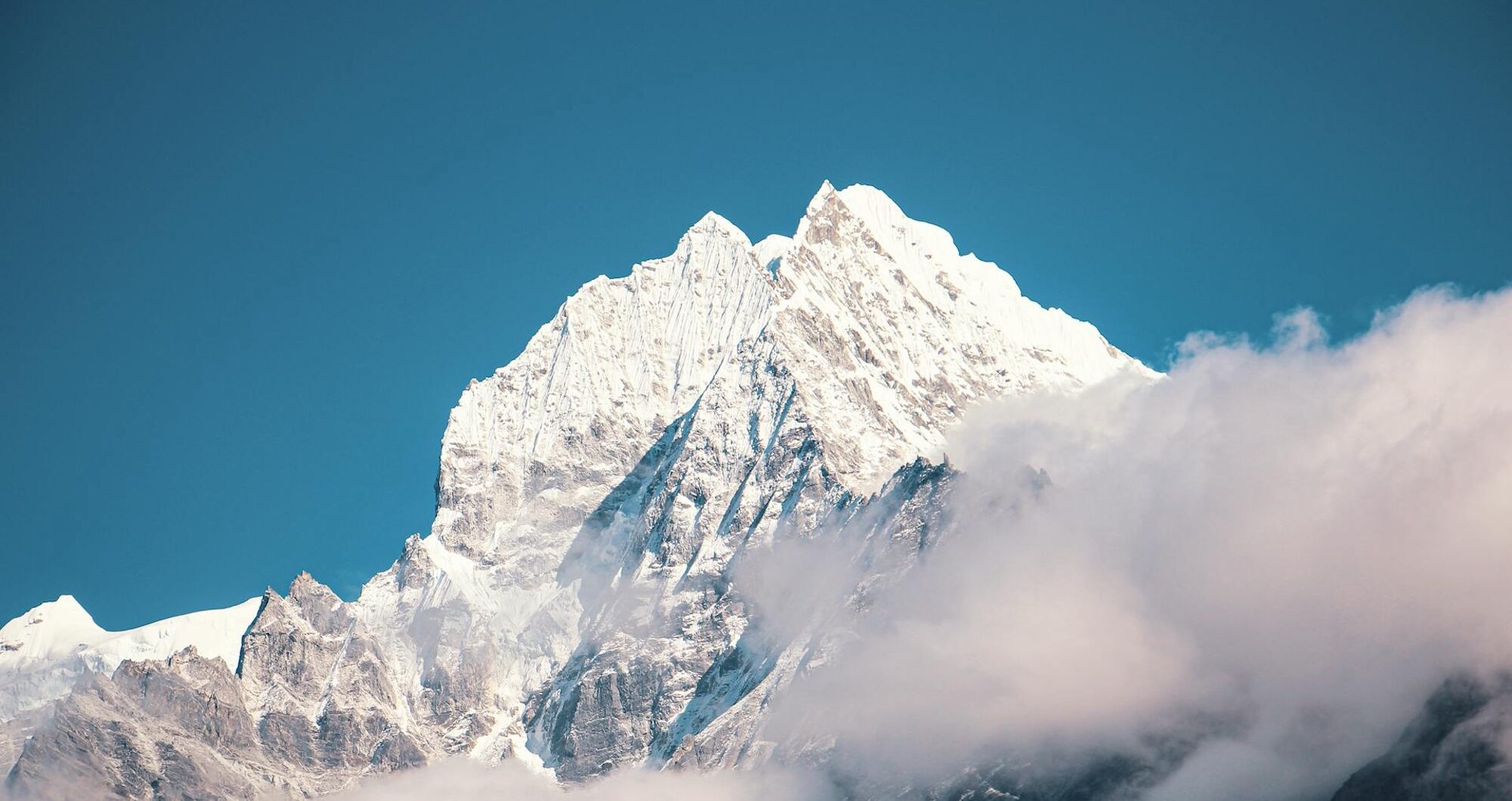
Feature Image by Sulav Loktam from Pexels