
Sports clubs across the UK are increasingly recognising the importance of professional, comfortable and personalised sportswear. From grassroots football teams and rugby clubs to cricket academies and basketball organisations, customised clothing is becoming an important part of sporting culture.
In the past, many amateur teams relied on basic uniforms with limited design options. Today, clubs are showing greater interest in personalised kits that reflect their identity while meeting the practical demands of training and competition.
Custom sportswear offers several potential benefits, including improved team identity, coordinated appearance, greater flexibility in design and clothing suited to specific sporting activities.
This article explores why custom sportswear is becoming popular among UK sports clubs and what teams should consider when choosing personalised athletic clothing.
Custom Sportswear Builds a Strong Team Identity
One of the biggest reasons sports clubs choose customised clothing is to create a recognisable team identity.
Every sports club has its own history, values, colours and traditions. Personalised kits allow teams to represent these characteristics through carefully selected designs.
Club badges, player numbers, team names and distinctive colour combinations can help create a consistent appearance.
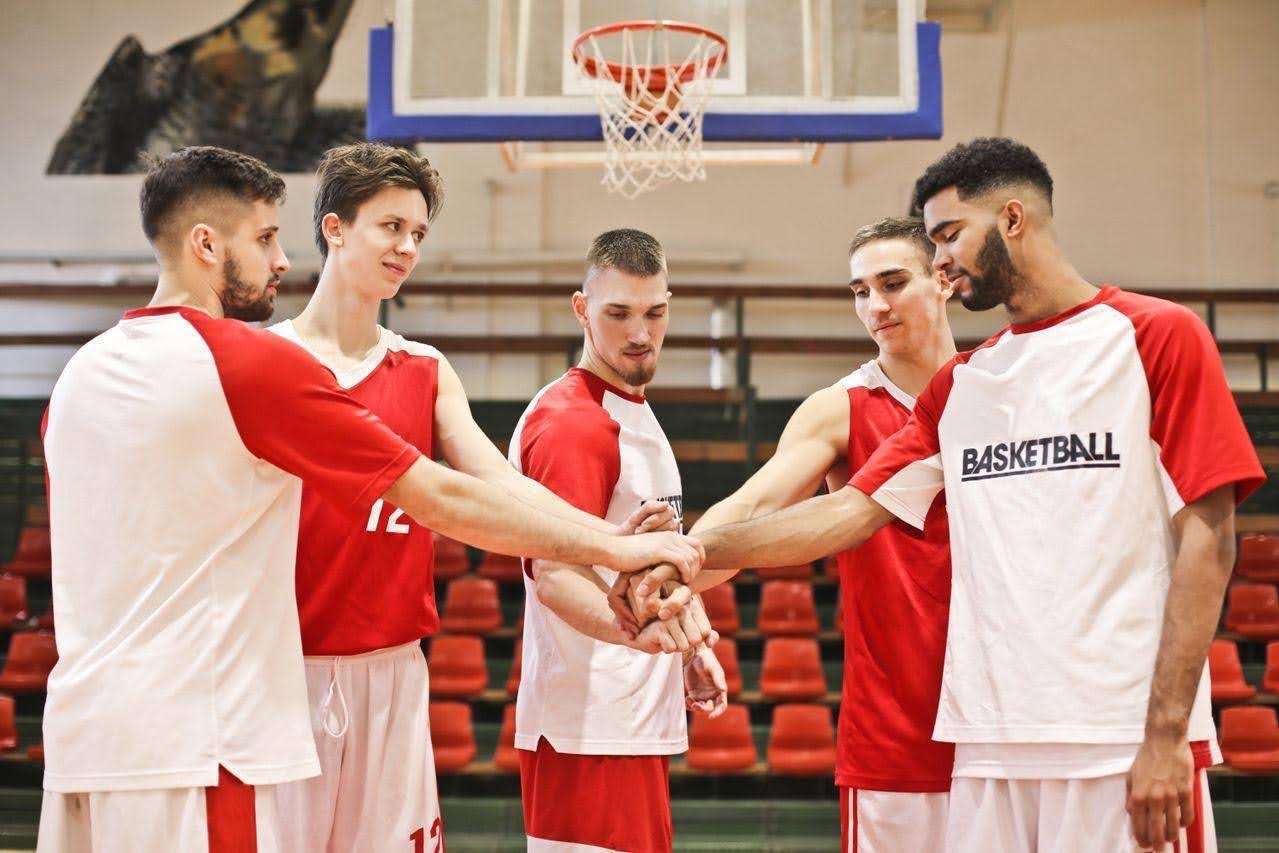
When players wear matching sportswear, they visually represent the same organisation, whether they are competing, training or attending club events.
A strong identity can also help supporters and local communities recognise their teams.
Professional Appearance Matters to Sports Clubs
Presentation is becoming increasingly important for amateur and grassroots sports organisations.
Coordinated sportswear can help clubs create a professional appearance during matches, tournaments and public events.
Matching shirts, shorts, tracksuits and training tops provide a consistent visual identity that reflects the club’s organisation.
This can be particularly valuable for teams participating in regional competitions or representing schools, universities and community organisations.
Although clothing alone does not determine sporting success, a coordinated appearance can contribute to a positive impression.
Personalised Training Wear Is Gaining Attention
Customisation is no longer limited to match-day uniforms. Many clubs also want coordinated clothing for practice sessions, warm-ups and travel.
Custom training wear kits allow sports organisations to create matching training tops, shorts, tracksuits and other garments featuring their chosen colours and branding.
This helps teams maintain a consistent appearance beyond competitive fixtures.
Training clothing should also meet practical requirements. Lightweight fabrics, suitable sizing and freedom of movement are important considerations, particularly for athletes who participate in demanding sessions.
By combining personalised designs with functional clothing, clubs can create a practical and recognisable training wardrobe.
Comfort and Performance Are Important Factors
Sportswear must do more than look attractive. Players need clothing that supports the movements required by their sport.
Footballers regularly sprint, turn and change direction. Rugby players require garments suitable for physically demanding activity, while basketball players need freedom of movement for jumping and rapid transitions.
Custom sportswear gives clubs an opportunity to select garments that match their sporting requirements.
Breathable materials, comfortable fits and appropriate construction can make a meaningful difference during training and competition.
Clubs should therefore consider functionality alongside colours, logos and other decorative details.
Custom Sportswear Encourages Team Unity
Wearing the same kit can reinforce a sense of belonging among players.
For grassroots clubs, where members may come from different backgrounds and age groups, coordinated clothing provides a visible connection to the organisation.
Matching uniforms can also help new players feel included as part of the team.
This is particularly relevant for junior sports clubs, school teams and community sporting organisations.
While successful teamwork depends on communication, coaching and shared effort, personalised sportswear can support a collective identity.
More Design Options Are Available
Another reason clubs are interested in custom sportswear is the opportunity to create distinctive designs.
Instead of relying entirely on standard clothing, teams can explore different colour combinations, patterns, logos and personalisation options.
Some organisations prefer traditional designs that reflect their club history, while others choose modern styles.
The flexibility to create a recognisable appearance is particularly appealing to clubs seeking to stand out during competitions.
However, designs should remain practical. Important details such as numbers and logos need to be clearly presented, and clothing should comply with relevant competition requirements.
Choosing the Right Sportswear Supplier
Selecting a suitable supplier is an important part of ordering personalised teamwear.
Sports clubs should compare garment materials, sizing options, available customisation methods, ordering requirements and delivery information.
When researching suppliers, clubs may encounter businesses such as BSH Sportswear. Before placing an order with any provider, teams should confirm product specifications, design options, minimum quantities where applicable and the expected production process.
Requesting clear information before purchasing can help clubs avoid misunderstandings.
The best supplier choice will depend on the club’s budget, sporting requirements and preferred designs.
Custom Kits Can Support Club Branding
Sports clubs increasingly use websites, social media and promotional materials to communicate with supporters and local communities.
Consistent sportswear designs can contribute to this wider branding.
When a club uses the same colours, badge and visual identity across match kits and training clothing, it becomes easier to maintain a recognisable appearance.
Team photographs, event images and promotional content can also benefit from coordinated uniforms.
For organisations seeking sponsorship, clearly presented sponsor branding may be another consideration, subject to the relevant sporting rules and agreements.
Custom Sportswear Offers Practical Value
Personalised sportswear can be a worthwhile investment when clubs select clothing suited to regular use.
Instead of focusing entirely on the initial price, organisations should consider fabric quality, comfort, sizing and expected frequency of wear.
Versatile garments can provide additional value. A branded tracksuit, for example, may be useful for training, travelling and attending club activities.
Ordering coordinated clothing also gives teams an opportunity to plan their kit requirements more consistently.
Careful purchasing decisions can help clubs manage budgets while meeting players’ needs.
Customisation Is Relevant Across Different Sports
The appeal of personalised sportswear extends beyond football.
Cricket clubs may require coordinated match clothing and training outfits, while rugby teams need garments suited to their sport’s physical demands.
Basketball teams often prioritise lightweight clothing and unrestricted movement. Running clubs may prefer personalised training tops suitable for outdoor exercise.
Schools, universities and fitness organisations can also benefit from consistent sportswear designs.
The specific requirements vary, but the underlying goal remains similar: clothing that combines team identity with practical sporting use.
Conclusion
Custom sportswear is becoming an important consideration for UK sports clubs because it offers opportunities to combine team identity, professional presentation and practical athletic clothing.
Personalised match kits, training tops and tracksuits can help organisations create a consistent appearance during competitions, practice sessions and community events.
Customisation also allows clubs to select colours, logos and other design elements that reflect their individual character.
However, successful sportswear choices should always balance appearance with comfort, fit, fabric quality and suitability for the relevant sport.
As grassroots clubs, schools and sporting organisations continue to place value on coordinated teamwear, personalised sportswear is likely to remain a useful option.
Ultimately, the right custom sportswear can help a club express its identity while providing players with clothing designed for their sporting activities.