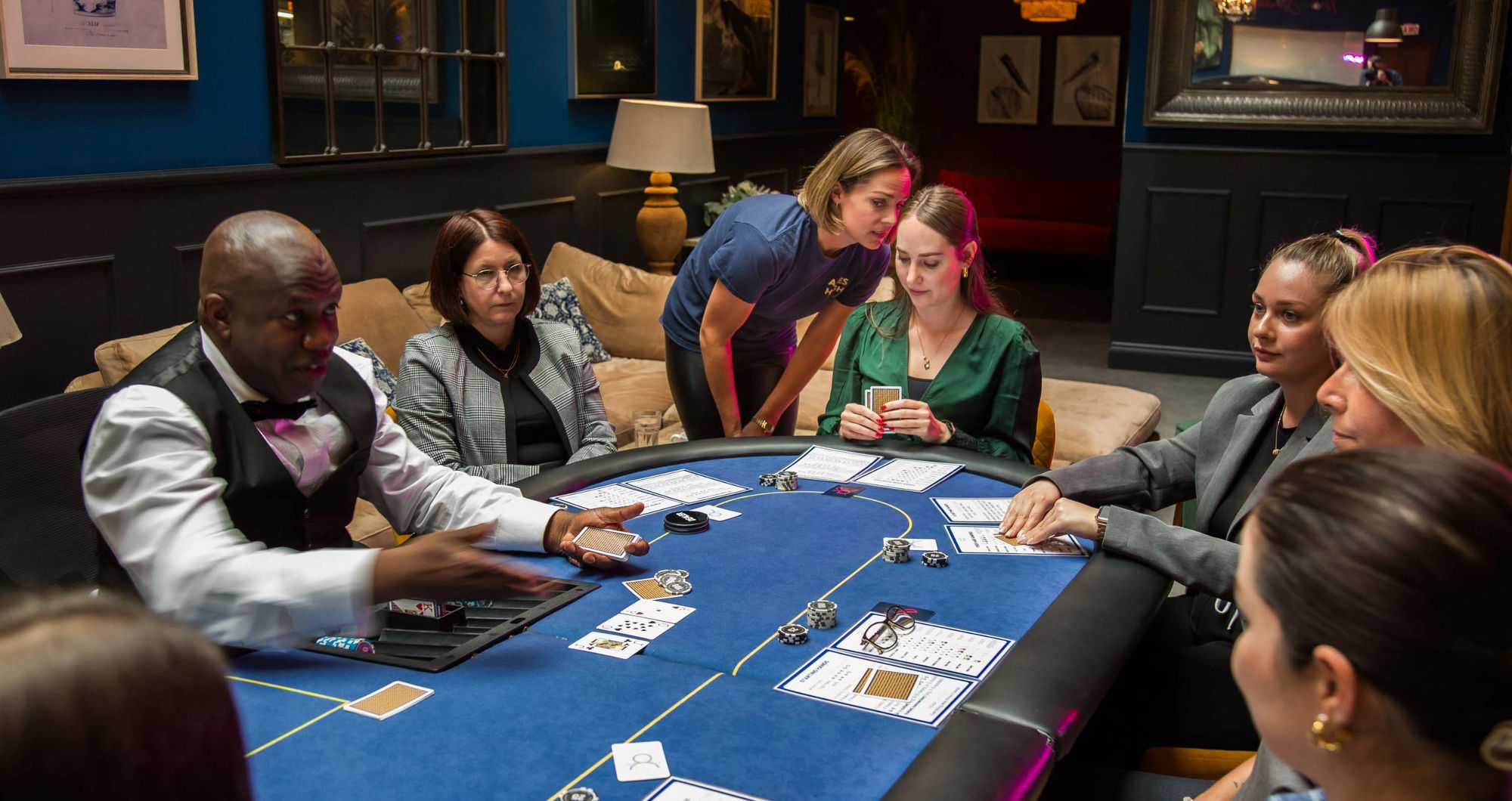

After passing out three times during an intense career in investment banking, Jo Living’s life changed during an unexpected poker tournament in Morocco. Today, she teaches business leaders how to negotiate, manage risk and make better decisions through the strategy of the game.
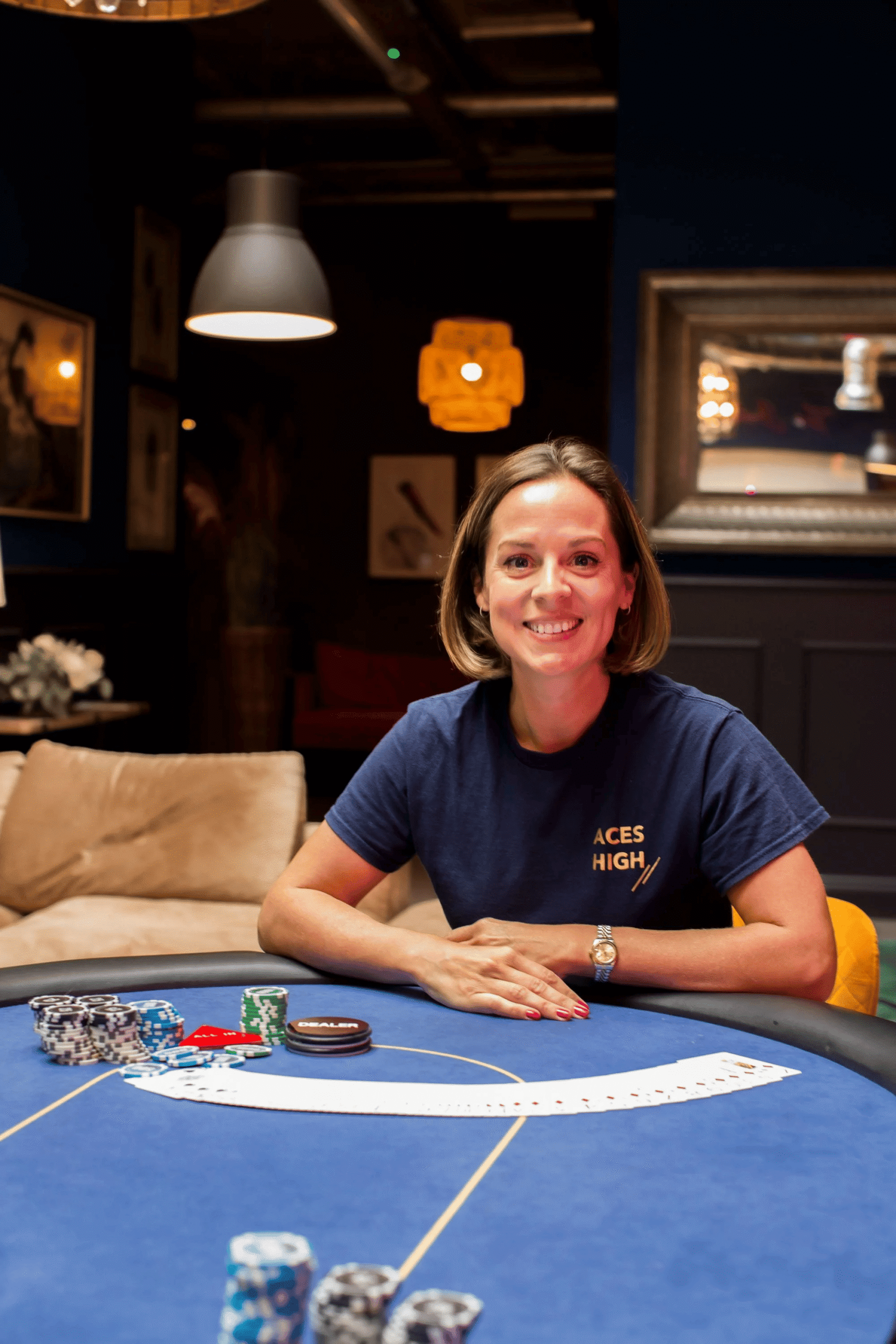
For more than a decade, Jo Living worked in the high-pressure world of investment banking. The demands of the job were so intense that, on three separate occasions, she passed out on the trading floor.
However, it was an unplanned experience thousands of miles away from the office that ultimately changed the direction of her career.
While on holiday in Morocco, Living’s partner at the time entered them into an international poker tournament on a whim. Despite being pregnant, surrounded by around 200 predominantly male competitors and having never expected to take part, she went on to win the tournament.
The experience revealed striking similarities between poker and the decisions people make in business. Both require participants to assess incomplete information, understand risk, regulate their emotions and decide when to push forward or walk away.
Living later left investment banking and moved into entrepreneurship, founding a femtech company that she built to a successful exit.
Poker remained an important part of her life. She began teaching female friends how to play, and many reported feeling more confident, assertive and comfortable making difficult decisions at work.
These experiences eventually inspired Living to launch Aces High, a strategy-led corporate training business that teaches executives and teams negotiation, communication and decision-making skills through poker.
Jo said,
“Aces High was born out of personal experience – seeing first hand how poker strategy helped me raise investment and navigate business risk. Just 1 year in, we have top investment managers asking us how they can use poker strategy to improve portfolio returns, and international law firms using Aces High to train for negotiations. We’ve even received personal endorsement from Richard Branson!”
Team-building activities have come a long way in recent years. While escape rooms, cooking classes and outdoor challenges remain popular, businesses are increasingly looking for experiences that do more than simply entertain. The most successful activities leave participants with practical skills they can take back into the workplace.
At first glance, poker might seem an unlikely choice.
A game built around individual competition, calculated risk and keeping your cards close to your chest does not immediately sound like the foundation for better teamwork. Aces High was created around the idea that the psychology and strategy behind poker can help develop practical workplace skills. Drawing on her own experience in business, Jo recognised that the decisions made around a poker table often mirror those made in professional environments, from managing risk and negotiating effectively to reading people and making confident decisions under pressure.
The idea behind Aces High is not to create expert poker players. Instead, poker provides a structured environment where participants are encouraged to think strategically, assess risk, communicate effectively and, perhaps most importantly, pay closer attention to the people around them.
Every decision made around the table requires players to work with incomplete information, interpret behaviour and decide how much risk they are willing to take. These are situations that mirror everyday challenges in business, whether negotiating with a client, leading a meeting or making decisions under pressure.
By placing those situations into a game, participants are able to explore them in a relaxed environment where learning happens naturally, rather than through a traditional training session.
For businesses looking to move beyond traditional team-building activities, Aces High offers an experience that is both engaging and genuinely practical. Poker may be known as an individual game, but after spending four hours around an Aces High table, it becomes clear why it has become such an effective way of bringing people together. The cards might start the conversation, but it is the people around the table who leave the biggest impression.