
Garden rooms offer a serene escape, transforming your outdoor space into a versatile haven – they can serve as offices, gyms, recreation rooms, or art studios.
PD Garden Rooms offers a comprehensive range of bespoke garden rooms tailored to individual preferences and requirements. Our expert team provides personalised designs, high-quality materials, and professional construction services, ensuring you get the best garden room for your needs.
Collaborating with Prestige Developments, leaders in UK-wide Park Home renovations since 1991, we bring expertise and innovation to London’s garden room designs. Our partnership promises high-quality, guaranteed results, leveraging Prestige’s renowned ‘ULTIMATE’ range and a commitment to excellence honed across thousands of UK homes.
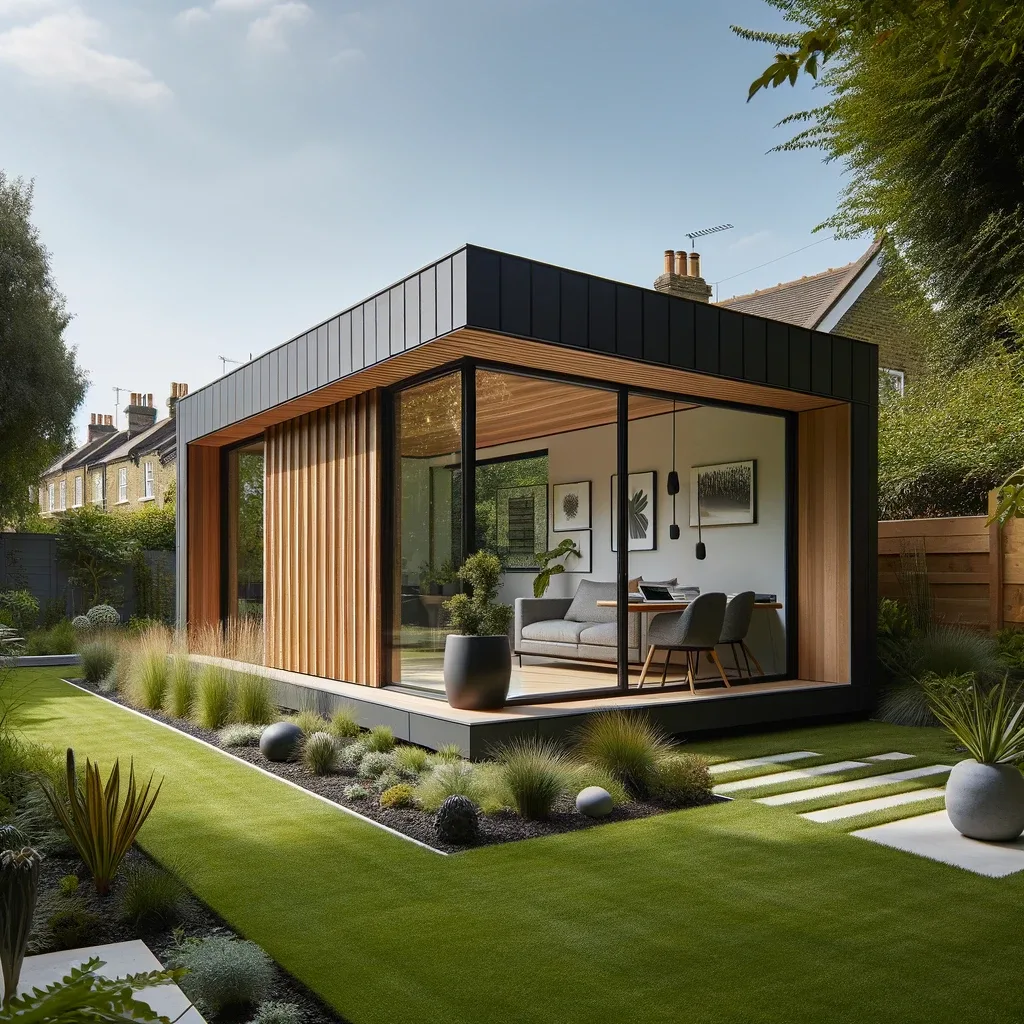
Advantages of Owning Garden Rooms in the UK
Garden rooms offer a multitude of benefits that can enhance your lifestyle, property value, and connexion with nature. Let’s explore these advantages one by one.
1. Versatility
One of the most appealing aspects of a garden room is its versatility. Imagine having a quiet, separate space to work without being disturbed or pursue your creative endeavours surrounded by inspiration from your garden. With the right design and furnishing, it can also double as a gym where you can exercise while enjoying the natural surroundings. Additionally, during leisure time, it becomes an oasis of relaxation where you can unwind in privacy. By providing this versatile extension to your home, garden rooms cater to various needs and preferences without compromising on comfort and functionality.
For instance, transforming your garden room into an art studio could be an ideal sanctuary to immerse yourself in the creative process without interruptions. Furthermore, it’s a dedicated space that allows separation between professional and personal life when used as an office. Moreover, garden rooms offer endless possibilities for personalization and customization based on individual requirements. They can be tailored to accommodate specific hobbies or activities, ensuring maximum utility for their owners.
2. Increased Property Value
Well-designed and thoughtfully constructed garden rooms can significantly enhance the appeal and value of a property. When potential buyers visit a home with a stylish garden room, they often perceive it as a valuable bonus feature. It adds an element of luxury and practicality that appeals to a wide range of people.
Consider this scenario: A couple is viewing several properties, and when they come across one with a well-appointed garden room, they immediately envision it as a potential office space for remote work or a cosy spot to enjoy their hobbies. This positive perception creates an emotional attachment to the property. To put it simply, a beautifully designed garden room can be akin to the cherry on top of an already delicious cake—adding that extra touch of allure and charm that makes the property stand out among others.
3. Connection with Nature
In our fast-paced lives, finding tranquillity and opportunities to connect with nature can be challenging. Garden rooms offer a serene environment where you can bask in natural light, enjoy picturesque views of your garden, and revel in the beauty of the outdoors throughout the year.
It’s like having your private retreat within arm’s reach—a peaceful haven where you can escape from daily stressors and relish moments of calm, all while staying close to nature.
To further elevate the tranquil ambiance of your garden retreat, consider adding a water feature. Fountains not only enhance aesthetic appeal but also introduce soothing sounds that promote relaxation. You can explore a wide selection of premium outdoor fountains at Outdoor Fountain Pros.
By embracing these advantages, you not only optimise the functionality and aesthetic appeal of your property but also cultivate an enriching lifestyle that seamlessly integrates with nature’s soothing embrace.
The benefits of owning a garden room are undoubtedly compelling; however, before making the leap into construction, understanding specific needs and design components is essential for creating the perfect outdoor space.
Needs Assessment and Design Components
When pondering the addition of a garden room to your outdoor space, two vital considerations emerge: its intended use and ensuring year-round comfort.
First and foremost, ponder what you need the garden room for. Do you seek a secluded office space, accommodation for guests, or an entertainment area? Each purpose entails distinct design requisites.
Assessing Functional Requirements
Integrating the intended use into the garden room’s design will steer you towards making informed decisions. For example, if it’s envisioned as a home office, ample electrical outlets and luminous illumination become paramount. Similar foresight applies to other roles—a guest abode might necessitate a compact bathroom, while an entertainment space could benefit from easy access to power sources.
Considering functionality upfront preemptively circumvents costly alterations later on. It’s akin to measuring twice and cutting once—meticulous planning reduces the likelihood of errors.
Designing for Comfort
While an aesthetically pleasing garden room is desirable, its utility diminishes if it becomes too frigid in winter or sweltering in summer. Ensuring proper insulation, abundant natural light, and effective ventilation are pivotal steps in fashioning a comfortable environment conducive to year-long enjoyment.
Think about windows that usher in copious sunlight during the day and provision for ceiling fans or air conditioning units for warmer climes. Adequate insulating materials in the walls and roof guarantee regulated temperatures throughout all seasons.
With the right configuration, your garden room can evolve into a snug haven regardless of external weather. Constructing your dream garden room only to find it uncomfortably warm or chilly would be disheartening. Planning these elements from the outset ensures seamless enjoyment without incessant battles against temperature extremes.
By meticulously contemplating both its purpose and essential amenities, you establish the groundwork for crafting a garden room that seamlessly harmonises with your lifestyle and integrates seamlessly into your living quarters.
With the foundational aspects of garden room assessment elucidated, it’s time to turn our attention to evaluating outdoor space for seamless structure integration.
Evaluating Outdoor Space for Structure Integration
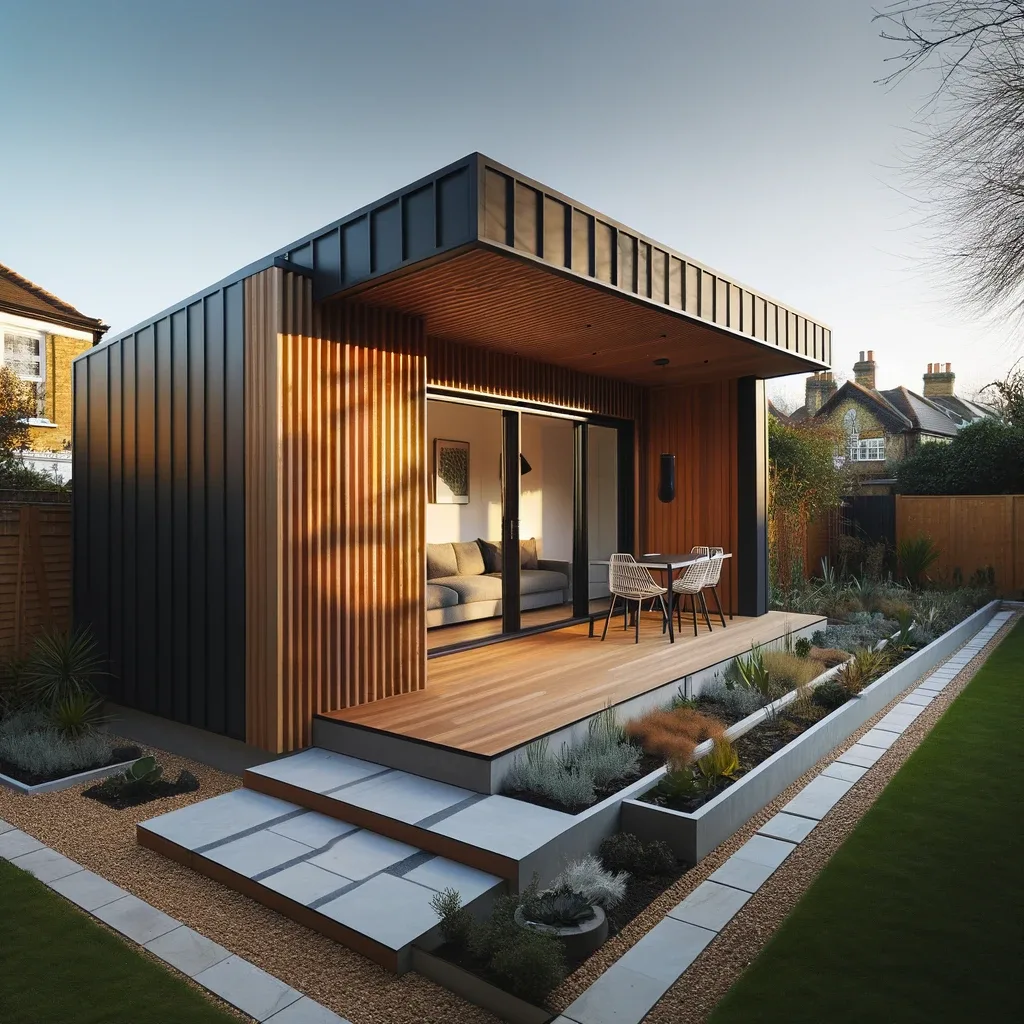
The first step in integrating a garden room into your outdoor space is to thoroughly survey your garden layout. Consider the available space, existing landscaping, and property orientation to determine the ideal location for your garden room.
Think about where the sun rises and sets, where trees provide shade, and where you typically spend time in your garden. The goal is to position your garden room in a way that maximises its usability and complements the natural flow of your outdoor environment.
Take measurements of different areas in your garden to visualise potential spots for the garden room. Moreover, contemplate how integrating the garden room will affect the overall aesthetics and functionality of your outdoor space. This assessment can help you make an informed decision about placement.
Considering Planning Regulations
The next crucial consideration is checking local regulations and planning permissions before proceeding with the integration of a garden room. Ensuring compliance with legal requirements not only prevents potential issues but also provides peace of mind regarding the placement of the structure.
It’s essential to familiarise yourself with any zoning restrictions, building codes, or neighbourhood covenants that may impact the placement and design of your garden room. These regulations often dictate factors such as setbacks from property lines, maximum height allowances, and additional considerations for structures in designated conservation areas.
By proactively addressing these regulatory considerations, you can avoid costly alterations or legal complications after construction has begun. Engaging with local authorities or seeking professional guidance can provide invaluable clarity on how to navigate planning regulations effectively.
Understanding how to navigate planning regulations ensures that you integrate your garden room seamlessly while adhering to legal requirements, setting the stage for a harmonious addition to your outdoor space.
Build-or-Buy: What’s the Best Option?
So, you’ve made the decision to get yourself a beautiful garden room. The big question now is: should you build it yourself or hire professionals to do it for you? There are pros and cons to both, so let’s take a look at your options.
DIY vs Professional Installation
If you’re confident in your DIY skills and don’t mind getting your hands dirty – or frequently washed, rather – then building the garden room yourself can be a fulfilling project. Not only will you save money on labour costs, but you also get to put your personal touch on every aspect of its construction. However, bear in mind that this approach requires careful attention to building codes and quality standards to ensure it’s structurally sound and safe. On the other hand, professional installation may come with a higher initial cost, but it offers peace of mind knowing that experts are handling the design, construction, and compliance with regulations.
For some, building their own garden room is a dream come true; for others, it could end up being more trouble than it’s worth. Like anything else in life, it has its rewards and its challenges. It’s important to weigh up your confidence, expertise, free time, and budget before making a choice.
Customization and Design Control
Moving on to customization and design control – this is where buying from a reputable provider truly shines. Choosing bespoke garden rooms allows you to tailor the design according to your unique requirements. You have control over materials used and can ensure only high-quality components are utilised in the construction process. This level of personalization just isn’t possible if you opt for DIY construction unless you have access to professional-grade materials and design expertise.
When it comes down to it, working with professionals who specialise in creating custom garden rooms ensures that every detail is catered to your needs. Rather than compromising design or quality due to limitations in resources or expertise, entrusting this task to experienced providers can result in a space perfectly suited to your vision.
In making this pivotal decision about constructing your perfect outdoor retreat, considering various elements becomes paramount. Next up, we explore the importance of natural materials and insulation in creating an ideal garden room.
Natural Materials and Insulation Importance
When creating a garden room, the choice of building materials and insulation plays a crucial role in shaping both the aesthetic appeal and the functionality of your space. Choosing eco-friendly and sustainable materials not only aligns with environmental consciousness but also contributes to a greener footprint. It’s not just about making a space look good; it’s about how it interacts with its surroundings.
Opting for wood and other natural materials can help reduce the environmental impact associated with construction. These materials are renewable, energy-efficient, and emit fewer pollutants during production. By prioritising sustainability in material selection, you’re not just creating an inviting outdoor space, but you’re also making a positive contribution to the environment.
For instance, using timber sourced from responsibly managed forests is a sustainable choice that reduces reliance on non-renewable resources. Additionally, natural materials like wood have natural insulating properties that help regulate temperature, reducing the need for excessive heating or cooling.
In addition to sustainable material selection, adequate insulation is paramount to ensure year-round comfort within your garden room. Let’s explore the importance of insulation for maintaining a pleasant interior climate regardless of external weather conditions.
Insulation for Year-Round Comfort
Proper insulation serves as a shield against extreme temperatures, ensuring that your garden room remains comfortable regardless of whether it’s sweltering hot or freezing cold outside. Double-glazed windows and insulated walls play a pivotal role in maintaining a consistent interior temperature while reducing energy consumption.
During warmer months, an effectively insulated garden room prevents excessive heat from seeping in, offering a cool sanctuary away from the scorching sun. Similarly, in colder seasons, robust insulation helps retain warmth, creating a cosy haven amid chilly weather.
Imagine sitting in your garden room on a balmy summer afternoon, enjoying the tranquil ambience without feeling overheated due to the well-insulated walls and double-glazed windows deflecting excess heat. Then picture the comfort of curling up with a book on a crisp winter day, relishing the toasty atmosphere nurtured by effective insulation.
The thoughtful selection of natural and sustainable materials, coupled with meticulous attention to insulation, ensures that your garden room offers an inviting and comfortable retreat throughout the year. This culminates in a harmonious blend of environmental conscientiousness and functional design ingenuity. In ensuring the perfect environment within your garden room, there’s another aspect to consider—the diversification of its functionality through carefully curated interior features.
Interior Features Diversifying Functionality
Imagine stepping into your garden room. It’s not just a space; it’s a versatile hub for countless enjoyable activities and a retreat from the world outside. To truly complement this multi-purpose atmosphere, it’s essential to consider how to furnish and equip it for maximum comfort, convenience, and enjoyment.
Multi-Purpose Furnishing
One of the main factors that make a garden room so appealing is its potential for versatility. To achieve this, consider adaptable furniture and storage solutions. For instance, fold-away tables or desks can be invaluable for creating workspace when needed without encroaching upon your relaxation area. Additionally, modular seating that can be rearranged easily lets you tailor the space to different activities or larger gatherings. Storage units that integrate seamlessly with the design can keep the space organised while minimising clutter.
A well-chosen rug can also help demarcate specific areas of use. Versatility should not come at the expense of cosiness; opt for plush rugs and cushions that provide relaxation and warmth while contributing to the room’s functionality.
Technology Integration
Further enhancing the usability and comfort of your garden room involves integrating technology. Incorporating Wi-Fi ensures seamless communication and entertainment options, allowing you to create a Wi-Fi-enabled workspace or unwind with leisure activities like streaming music or movies.
When it comes to lighting controls, consider installing dimmable lights to effortlessly transition between various moods and scenarios. Advanced lighting systems can also provide energy-efficient solutions, aligning with sustainable practises often valued in garden rooms.
Entertainment systems provide an extra layer of comfort and enjoyment. Whether it’s a cosy movie night or unwinding with your favourite TV show, integrating these systems adds a modern touch while enhancing the ambience of your garden room.
By meticulously considering these interior features and their complementary integration within your garden room, you’ll transform it into a place where practicality meets pleasure, offering an inviting space tailored to your every need.
Now that we’ve explored the interior features that diversify functionality within garden rooms, let’s discover what unique traits these spaces can boast.
Unique Traits That a Garden Room Can Boast
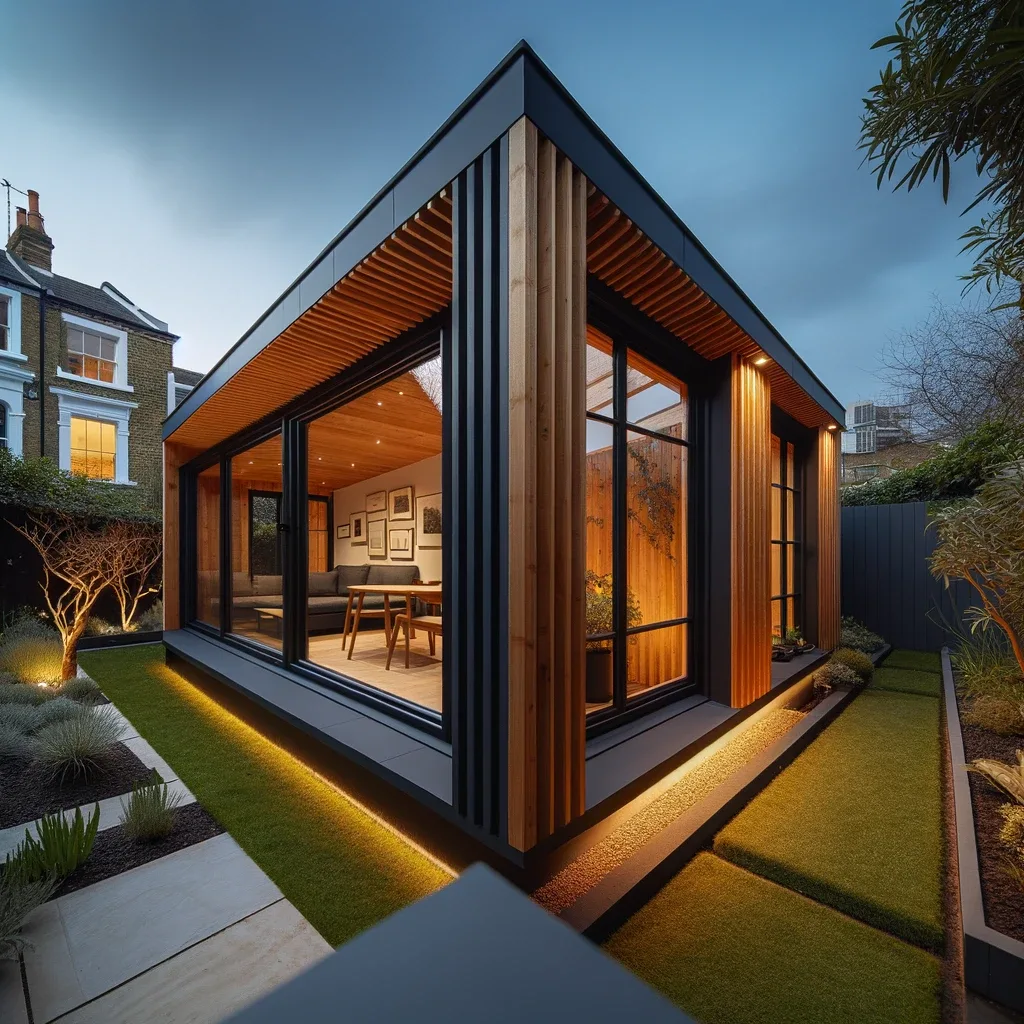
Garden rooms are not just four walls and a roof; they are an extension of your living space where the possibilities are as broad as your imagination. Let’s explore the characteristics that make them truly special.
Personalised Aesthetics
When it comes to bespoke garden rooms, there’s no one-size-fits-all approach. Each design is tailored to individual preferences, architectural styles, and landscaping to seamlessly blend with the surroundings. This means you have the freedom to embrace the rustic charm of weathered wood or opt for a sleek, modern look with clean lines and polished surfaces.
An array of customization options allows you to match the aesthetic of your home or create a standout feature in your garden that embodies your personal style. Whether you’re looking for a peaceful retreat immersed in nature or a functional workspace that inspires productivity, personalised aesthetics ensure that your garden room reflects your vision and personality.
Custom Additions
What truly sets garden rooms apart is their flexibility when it comes to custom additions. From integrated planters and living walls to bespoke cabins and attached verandas, these spaces can be enriched with unique features that reflect the owner’s personality and lifestyle.
Imagine stepping into your garden room and being greeted by lush greenery that not only enhances the visual appeal but also promotes a calming ambiance. Living walls not only provide a fresh touch of nature but also improve air quality, creating a healthier and more inviting environment. Integrating planters allows for the addition of seasonal flora, infusing colour and fragrance into the space year-round. Furthermore, bespoke cabins can be designed to serve specific purposes, whether as an art studio, meditation space, or guest accommodation.
By incorporating custom additions, garden rooms transcend conventional expectations, offering a canvas for creativity and personalization that seamlessly integrates with your outdoor landscape while enhancing your lifestyle.
Ready to create your perfect outdoor haven? Contact us for a bespoke quote or call on 01933 443607.