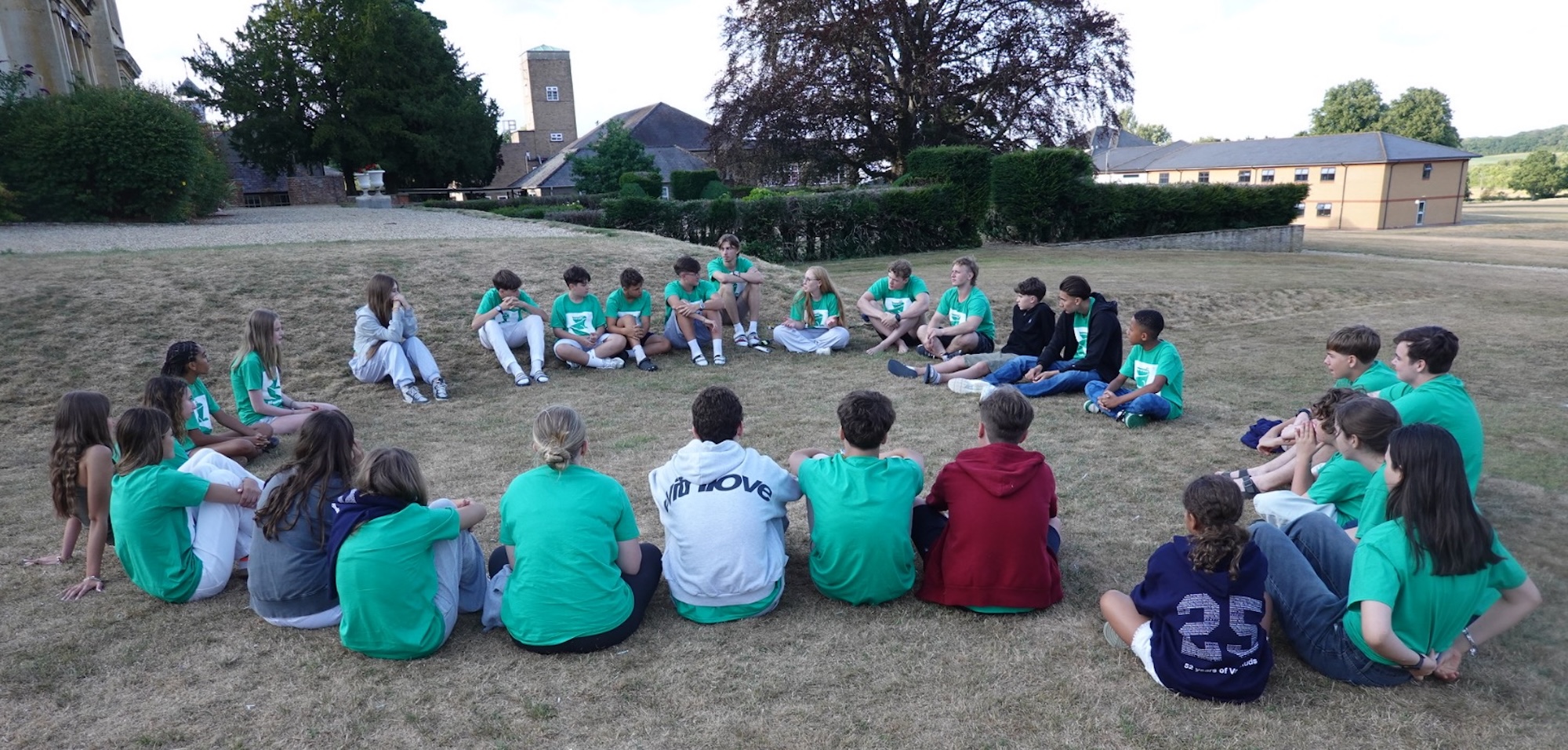

The best way to prepare a teenager for a first residential course abroad is to start early, talk through what a normal day looks like, and sort out practical details well before departure. A little planning eases nerves for both of you. Providers such as Vacational Studies run residential English courses for young learners, and the advice below applies to most of them.
Start With an Honest Conversation
Ask your child how they feel about going. Some young learners are excited, while others worry about food, bedtime or making friends. Listen first, and do not rush to fix every concern.
Once you know what is on their mind, you can tackle each worry in turn. Many fears shrink when they are spoken aloud.
Explain the Daily Rhythm
Knowing what to expect makes a new place feel less strange. Most residential English courses follow a simple pattern. Mornings are given to classroom lessons, afternoons to sports and activities, and evenings to social events.
Walk your child through that pattern. Tell them that lessons come first, that free time is built in, and that staff are on hand throughout the day. A clear picture of the timetable helps them settle faster.
Check the Practical Details
Look at the travel plan together. Find out where the school is, how long the journey takes from the airport, and who will meet your child on arrival. A site close to a major airport can keep journeys shorter.
Make a list of documents and items to pack. Passports, visas where needed, medical information and emergency contact numbers all matter. Pack light, label clothing, and include a few comforts from home.
Look at Accreditation and Membership
Before booking, check who stands behind the course. In England, the British Council inspects and accredits English language teaching centres. English UK is a national association for the sector, and membership signals that a centre follows agreed standards.
These checks take only a few minutes. They give you a neutral way to compare courses, and they show whether a provider is open to outside scrutiny.
Think About Pastoral Care
Away from home, young people need someone to turn to. Ask who looks after students in the evenings and at night. Find out how staff handle homesickness, illness and friendship troubles.
Good providers will answer these questions plainly. You should also ask how you can reach your child, and how often you can expect an update.
Set Gentle Learning Goals
Agree a few simple aims before your child leaves. These might be speaking up in class, chatting with students from other countries, or ordering food in English. Small goals feel easier to reach than a vague wish to improve.
Some courses also offer a recognised speaking test. The Trinity College London Graded Examination in Spoken English (GESE) is one example. It gives students a clear target and a certificate to show for their effort.
Encourage Them to Join In
Friendships form fastest when children take part. Encourage your child to try a sport they have not played, or to sit with someone new at meals. Themed evenings and clubs give shy students an easy way to start talking.
Remind them that nearly everyone feels nervous on day one. By the end of the first week, most have found their feet.
Staying in Touch Without Hovering
Agree a calling pattern before they go. A short message every few days often works better than daily calls, which can stir up homesickness. Let your child lead the conversation, and ask open questions about what they enjoyed.
If a worry does come up, contact the course staff rather than reacting alone. They see how your child is doing from one hour to the next, and they can often settle a problem quickly.
When They Come Home
Give your child time to rest and share stories at their own pace. They may return with new friends, new phrases and a little more confidence. Ask them what they would do differently next time, and what they would like to keep up.
Encourage them to carry on using English in small ways, such as films, books or messages to friends made on the course. Those habits help the progress last long after the suitcases are unpacked.