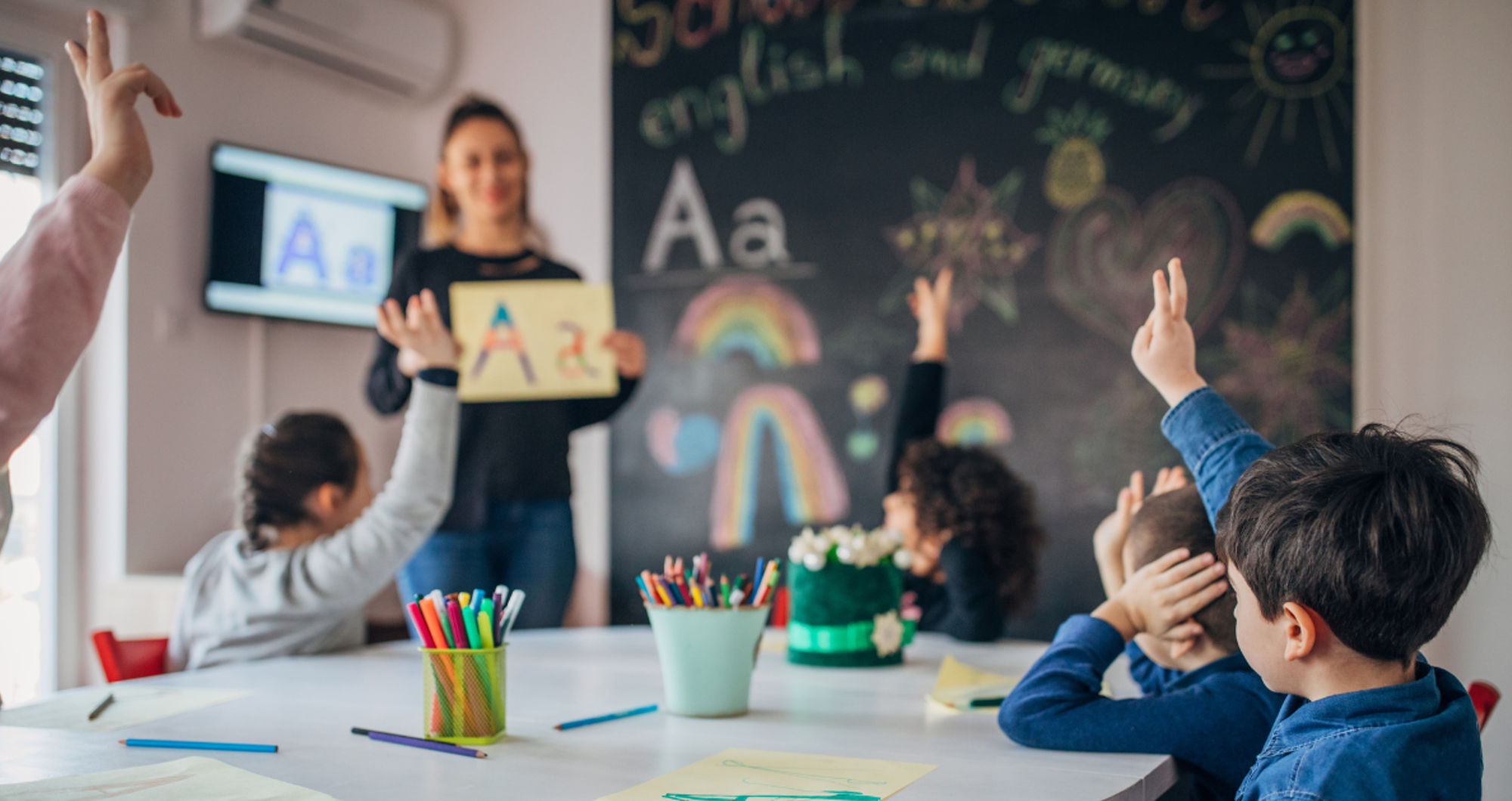

Classrooms are forced to change because the children inside them are moving at an altogether different speed. Generation Alpha (born between 2010 and 2024) did not just discover technology. They were born right into a world of touchscreens and personalised feeds. To them, having instant answers at their fingertips isn’t a bonus. It simply feels natural to them.
This reality is showing up in the data. A recent report reveals that 70% of children between seven and fourteen already own a tablet. On top of that, 68% of them are on YouTube every single day. These habits do way more than just entertain. They are altering how these kids absorb and engage with new ideas.
Because of this, the conventional way of teaching often feels out of sync with what these generations expect. Traditional and rigid models can’t always keep pace with their digital instincts. Younger learners now prefer lessons that feel interactive, visual, and personal.
Understanding What “Flexible Learning” Means Today
Flexible learning provides students with genuine agency regarding their educational approach. It departs from the traditional model where every learner must occupy the same physical space at a fixed time, opting instead for a structure that integrates with a student’s actual life and schedule.
This framework often incorporates hybrid environments and on-demand instruction. It may include mobile apps for targeted learning or programs that connect learning at home and in school.
For instance, a student may spend some mornings on campus but handle the rest of their work digitally in the afternoon. For many, an online middle school puts forward an ideal balance. Such programs provide the interactive and personalised pathways that contemporary students require.
The objective is straightforward. It’s to increase accessibility and modify the classroom into an experience that consistently prioritises students’ needs.
The Main Factors Behind Gen Alpha’s Growing Interest in Flexible Learning
A World Shaped by Instant Connectivity
Generation Alpha does not view the internet as a separate tool. It is embedded in their daily lives. Most of these students have never known a world without instant data or smart devices. This constant access changes how they expect to learn. Waiting for a scheduled time to explore a topic often feels unnecessary.
In fact, research describes Gen Alpha as the most tech-immersed generation ever. It also points out that they naturally lean toward visual and interactive ways of learning. They are already finding their own paths to knowledge through digital platforms long before they enter a classroom. Flexible learning models simply meet them at this level. This approach respects their habit of seeking information the moment a curiosity begins.
The Normalisation of Hybrid Environments
The early educational experiences of this generation were defined by a massive shift in how we live and work. Many Gen Alpha students grew up learning through remote and hybrid classrooms. That experience changed the old belief that education only happens inside a classroom at fixed hours. They also watch their parents handle professional roles from home or on flexible schedules. They now understand that quality work does not require a traditional office structure.
To Gen Alpha, a hybrid model is not a temporary solution or a backup plan. It’s simply a practical reflection of how the contemporary world functions. This makes flexible learning feel intuitive and grounded in reality.
The Pursuit of Personal Agency
Personal choice is a core value for this generation. Almost every digital experience they interact with is customised to their interests. From the videos they watch to the games they play, the experience is always curated for the individual. They expect their education to offer that same level of control.
Flexible learning gives them the power to manage their own progress. They can slow down when a concept is difficult or move ahead once they understand the material. This autonomy is a powerful motivator for younger learners. It changes education from something that happens to them into something they lead themselves.
Preparing for an Unpredictable Future
The aim of education is changing because the workforce is changing. A recent report estimates that 85% of the jobs for 2030 have not even been invented yet. This makes the old habit of memorising static facts much less valuable.
Success now requires the ability to learn new systems and solve problems on the fly. Flexible learning environments help build these specific traits. These approaches value critical thinking far more than simple repetition. Over time, students become more adaptable and future-ready.
Conclusion
Shifting toward flexible learning is a practical response to a changing world. It keeps education connected to the natural habits of Generation Alpha. This keeps learning meaningful and practical. It also helps students feel more prepared for an uncertain future.