
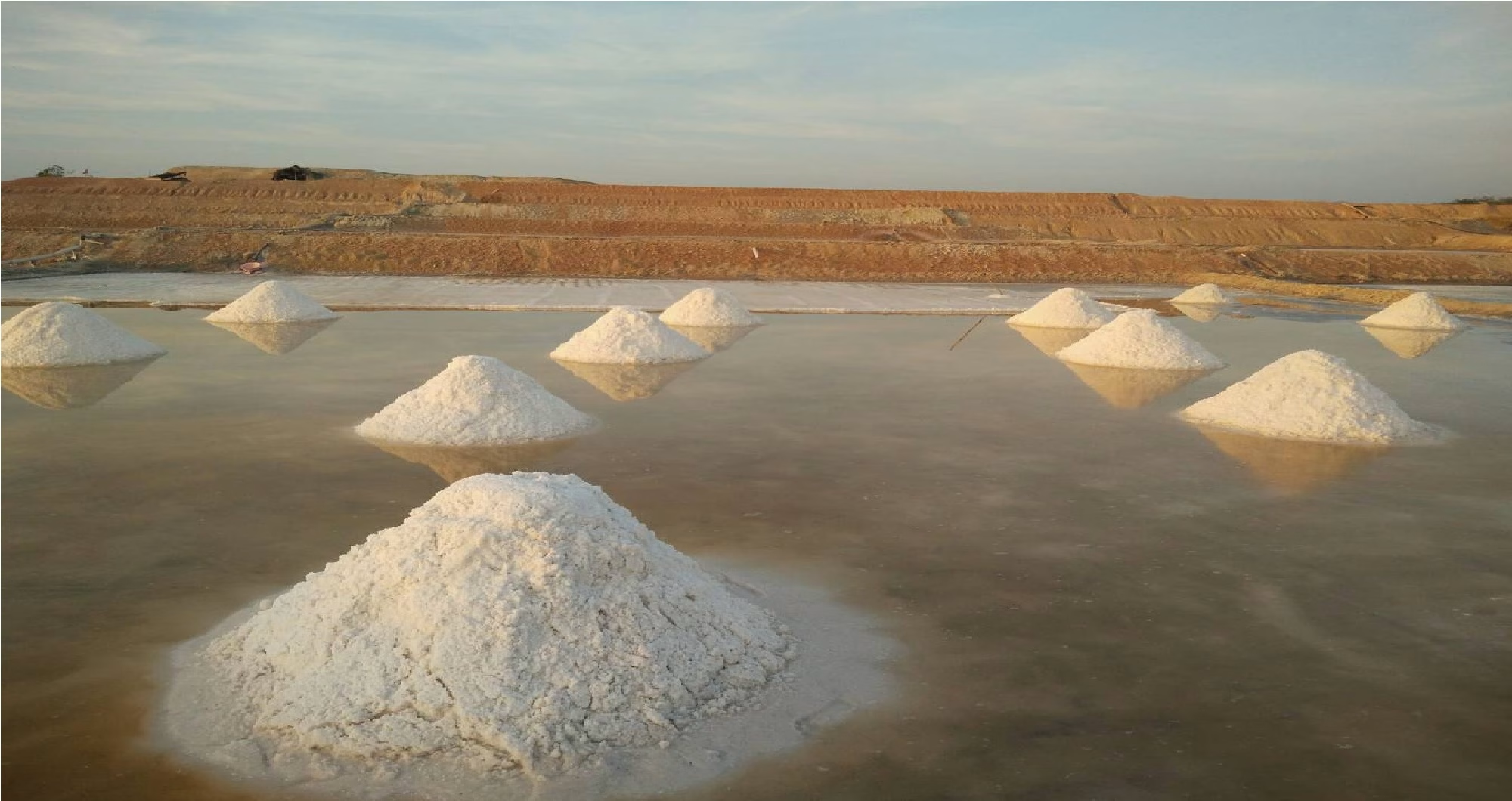

Salt has long been more than just a pantry essential. From gourmet kitchens to industrial applications, the global salt market has evolved into a diverse and dynamic industry. Today, brands and bulk buyers need to understand not only the basics of salt production but also the market shifts, consumer behaviour, and global trade developments that impact sourcing and sales.

In this guide, we explore the key trends shaping the future of salt around the world and what that means for brands looking to stay ahead.
1. A Rising Demand for Specialty and Natural Salts
Over the past decade, consumer awareness around the type and source of salt has grown significantly. More individuals are seeking unprocessed, mineral-rich options like Himalayan pink salt, sea salt, and black salt. This shift is pushing retailers, chefs, and manufacturers to rethink what kind of salts they offer. Countries like the United States, Germany, and Japan have shown a sharp uptick in demand for gourmet salts. Natural salts with trace minerals are now being seen not just as flavour enhancers, but as lifestyle products tied to wellness, clean eating, and transparency.
2. Clean Label and Ingredient Transparency
Clean-label trends have reached the salt market as well. Buyers now want to know where the salt is sourced, how it’s harvested, and whether additives like anti-caking agents are used. This demand is not only coming from individual consumers but also from food manufacturers and health-focused brands that are under pressure to disclose more about what goes into their products. Labels that indicate “raw,” “hand-harvested,” “sun-dried,” or “minimally processed” have become strong selling points in both B2B and B2C markets.
3. Sustainability and Ethical Sourcing
As sustainability becomes a core concern in the global supply chain, salt producers are being asked tougher questions. Are the methods environmentally safe? Are workers treated fairly? Are resources being depleted? Responsible sourcing is no longer a niche concept. It is becoming a core requirement for global buyers, especially in regions like Europe and North America where import regulations are tightening. Businesses that build partnerships with ethical salt suppliers are better positioned to appeal to conscious consumers.
In regions such as Pakistan, where Himalayan salt is naturally abundant, some suppliers are taking steps to follow responsible mining practices. Companies that are part of this movement are finding recognition among health and food brands that value both quality and ethics.
4. Growing Use of Salt Beyond the Kitchen
Salt is not just for seasoning anymore. The global market is expanding into wellness, spa, cosmetics, and even interior design. Products like Himalayan salt blocks for cooking and wellness are gaining global interest, alongside salt scrubs, bath soaks, and lamps. This diversification is especially beneficial for suppliers and exporters who can offer product variations beyond edible salt. As more buyers look for multi-category product lines, producers that can meet demand across culinary and wellness segments gain a competitive edge.
5. Digital Presence Matters More Than Ever
With the surge in digital B2B marketplaces and online wholesale platforms, salt exporters and producers are investing in strong online visibility. Buyers today begin their supplier search online, whether through trade directories, product review sites, or SEO-optimised websites. Distributors that share detailed product information, offer sample options, and maintain transparency in their pricing and logistics often get priority attention from bulk buyers.
Established industry names such as Sobaan Salts Manufacturer Company have shown how combining quality sourcing with clear communication and modern digital presence can help build lasting trade relationships globally.
6. Regional Preferences and Customisation
Different regions are seeking different kinds of salt. While gourmet chefs in France may prefer grey Celtic salt, wellness brands in the U.S. are more inclined toward Himalayan bath salts. Meanwhile, industrial buyers may prioritise large-scale production and cost efficiency. One key trend is the need for customisation. From grain size to packaging, buyers now expect flexibility. Suppliers that offer tailored options for food-grade, cosmetic-grade, and industrial-grade uses are getting more inquiries from international clients.
7. Trade Regulations and Compliance
From import duties to safety testing, compliance is an increasingly important part of doing business in the salt industry. Whether it’s food-grade certification, halal requirements, or REACH compliance for cosmetics in Europe, producers must ensure their processes align with the expectations of global markets.
Staying informed on evolving trade regulations helps both buyers and sellers reduce risks and build trust.
Conclusion
The global salt market is no longer just about bulk pricing and logistics. It is evolving into a space that values origin, transparency, sustainability, and flexibility. Buyers and brands who keep an eye on these trends and work with reliable, well-established suppliers will not only meet consumer demand but also position themselves for long-term success. Whether you are sourcing salt for gourmet applications, industrial use, or wellness products, understanding the pulse of the market is key to staying ahead.







