
Walk-in showers have become a staple of contemporary bathrooms, offering a clean, open feel that suits everything from compact city flats to larger family homes. But while the aesthetic is effortless, the reality can sometimes be less so. One of the most common frustrations homeowners face is water escaping the shower area and spreading across the bathroom floor.
The good news is that this is rarely down to one single issue. Splashing is usually the result of a few small design or maintenance oversights that can be easily addressed with the right approach. Bathroom experts at Plumbworld share their advice on how to prevent this issue so you can enjoy your walk-in shower, without splashing water all over the room.
Why water escapes in the first place
Unlike enclosed shower cubicles, walk-in designs are intentionally open. That openness means water has fewer barriers, so layout, drainage and positioning all play a bigger role in keeping everything contained.
In many cases, splashing happens because water is not being directed efficiently towards the drain, or because there is nothing in place to intercept spray before it reaches the bathroom floor. Even the size and shape of the shower can influence how far water travels.
Smart ways to keep your bathroom dry
1. Get the foundations right
The most effective solution often starts beneath your feet. A properly installed shower tray or wet room floor should have a subtle slope that guides water directly to the drain. Without this gradient, water can pool and spill out into the rest of the room.
If you are planning a renovation, this is one area where precision really matters. A well-designed drainage system does most of the hard work for you.
2. Add a simple glass screen
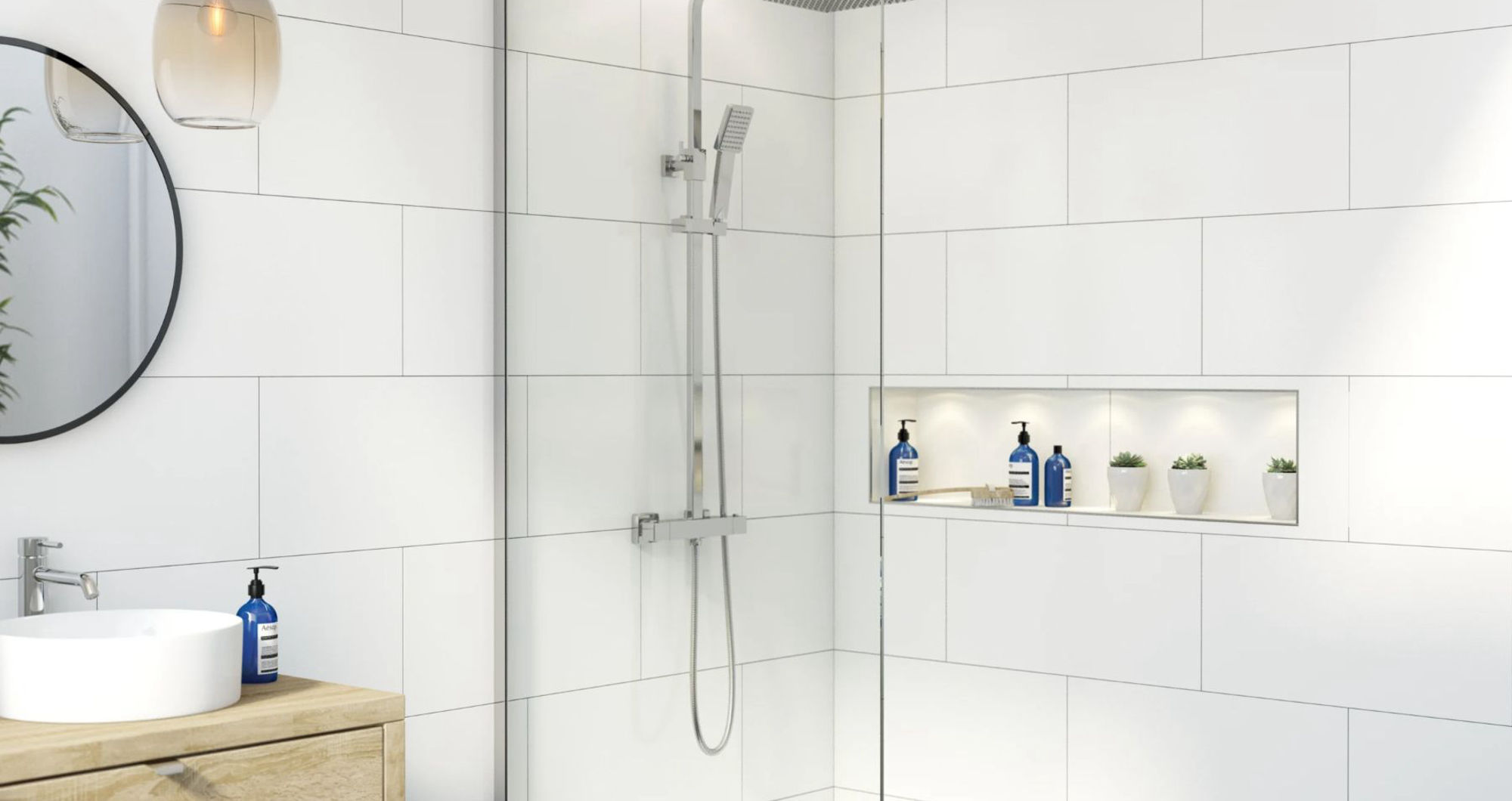
A frameless glass panel is one of the easiest ways to maintain the open look of a walk-in shower while still controlling splash. Positioned correctly, it acts as a barrier that stops water travelling too far without closing off the space.
Even a partial screen can make a noticeable difference, especially when paired with thoughtful shower positioning.
3. Think about shower head placement
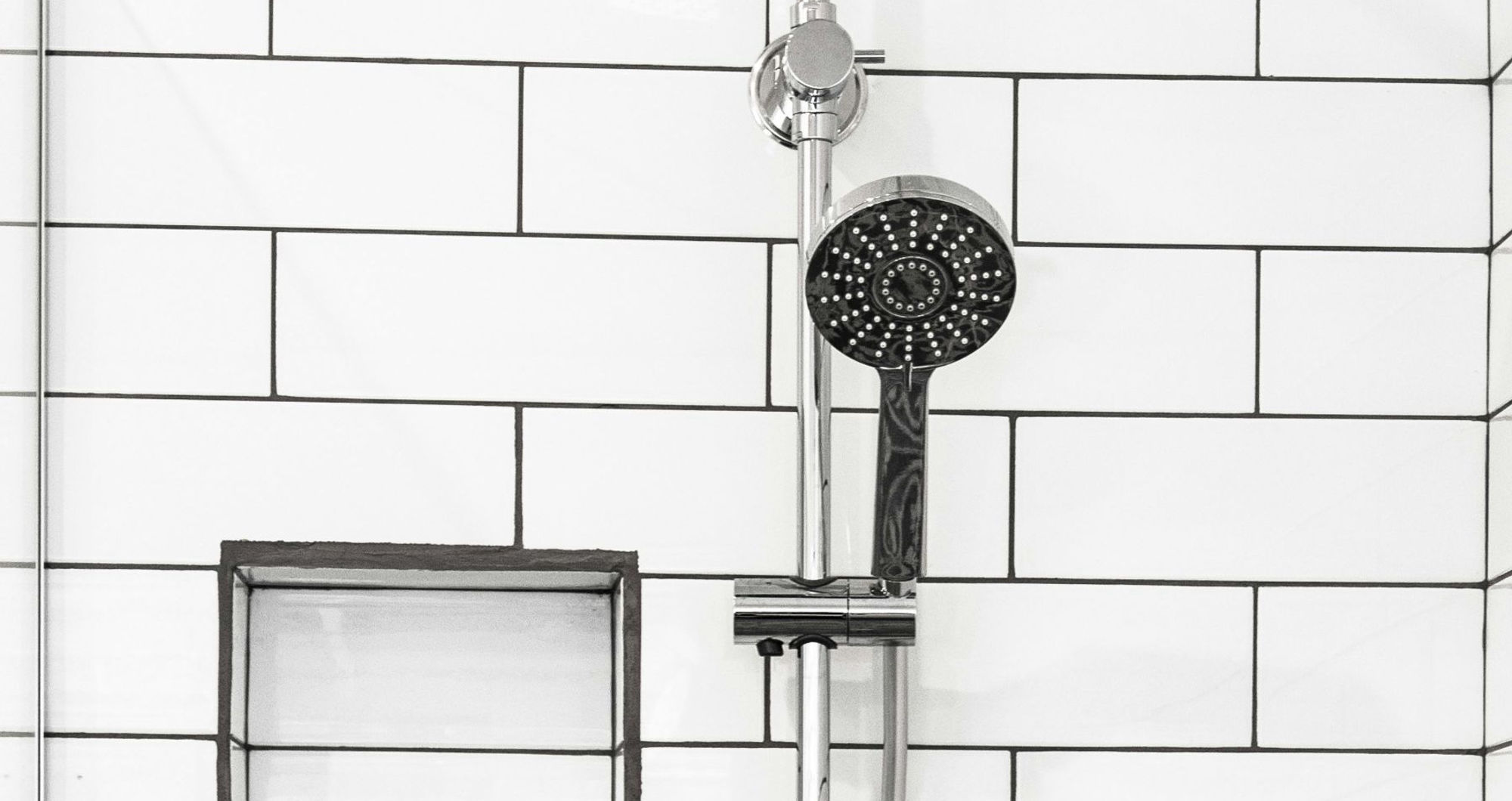
Where your shower head sits has more impact than you might expect. Ideally, it should be positioned so that water sprays away from the entrance rather than towards it.
Mounting it on the wall furthest from the opening helps keep water contained within the main showering area.

4. Consider a splash guard or subtle barrier
For smaller bathrooms or more compact layouts, discreet additions like corner splash guards can help stop water escaping at floor level. These small fittings sit where the wall meets the shower floor and act as a physical barrier to redirect water back inside.
In some designs, a low threshold or slight step can achieve a similar effect without compromising accessibility.
5. Use a curtain as a flexible option
While not always the first choice for a modern look, a weighted shower curtain can be a practical solution. It helps keep water in place while still allowing easy access and flexibility, particularly in family bathrooms.
It can also be a useful interim fix if you are planning a more permanent upgrade later.
6. Keep seals and fittings in good condition
If your walk-in shower includes any glass panels or screens, worn or poorly maintained seals can allow water to leak through gaps. Regular cleaning and occasional replacement of these components can prevent small issues from becoming bigger problems.
Designing with real life in mind
It is easy to prioritise aesthetics when designing a bathroom, but functionality should always sit alongside style. Walk-in showers often need slightly more space than enclosed options to prevent water escaping, so layout planning is key.
A balanced design considers how water moves through the space, how it drains away and how users interact with the shower day to day.
The bottom line
A walk-in shower should feel seamless, not stressful. If water is ending up where it should not be, it is usually a sign that one or two practical elements have been overlooked.
By focusing on drainage, layout and a few well-chosen additions, you can keep your bathroom dry without compromising on style. The result is a space that works just as well as it looks, which is exactly what modern living calls for.