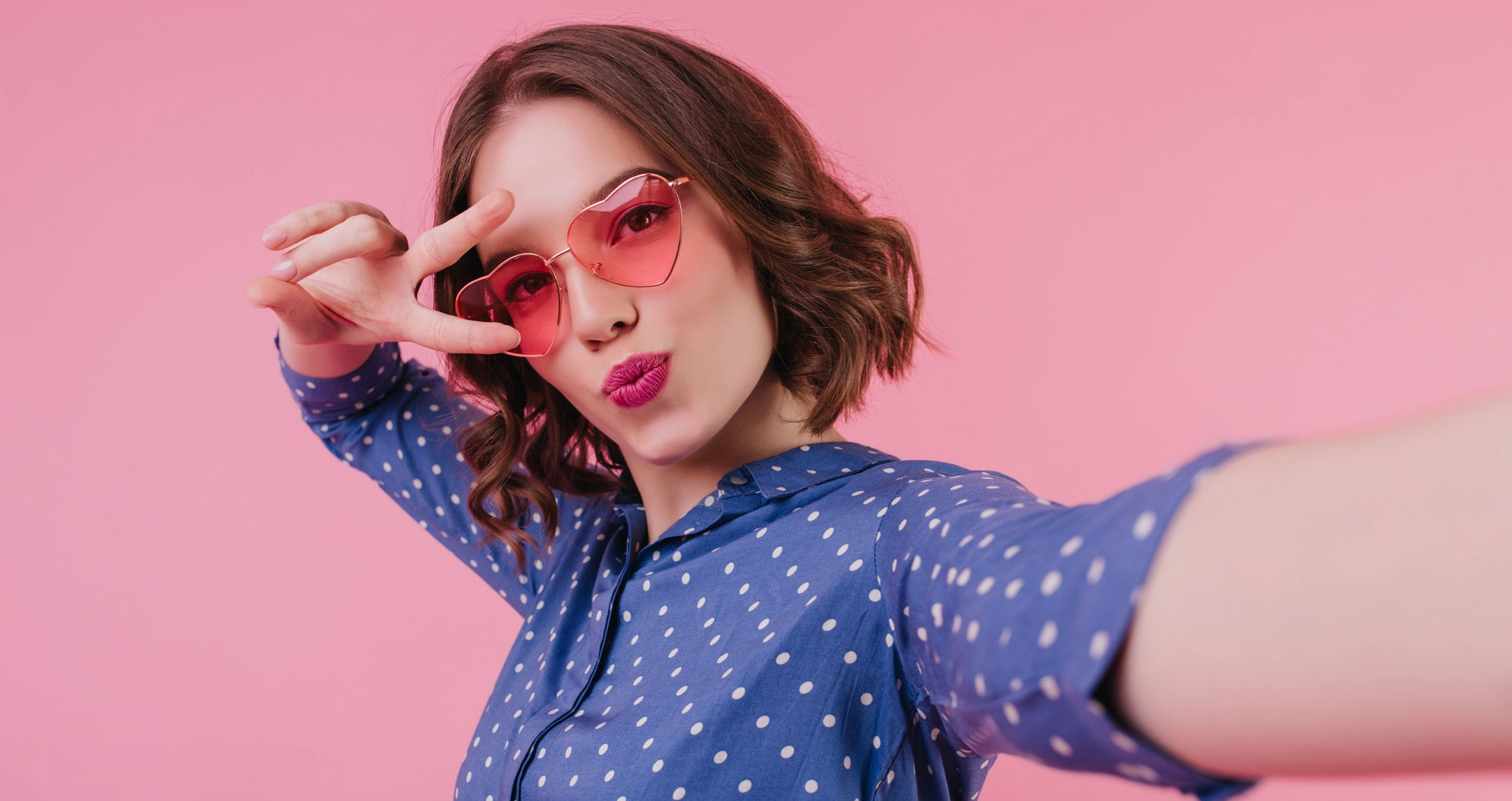

Portrait photography has always been about capturing personality, mood, and style. But in recent years, digital filters have completely transformed how people edit and share their photos. What once required professional software and hours of manual work can now be done in seconds using AI-powered tools. These tools analyse facial features, lighting, and colour tones to apply stylised effects that look polished and intentional rather than artificial or overdone.
One of the most popular trends in this space is the use of themed aesthetic filters that give photos a specific visual identity. For example, the Barbie filter has gained massive popularity for its ability to transform ordinary portrait photos into vibrant, pink-toned images that evoke a playful and glamorous style. This kind of filter does more than just add a color overlay. It adjusts skin tones, enhances brightness, softens shadows, and creates a cohesive aesthetic that feels intentional and creative. The rise of such filters reflects a broader shift in how people think about personal expression through photography.
What Makes AI Filters Different from Traditional Editing
Traditional photo editing required users to manually adjust sliders for exposure, contrast, saturation, and colour grading. While this gave editors full control, it also demanded a significant amount of skill and time. AI filters work differently. They use machine learning models trained on thousands of images to understand what a specific style should look like and then apply it automatically.
How AI Analyses Portrait Photos
When you upload a portrait photo to an AI filter tool, the system typically performs several tasks at once:
- It detects facial landmarks such as eyes, lips, and skin boundaries
- It evaluates the existing lighting and colour temperature of the image
- It applies style-specific adjustments that match the chosen aesthetic
- It blends the effect naturally so it does not look like a simple overlay
This level of analysis allows AI tools to produce results that feel much more refined than basic filter apps from a decade ago. The output looks like something a skilled editor would produce, not just a quick social media effect.
Style Consistency Across Multiple Photos
Another advantage of AI-powered filters is their ability to maintain consistency. If you are editing a series of photos for a project or social media feed, AI tools can apply the same stylistic treatment across all images. This creates a unified visual identity that is difficult to achieve manually without spending a lot of time matching settings between photos.
The Role of Colour in Portrait Aesthetics
Colour is one of the most powerful tools in visual storytelling. Different colour palettes evoke different emotions and associations. Warm tones like orange and gold suggest warmth and nostalgia. Cool blues and greens feel calm and modern. Pink tones, which are central to many popular portrait filters today, are associated with playfulness, femininity, and a certain kind of bold confidence.
The popularity of pink-themed aesthetics in photography is not just a passing trend. It connects to a larger cultural moment where people are embracing maximalist, expressive styles rather than the minimalist, desaturated looks that dominated social media in earlier years. AI filters that specialise in these aesthetics are meeting a real demand from users who want their photos to feel vibrant and personality-driven.
Practical Uses of Themed Portrait Filters
Themed portrait filters are not just for personal use. They have practical applications across several creative and professional contexts:
- Content creation: Influencers and creators use themed filters to build a recognisable visual brand across their platforms
- Event photography: Themed parties and events often use matching photo filters to create cohesive albums and shareable content
- Marketing campaigns: Brands use aesthetic filters to align product photography with seasonal or campaign-specific visual themes
- Personal projects: Individuals use filters to experiment with different visual identities and creative styles
Choosing the Right Filter for Your Portrait
Not every filter works well with every photo. The best results come from matching the filter style to the mood and setting of the original image. A bright, outdoor portrait with natural light tends to respond well to vibrant, saturated filters. Indoor photos with softer lighting may benefit from filters that enhance warmth and glow without oversaturating the image.
It is also worth considering the subject’s skin tone and clothing when choosing a filter. Some colour-heavy filters can clash with certain tones, while others enhance them beautifully. Most AI tools allow users to preview the effect before applying it, which makes it easy to experiment and find the best match.
Conclusion
AI-powered portrait filters have made high-quality photo editing accessible to everyone, regardless of technical skill. From subtle enhancements to bold aesthetic transformations, these tools give users the ability to express their creativity quickly and effectively. As AI technology continues to improve, the results will only become more sophisticated, opening up even more possibilities for personal and professional portrait photography.