
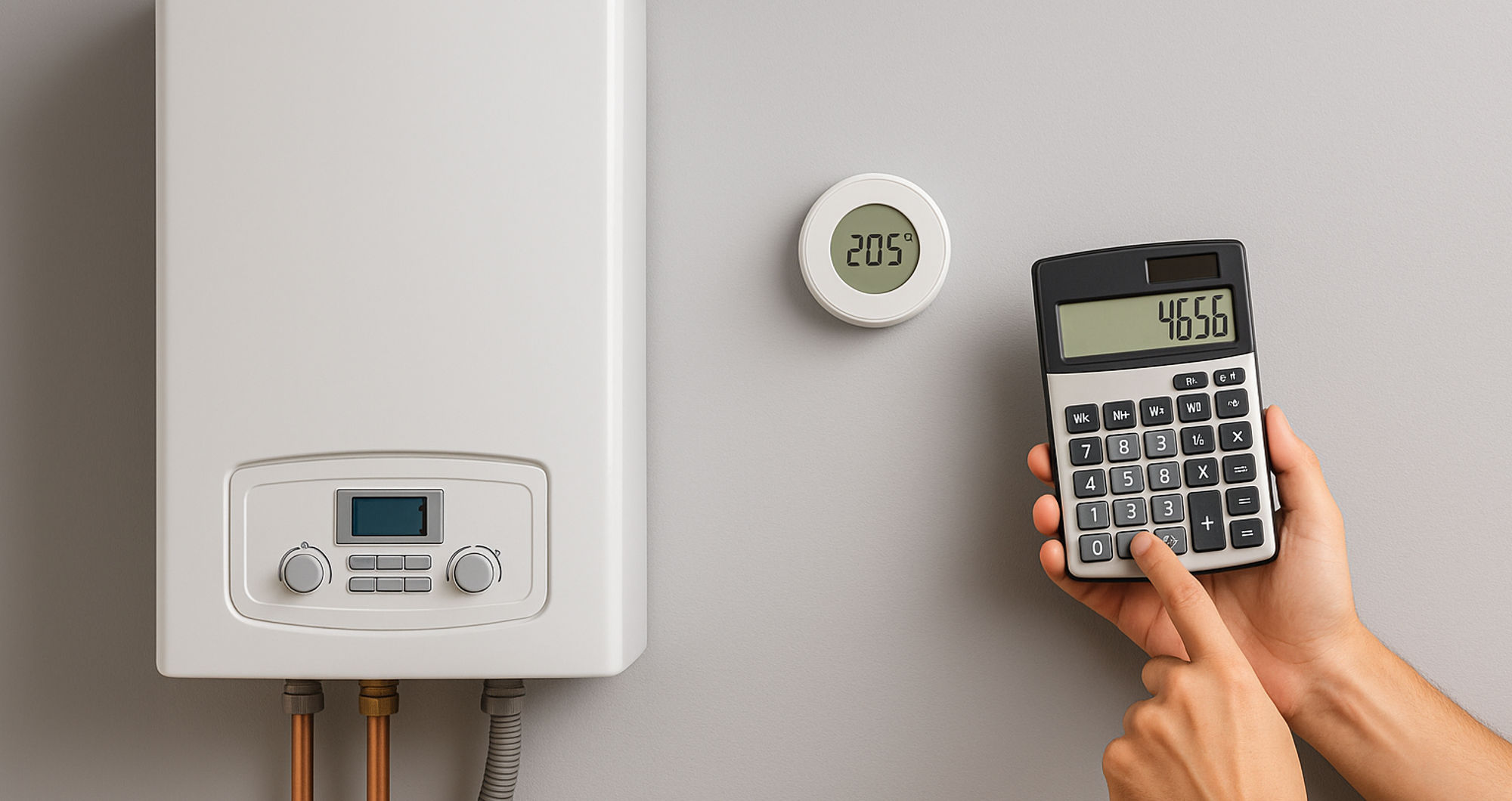

As colder weather returns and repair costs rise, more UK households are re-evaluating the role of boiler cover as part of their winter budgeting strategy.
With average boiler repair costs now exceeding £300, it’s no surprise that demand for affordable protection is climbing. In the past, boiler breakdown cover was often viewed as a niche extra — something only homeowners with older systems needed. But in 2025, with energy bills still volatile and household budgets tight, it’s fast becoming an everyday essential.
Heating accounts for more than half of an average home’s energy use. A single mid-winter breakdown can leave families without heating or hot water for days, particularly when engineers face seasonal backlogs. For many, securing protection before temperatures drop is now part of routine home planning.
“We’re seeing a noticeable shift in attitudes,” said Andrea Troy, spokesperson for Free Price Compare.
“Households are treating boiler cover the way they treat car or travel insurance — as a small monthly cost that prevents a large, unexpected one later.”
The cost of being unprepared

While modern boilers are designed for efficiency, they remain complex systems prone to wear and tear. Parts shortages and labour costs have pushed up repair prices over the past two years. A simple fan replacement can cost £250–£350, while major faults can exceed £600 once call-out and diagnostic fees are added.
As a result, many homeowners are choosing to compare boiler cover plans before winter. Unlike ad-hoc repair services, most policies include 24/7 helplines, access to approved engineers, and, in some cases, annual servicing — helping catch small issues before they become serious faults.
Service quality varies widely, however, and not every plan offers the same level of protection. Some cover boiler and controls only, while others extend to radiators, pipework, and even plumbing emergencies.
Understanding your options
There are now dozens of providers offering boiler care packages, ranging from single-appliance protection to fully comprehensive home-maintenance plans. The right option depends on the age of the boiler, household size, and the level of cover required.
Typically, consumers can choose between:
- Basic boiler-only cover — protects against breakdowns and emergency repairs.
- Boiler and heating system cover — includes radiators, pumps, and valves.
- Full home emergency cover — extends protection to plumbing, drains, and electrics.
While premium plans offer more comprehensive support, households with newer boilers may find lighter coverage more cost-effective. The key is matching policy terms to actual risk — and reading the small print for exclusions such as scale build-up or pre-existing faults.
Central-heating protection and efficiency
Demand is also rising for boiler cover and central heating cover packages. These policies go beyond boiler components to include thermostats and heating controls — areas that often cause system failures.
Central-heating faults can be particularly disruptive, and repairing them independently can be costly. Engineers report that clogged pipework, faulty diverter valves, and airlocks are among the most common winter call-outs — issues typically included in higher-tier cover options.
Some newer policies even integrate smart technology, allowing insurers to monitor boiler performance remotely and detect issues early. This proactive approach aims to reduce downtime and long-term maintenance costs while improving energy efficiency.
Comparing overall home costs
For households reviewing their winter budgets, boiler care is just one part of the picture. Energy costs remain high by historical standards, and tariff selection can significantly affect monthly outgoings.
Platforms that allow consumers to compare energy prices alongside boiler cover options help create a fuller view of household spending — balancing fixed cover costs with variable energy usage. This joined-up approach enables households to plan more effectively and avoid surprises when bills arrive.
Andrea Troy noted that better planning is becoming second nature for many families:
“People want predictability. Combining energy-price comparison with sensible boiler cover gives them that balance between control and comfort.”
Transparency and maintenance
The growth of boiler-care providers has made comparison essential before committing. With tariffs, exclusions, and excess fees varying significantly, transparency helps households find suitable protection without duplication or overspend.
Many energy suppliers now offer bundled boiler-care options, but independent policies can sometimes provide more flexible terms or lower call-out fees. The Competition and Markets Authority has emphasised the value of like-for-like comparison across essential services — ensuring consumers understand what’s covered and what’s not.
Beyond financial protection, regular servicing remains one of the most effective ways to maintain efficiency and reduce emissions. A well-maintained boiler can use up to 10% less energy, saving both money and carbon over its lifetime. That preventive benefit is increasingly what drives sign-ups.
Troy added:
“Boiler cover has evolved from emergency insurance into proactive maintenance. For most households, it’s not just about peace of mind — it’s about managing performance, cost, and reliability all year round.”







