

Britain’s high streets continue to evolve as independent retailers compete with online shopping, rising operating costs and changing consumer habits. For many small businesses, attracting customers is no longer simply about offering the right products. It is about creating a shopping experience that gives people a reason to walk through the door in the first place.
While larger retailers often have sizeable marketing budgets, smaller businesses are increasingly focusing on practical investments that improve both customer engagement and day-to-day operations rather than expensive advertising campaigns.
Creating a Reason to Stop
One of the biggest challenges facing physical retailers is capturing attention.
Walk through almost any shopping district, and many storefronts begin to look remarkably similar. Printed sale posters, vinyl window graphics and promotional banners have become so common that many shoppers barely notice them.
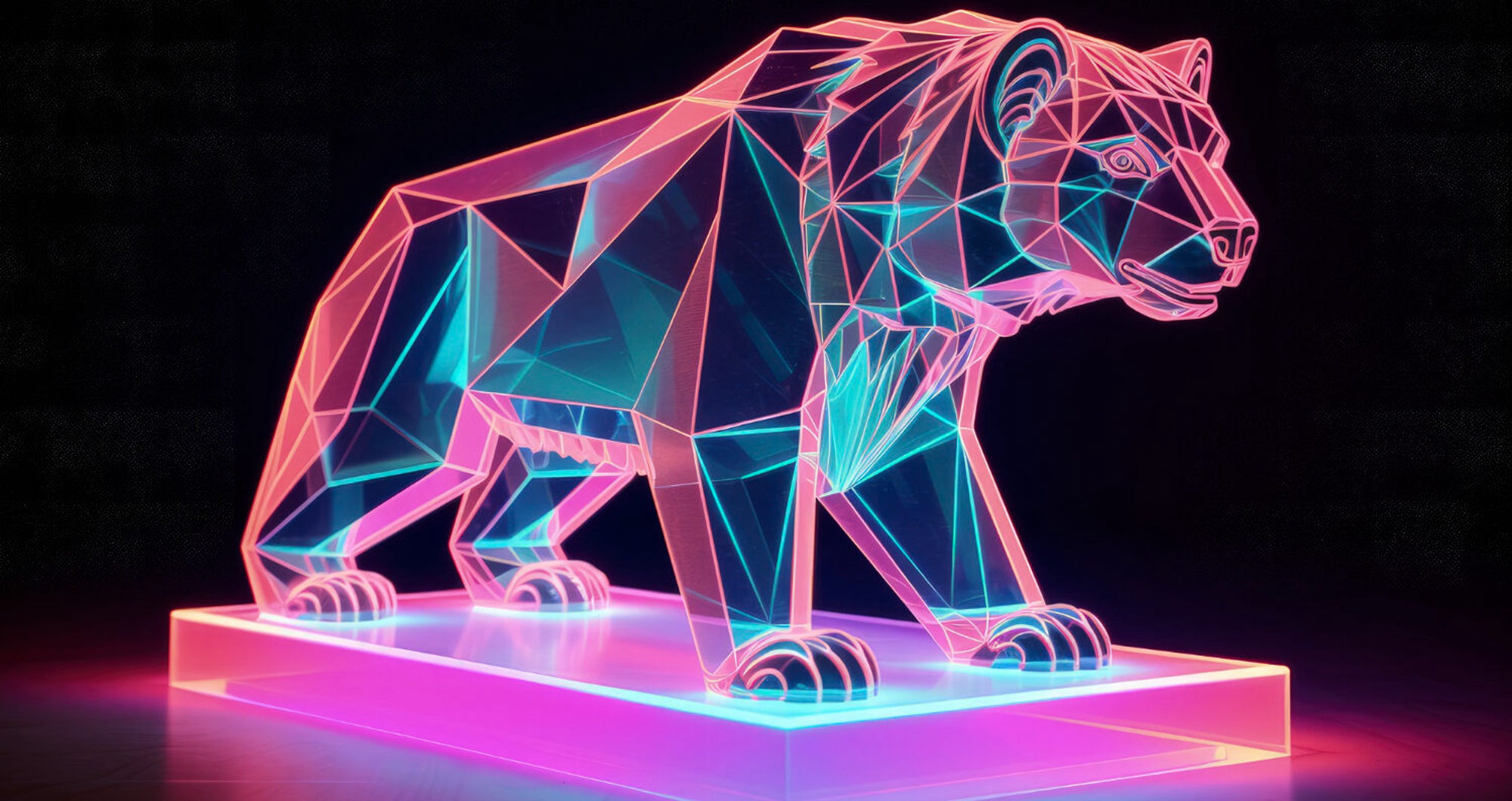
To address this, some independent retailers are experimenting with more dynamic digital displays that create movement and visual interest without requiring major shopfront renovations.
One example is the use of 3D hologram fan displays, which use rotating LED technology to create the illusion of floating three-dimensional images that can be viewed without special glasses. The displays have become increasingly visible not only in retail stores, but also at exhibitions, visitor attractions, healthcare facilities and educational environments where attracting attention quickly is important.
Rather than replacing traditional signage altogether, these technologies are being used to encourage passers-by to pause long enough to notice what a business offers.
Keeping Operations Running Smoothly
Attracting customers is only part of the challenge.
Independent retailers often operate with smaller teams, meaning employees regularly switch between serving customers, processing payments, checking inventory and answering calls throughout the day.
Reliable equipment has therefore become just as important as customer-facing marketing.
Many businesses now rely heavily on smartphones for payment processing, stock management and communication. Protecting those devices from everyday drops and keeping them easily accessible can help minimise interruptions during busy trading periods.
Accessories such as magnetic phone grips and mounting systems, including those offered by Griplux, are designed to improve usability while reducing the risk of accidental damage. Although relatively small purchases, they reflect a broader trend of retailers investing in practical tools that support efficiency behind the scenes.
Small Investments Can Deliver Bigger Impact
Independent retailers rarely have the resources to overhaul every aspect of their business at once.
Instead, many focus on targeted improvements that address specific challenges. A more engaging shopfront may encourage additional visitors, while operational tools can help staff serve customers more efficiently once they are inside.
Neither approach requires the marketing budget of a national retail chain. Instead, they demonstrate how incremental investments can contribute to a better customer experience and smoother day-to-day operations.
Adapting to a Changing High Street
The future of Britain’s high streets is unlikely to depend on any single technology or marketing tactic.
Instead, successful retailers are increasingly combining creativity with practicality—finding new ways to attract attention while ensuring their businesses operate efficiently behind the scenes.
Whether through innovative digital displays that encourage people to stop and look or everyday tools that help small teams work more effectively, the common thread is deliberate investment in solutions that address real business needs rather than following short-lived trends.
As consumer expectations continue to evolve, independent retailers that balance visibility with operational resilience are likely to remain best positioned to compete in an increasingly demanding retail environment.







