
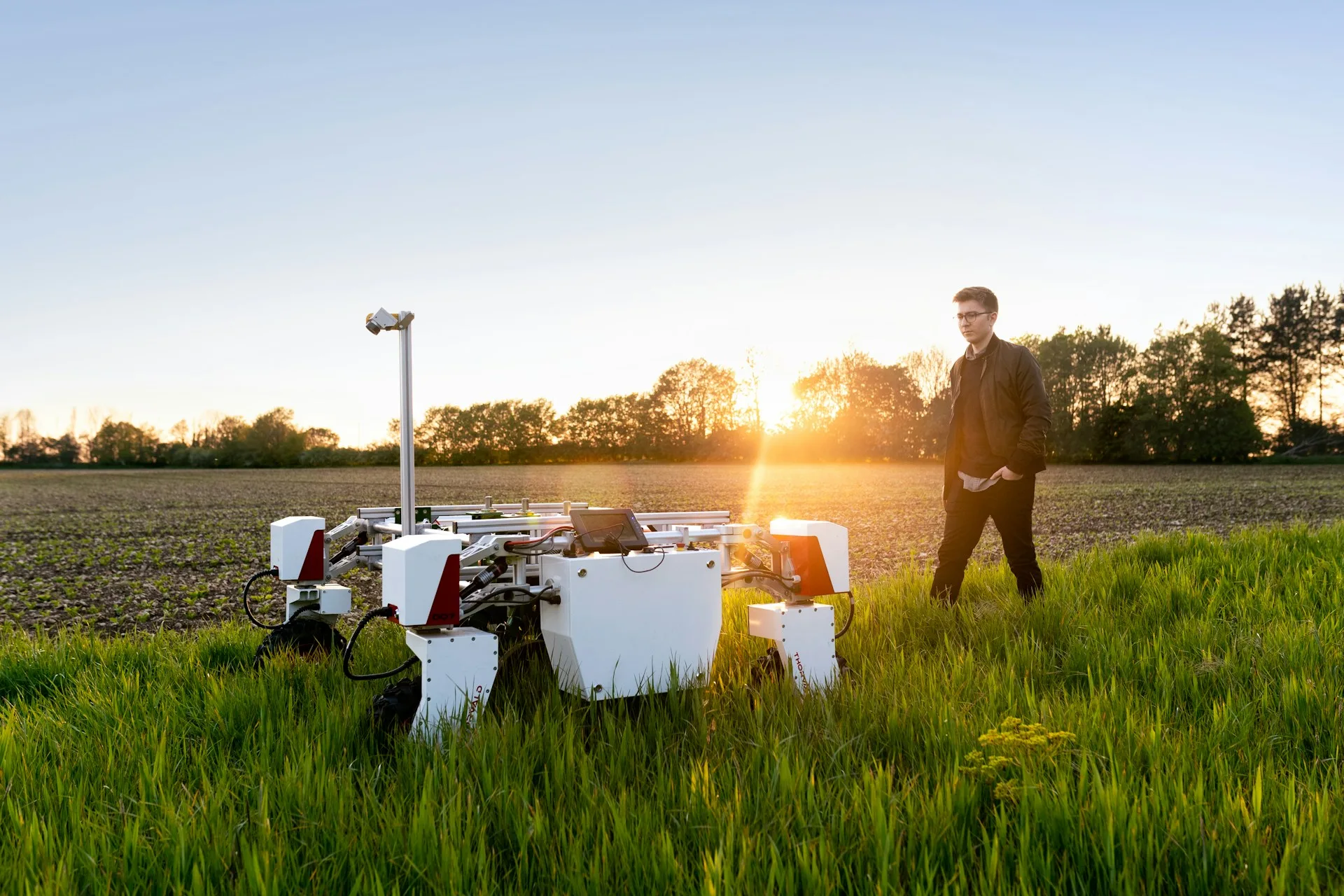

The agriculture sector faces numerous challenges, including climate change, population growth, and resource constraints. To address these challenges, farmers and agricultural businesses are turning to innovative technologies like the Internet of Things (IoT). IoT-based solutions are transforming traditional farming into smart farming, helping optimize resources, increase yields, and reduce costs.

In this article, we explore how IoT is shaping the future of smart farming solutions, its benefits, key applications, and examples of successful implementations.
IoT Adoption in Agriculture
- According to MarketsandMarkets, the global smart agriculture market is expected to grow from $13.8 billion in 2020 to $22.0 billion by 2025, at a CAGR of 9.8%.
- A report by BI Intelligence estimates that the number of connected agricultural devices will reach 75 million by 2024, growing at an annual rate of 20%.
- The United Nations predicts that IoT solutions in agriculture could increase food production by up to 70% by 2050 to meet the needs of a growing population.
These statistics demonstrate the significant impact of IoT on the future of smart farming solutions.
Understanding IoT in Smart Farming
The Internet of Things (IoT) refers to the interconnected network of physical devices equipped with sensors, software, and connectivity, enabling them to collect and exchange data. In the context of agriculture, IoT devices gather real-time data from the field, such as soil moisture, temperature, humidity, and crop health. This data helps farmers make informed decisions, improving productivity and efficiency.
What is Smart Farming?
Smart farming uses advanced technologies, including IoT, data analytics, artificial intelligence (AI), and robotics, to optimize agricultural processes. These technologies enable precision farming, which involves managing variations in the field to maximize crop yield and quality while minimizing waste.
Benefits of IoT in Smart Farming Solutions
1. Precision Agriculture
IoT enables precision agriculture by providing real-time data on soil conditions, weather patterns, and crop health. This data helps farmers apply the right amount of water, fertilizer, and pesticides, reducing waste and improving yield.
2. Enhanced Resource Management
IoT applications help farmers manage resources like water, energy, and fertilizers more efficiently. For example, smart irrigation systems use IoT sensors to monitor soil moisture levels and automatically adjust watering schedules, conserving water.
3. Improved Crop Monitoring
IoT devices, such as drones and remote sensors, provide accurate information on crop health, growth patterns, and pest infestations. This data allows farmers to take timely action, reducing crop losses and increasing productivity.
4. Reduced Operational Costs
By automating tasks like irrigation, pest control, and crop monitoring, IoT solutions reduce labour costs and increase operational efficiency. For instance, automated irrigation systems save time and reduce water usage, lowering costs.
5. Data-Driven Decision Making
IoT provides valuable data that helps farmers make informed decisions. Data analytics tools process and analyse this data, providing insights into crop growth, soil health, and weather patterns. This information helps farmers plan and optimize their operations.
Key IoT Applications in Smart Farming
IoT applications are transforming various aspects of agriculture, from crop management to livestock monitoring. Here are some key applications:
1. Smart Irrigation Systems
Smart irrigation systems use IoT sensors to monitor soil moisture, temperature, and humidity. These sensors communicate with an irrigation controller, which adjusts watering schedules based on real-time data. This approach ensures crops receive the right amount of water, conserving resources and reducing costs.
Example: In California, farmers use smart irrigation systems to save up to 30% of water compared to traditional methods.
2. Precision Crop Monitoring
IoT sensors, drones, and satellite imagery provide detailed information on crop health, soil conditions, and growth patterns. Farmers can identify issues like nutrient deficiencies, pest infestations, and diseases early, allowing for timely intervention.
Example: A study by the University of Nebraska found that precision crop monitoring reduced pesticide use by 30% and increased crop yields by 15%.
3. Livestock Monitoring
IoT devices, such as wearable sensors, monitor livestock health, location, and activity levels. These devices provide real-time data on animal behaviour, detecting signs of illness or distress early. Farmers can take prompt action, reducing veterinary costs and improving animal welfare.
Example: Dairy farms in Europe use IoT sensors to monitor cattle health, increasing milk production by up to 20%.
4. Smart Greenhouses
Smart greenhouses use IoT sensors to control environmental parameters like temperature, humidity, light, and CO2 levels. These sensors optimize growing conditions, increasing crop yields and reducing energy consumption.
Example: In the Netherlands, smart greenhouses have increased tomato yields by 30% while reducing energy costs by 20%.
5. Supply Chain Optimization
IoT solutions help optimize the agricultural supply chain by providing real-time data on inventory levels, transportation conditions, and delivery times. This data enables farmers and distributors to manage logistics more efficiently, reducing waste and improving product quality.
Example: IoT-based supply chain management reduced food waste by 10% in a pilot project conducted by a UK-based agribusiness.
IoT Application Development for Smart Farming
Developing IoT applications for smart farming requires a comprehensive approach that integrates hardware, software, and data analytics. Here are the critical components of IoT application development for agriculture:
1. Sensor Integration
Sensors are the foundation of any IoT solution. They collect data on soil moisture, temperature, humidity, light, and other parameters. The integration of these sensors with IoT platforms is crucial for real-time monitoring and data analysis.
2. Connectivity Solutions
IoT applications rely on stable and reliable connectivity to transmit data from sensors to the cloud. Connectivity options include cellular networks, satellite communication, LoRaWAN, and Bluetooth, depending on the farm’s location and size.
3. Data Analytics and Processing
Data analytics tools process the vast amount of data collected by IoT sensors. These tools use machine learning algorithms to analyse patterns and trends, providing actionable insights for farmers.
4. User Interface and Dashboard Development
A user-friendly interface and dashboard help farmers access and understand data. The dashboard should display real-time information, alerts, and recommendations to help farmers make informed decisions.
5. Security and Data Privacy
IoT applications must ensure the security and privacy of data. Implementing robust encryption protocols and secure authentication methods is essential to protect sensitive information.
Challenges and Considerations in IoT-Based Smart Farming
While IoT offers numerous benefits for smart farming, several challenges exist:
1. High Initial Investment
Implementing IoT solutions requires significant investment in sensors, connectivity infrastructure, and software development. However, the long-term benefits, such as reduced costs and increased yields, often outweigh the initial costs.
2. Data Management
Managing the large volumes of data generated by IoT devices can be challenging. Farms need advanced data storage and processing solutions to handle this data effectively.
3. Connectivity Issues
Remote farms may face connectivity issues, affecting the transmission of real-time data. Choosing the right connectivity solution based on location is crucial for seamless IoT implementation.
4. Security Concerns
IoT devices are vulnerable to cyberattacks, which can compromise sensitive data. Ensuring robust security measures is essential to protect data integrity.
Conclusion
IoT is revolutionizing smart farming solutions, providing farmers with real-time data and insights that help optimize resources, reduce costs, and increase yields. With applications ranging from smart irrigation to precision crop monitoring, IoT is transforming every aspect of agriculture. However, the successful implementation of IoT in farming requires careful consideration of challenges such as high initial investment, data management, connectivity issues, and security concerns.
Investing in IoT application development for smart farming is a strategic move for businesses and farmers seeking to improve efficiency, productivity, and sustainability in the agricultural sector.
Feature image by ThisisEngineering on Unsplash







