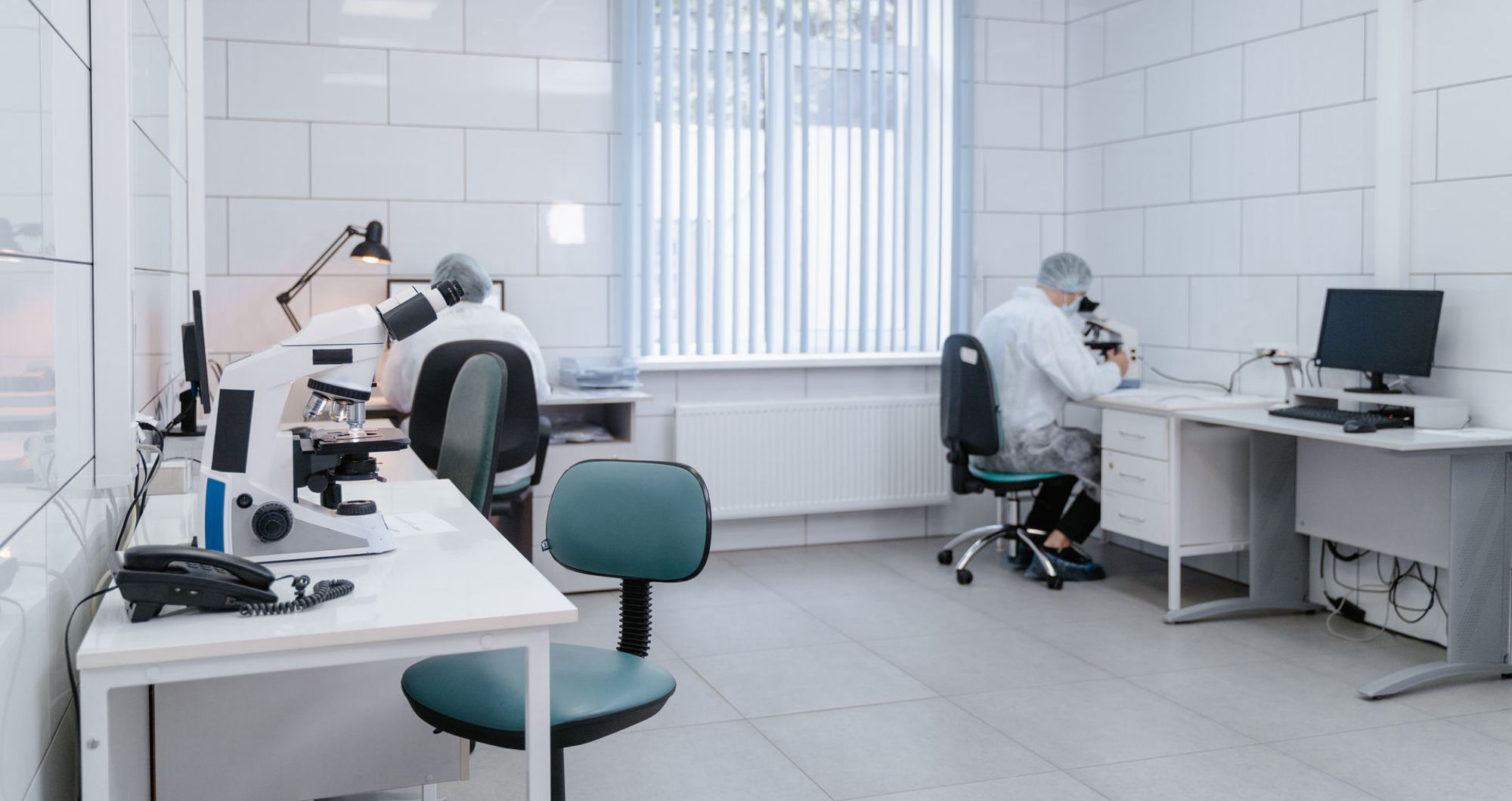

Optical laboratories require precision at every stage of their operations. From manufacturing lenses to applying specialised coatings and conducting detailed inspections, even the smallest airborne contaminants can affect product quality. Maintaining a clean environment is essential for ensuring accuracy, consistency, and customer satisfaction.
Because optical labs handle highly sensitive materials and processes, standard ventilation methods may not be enough. Specialised air filtration systems help control airborne particles, create cleaner workspaces, and protect both products and equipment from contamination.
The Importance of Clean Air in Optical Labs
Optical products demand exceptional precision. Tiny particles of dust, lint, or debris that might seem insignificant in other environments can create defects on lenses, optical components, and finished products.
During lens fabrication, polishing, coating, and assembly, airborne contaminants can settle on surfaces and interfere with quality control standards. Even minor imperfections may affect the performance, appearance, or durability of optical products.
Maintaining clean air throughout the facility helps reduce these risks and supports consistent production outcomes.
Common Sources of Airborne Contamination
Optical laboratories face a variety of contamination challenges. Dust particles can enter through doors, ventilation systems, employee movement, and incoming materials. Manufacturing processes may also generate particles that become suspended in the air.
Equipment operation, packaging materials, and everyday activity within the lab can contribute to airborne contamination levels. Without adequate filtration, these particles can circulate throughout the facility and settle on sensitive components.
Controlling these contaminants is essential for maintaining the high standards required in modern optical manufacturing.
How Specialised Air Filtration Systems Help
Advanced filtration systems are designed to capture airborne particles before they can affect production areas. These systems continuously clean circulating air, helping to maintain a controlled environment throughout the laboratory.
An effective optical lab air purification system removes contaminants that may compromise lens manufacturing, coating applications, and inspection processes. By reducing airborne particles, these systems help create cleaner workspaces where technicians can perform precision tasks with greater confidence.
Many specialised filtration solutions also work alongside ventilation and airflow management systems to provide comprehensive environmental control.
Protecting Product Quality and Accuracy
One of the primary benefits of specialised air filtration is improved product quality. Cleaner air reduces the likelihood of particles settling on lenses and optical components during critical production stages.
This level of environmental control helps laboratories maintain tighter quality standards, reduce defects, and minimise costly rework. Consistent air quality can also support more accurate inspections by limiting contaminants that may interfere with visual examinations or testing procedures.
For businesses that rely on precision manufacturing, maintaining a contaminant-free environment is a key factor in operational success.
Supporting Equipment Performance and Facility Efficiency
Airborne dust and debris can affect more than finished products. Sensitive manufacturing equipment may experience reduced performance if contaminants accumulate on mechanical or electronic components.
Specialised filtration systems help keep work areas cleaner, reducing dust buildup on machinery and supporting reliable equipment operation. This can contribute to lower maintenance requirements and improved long-term performance.
A cleaner facility may also help streamline housekeeping efforts while creating a more professional environment for employees and visitors.
Benefits for Employees
Clean air contributes to a more comfortable workplace. Technicians and laboratory staff often spend long hours performing detailed work that requires concentration and precision.
Reducing airborne dust and other contaminants can help improve overall indoor air quality, supporting employee comfort and productivity. A cleaner environment also reinforces workplace standards focused on quality, safety, and operational excellence.
Investing in air quality improvements demonstrates a commitment to both product integrity and employee well-being.
Conclusion
Specialised air filtration systems play a critical role in helping optical laboratories maintain clean and controlled environments. By reducing airborne contaminants, protecting sensitive equipment, and supporting precision manufacturing processes, these systems contribute directly to product quality and operational efficiency. As optical technology continues to advance, maintaining superior air quality will remain an essential part of delivering accurate, reliable, and high-quality optical products.