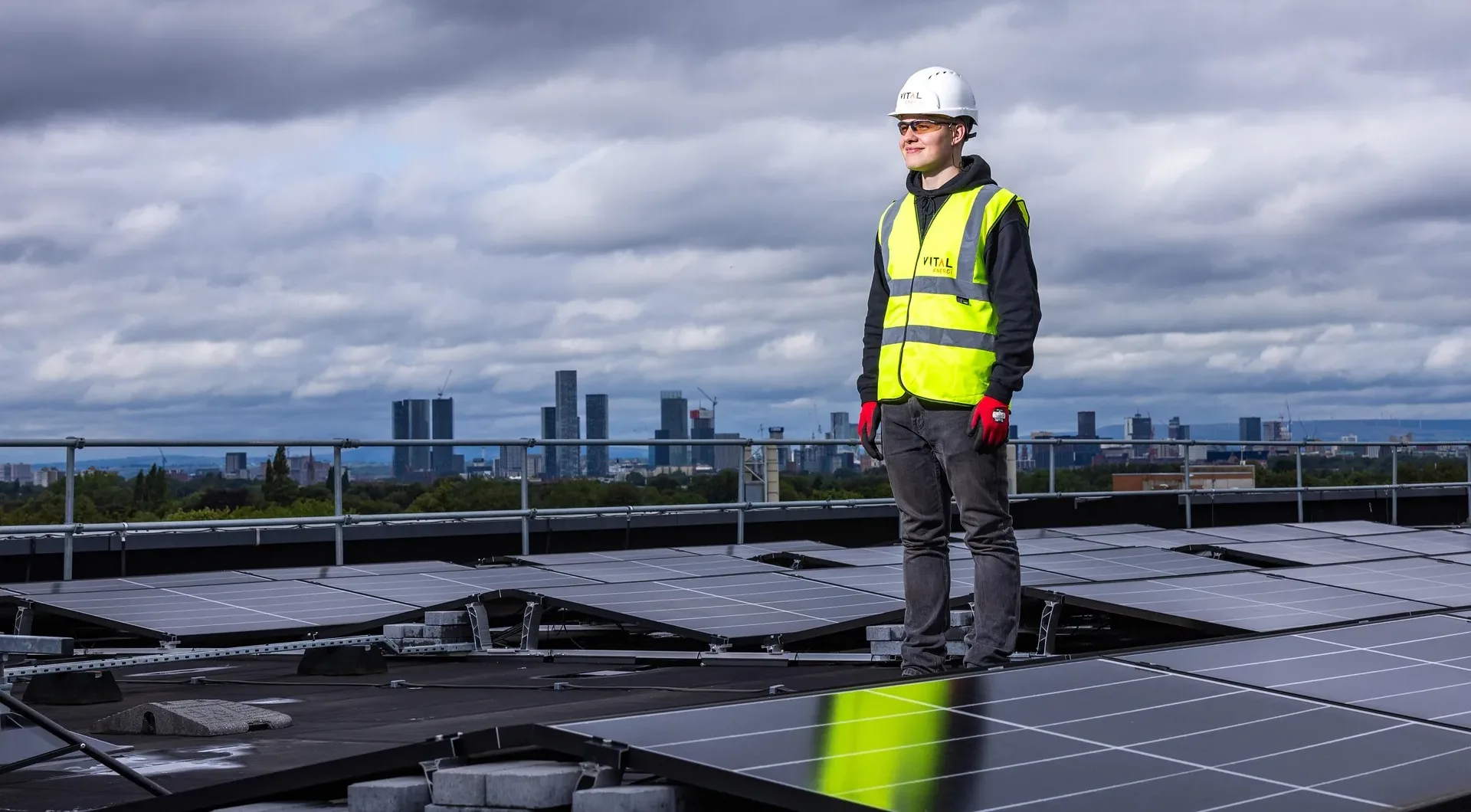

The solar energy industry is booming, and with growth comes challenges. Companies must scale operations efficiently, maintain quality, and keep customer satisfaction high. Leading the way in this field is Neville Voss, a renewable energy expert from Hampshire, UK. With years of experience in scaling solar installation teams, implementing cutting-edge technology, and fostering strong leadership, Voss has become a key voice in the industry.
His work demonstrates how the right strategies, training, and innovation can create high-performing teams that drive the future of sustainable energy. Let’s take a closer look at how Voss and other industry leaders are solving some of solar’s biggest challenges.
Scaling Solar Installation Teams Without Sacrificing Quality
As the demand for solar energy increases, installation teams must expand rapidly. However, hiring more workers isn’t enough—companies need structured recruitment strategies, effective training, and strong leadership to build teams that can perform at scale.
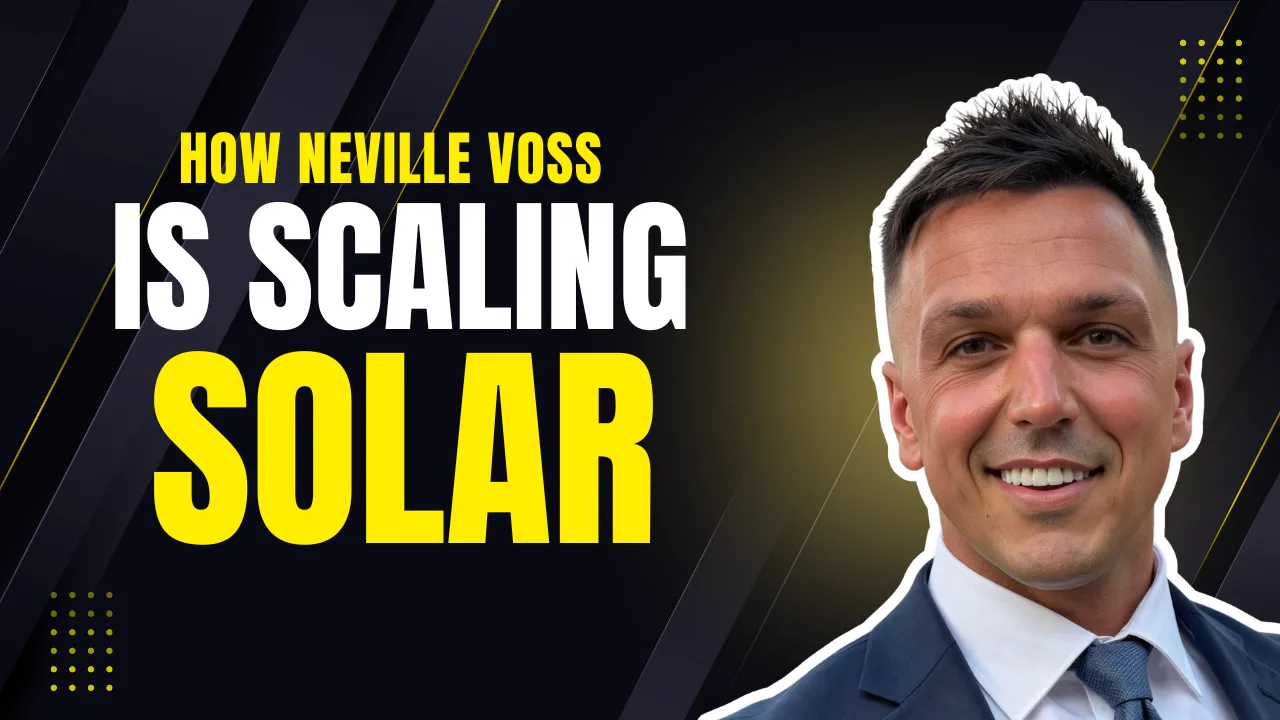
Neville Voss has firsthand experience managing large solar teams.
“Hiring is just the start, you need the right systems in place to train, support, and empower your teams. If you don’t have quality control, scaling up only leads to more problems.”
A successful approach to scaling includes:
- Clear recruitment strategies that prioritise both technical skills and adaptability.
- Standardised training programs that ensure every worker understands installation best practices.
- Process automation, such as using AI-driven quality checks, to reduce errors.
Balancing speed with quality is key. Rushing to complete projects can lead to costly mistakes, but structured workflows help teams maintain high standards. Checklists, detailed quality assurance processes, and ongoing support ensure that teams work efficiently without cutting corners.
Getting It Right the First Time
Ensuring accuracy from the start is crucial in solar installations. Poorly installed systems lead to wasted materials, safety risks, and unhappy customers. Mistakes can also be expensive—a report from McKinsey found that correcting errors in solar installations can increase project costs by 15%.
To maintain quality at scale, top companies use:
- Checklists to confirm each step of the process is completed correctly.
- QA inspections at multiple stages of the installation.
- Technology-driven monitoring, such as smart sensors that detect faults before they become major issues.
According to Voss, investing in quality from the start saves time and money.
“You don’t want to be fixing errors after installation. Every mistake costs money and damages trust. The goal is to eliminate issues before they happen.”
Technology also plays a major role in maintaining quality. AI-powered drones now inspect solar farms, spotting panel defects that might be missed by the human eye. IoT sensors track system performance, flagging inefficiencies early. These tools help solar teams maintain precision even as they scale.
The Role of Customer Experience in Solar Growth
Solar energy is not just about technology—it’s about people. Homeowners and businesses investing in solar want a seamless experience from consultation to installation. Companies that prioritise customer service will have a competitive edge.
Building a customer-centric solar team means:
- Training employees to communicate clearly and educate customers on their systems.
- Creating a smooth onboarding process that guides customers from inquiry to installation.
- Offering ongoing support, so customers feel confident using their solar panels.
“When people invest in solar, they’re making a long-term commitment. They need to feel supported. The best solar teams aren’t just skilled installers—they’re great communicators.”
Mapping out the customer journey helps businesses identify weak spots. Are customers confused about their options? Are they struggling with post-installation maintenance? By listening to feedback and improving touchpoints, companies can build lasting customer relationships.
What Drives Success?
Strong leadership is at the core of every high-performing solar team. Leaders in this field must navigate industry shifts, manage growing teams, and integrate new technology—all while staying committed to sustainability.
Great leaders:
- Empower their teams, giving employees opportunities to grow and take ownership of projects.
- Stay ahead of technology trends, ensuring their teams are using the latest tools for efficiency and quality.
- Promote a culture of continuous learning, encouraging team members to expand their knowledge.
“Innovation isn’t just about technology. It’s about leadership. If you want your teams to evolve, you have to invest in them.”
AI and automation are transforming the solar industry, streamlining processes and making installations more precise. Companies that embrace these tools will have a major advantage. From smart project management software to AI-assisted design tools, technology is making solar installations faster and more reliable.

The Bigger Picture
At its core, the solar industry is about building a cleaner, greener future. Large-scale installations play a huge role in reducing carbon emissions and helping businesses and homeowners transition to renewable energy.
Solar power is now one of the cheapest energy sources in history. According to the International Energy Agency (IEA), the cost of solar power has dropped by over 80% in the last decade. This makes it more accessible to a wider audience.
Companies that scale their solar operations effectively are helping drive this transition. Large solar farms provide clean energy to cities and industries, reducing dependence on fossil fuels. Meanwhile, customer-focused residential solar programs empower homeowners to take control of their energy use.
“Sustainability isn’t just a goal—it’s the foundation of everything we do. Scaling solar isn’t just about business growth. It’s about making renewable energy the standard.”
The Future of Solar Teams
To keep up with demand, the solar industry needs a skilled workforce. Training and mentorship are essential for developing the next generation of solar professionals.
Top training strategies include:
- Hands-on workshops that teach real-world installation techniques.
- Online courses that provide ongoing education on new technologies.
- Mentorship programs where experienced professionals guide newcomers.
Mentorship plays a huge role in team development. When experienced solar professionals pass down their knowledge, new team members learn faster and feel more confident.
“Mentorship isn’t just about skills—it’s about mindset. A strong team doesn’t just know how to do the job. They know why it matters.”
Final Thoughts
The solar industry is at a turning point. As demand rises, companies must scale efficiently while maintaining quality and keeping customers satisfied. Strong leadership, innovation, and sustainability will shape the future of renewable energy.
Neville Voss and other industry leaders are proving that scaling solar teams the right way leads to long-term success. By investing in training, embracing technology, and staying focused on sustainability, the solar sector can continue to grow—while making the world a cleaner place.
The future of solar isn’t just bright. It’s unstoppable.
Feature Image by This_is_Engineering from Pixabay