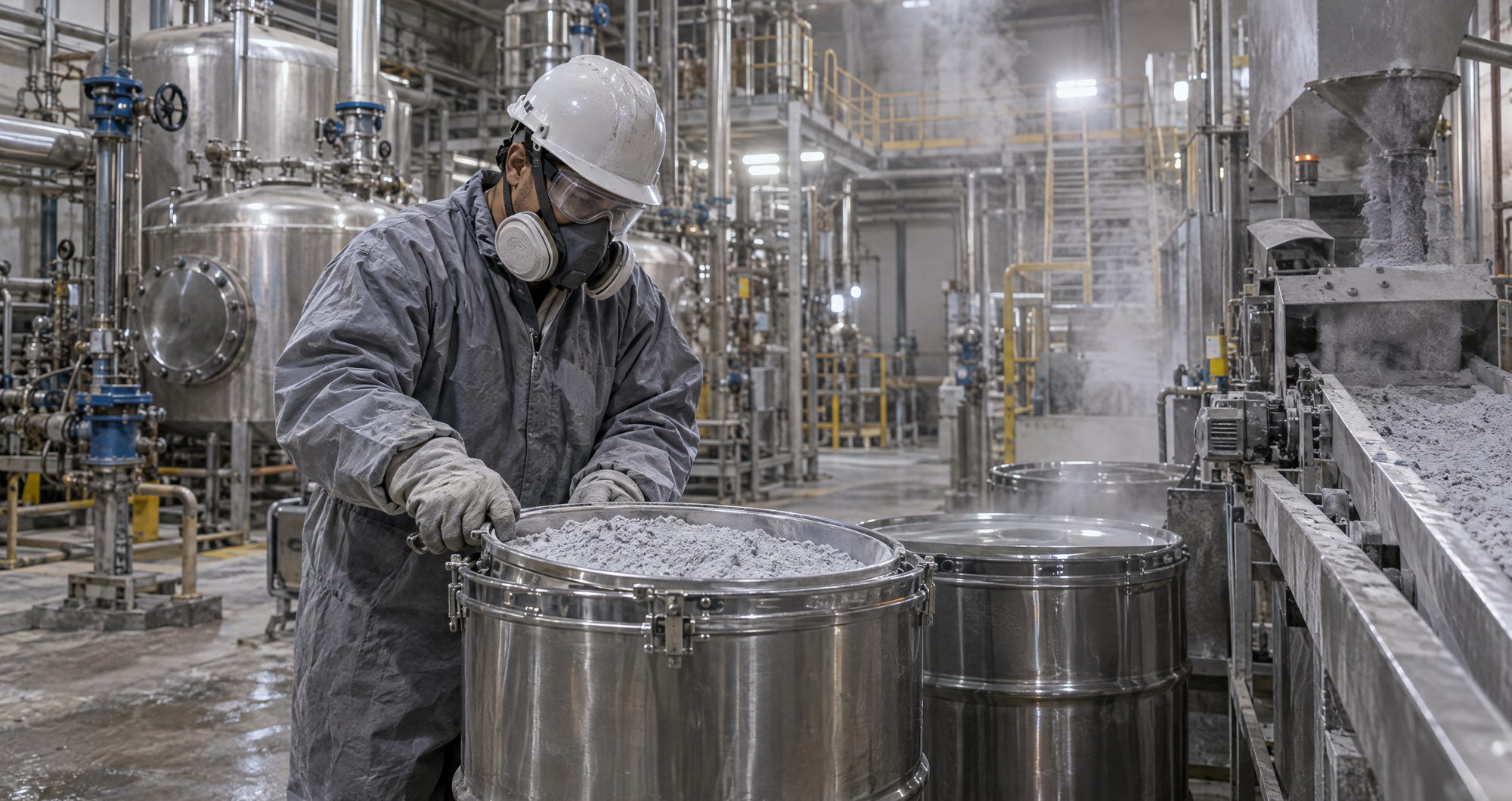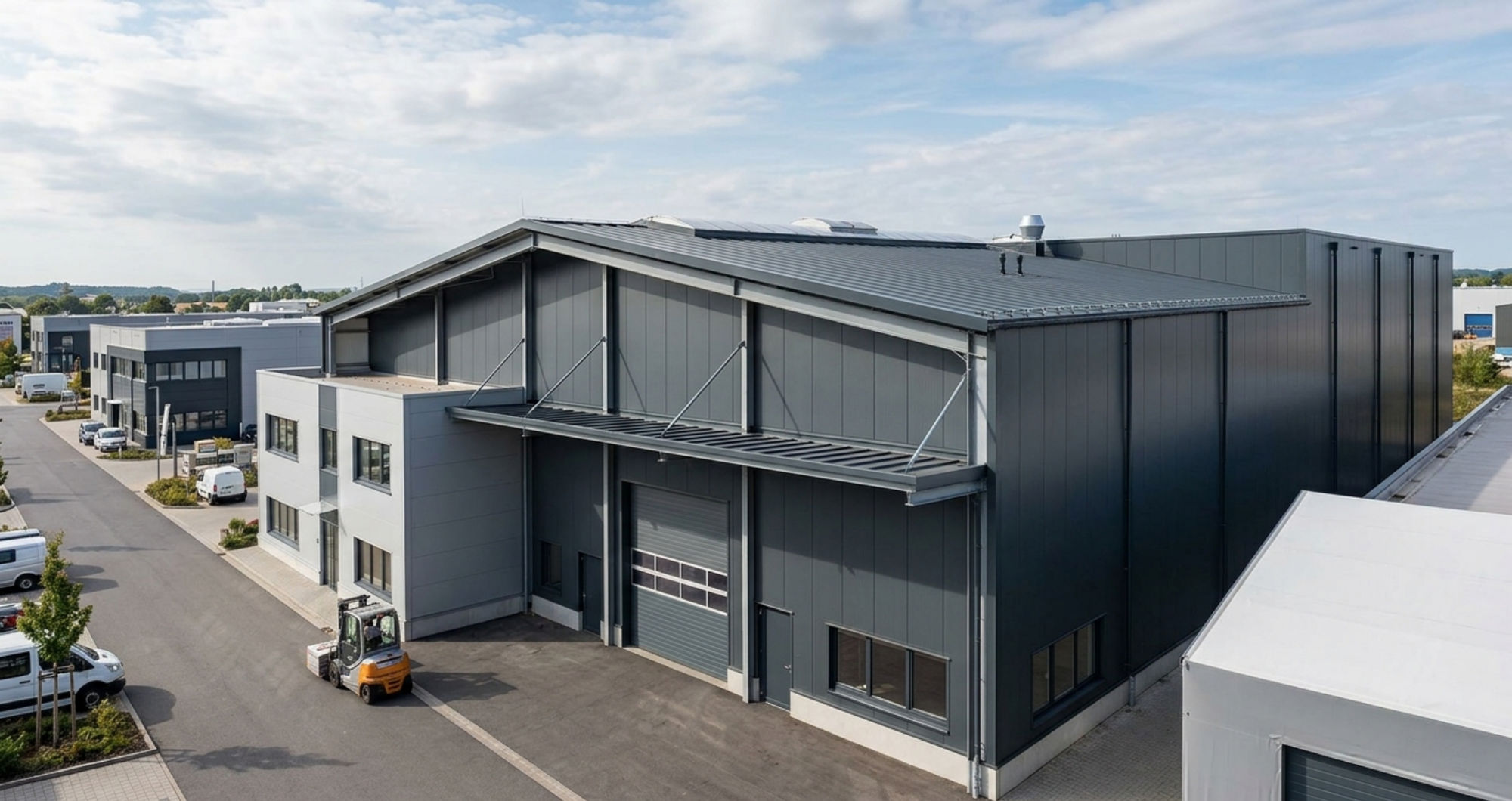

Why Pre-Finished Metal Matters in Modern Construction
Buildings are expected to perform for longer while meeting tighter schedules, controlled budgets, and higher visual standards. That places pressure on every stage of the construction supply chain. Prepainted steel responds by applying metallic protection, primer, and paint to coil under controlled factory conditions before the material is formed into roofing, cladding, doors, partitions, ceilings, or insulated panels. The result is not automatically durable or sustainable. Performance depends on the substrate, metallic coating, paint chemistry, film thickness, forming process, installation details, local climate, and maintenance plan. When these variables are matched correctly, pre-finished steel can reduce on-site finishing, improve colour consistency, and provide contractors with a more predictable material input.
A Material That Fits Changing Urban Design
London’s built environment illustrates how construction materials evolve alongside design and engineering. London Daily News has discussed the role of steel and reinforced concrete in the development of the capital’s skyline. Today, coated metal adds another layer to that story by combining a structural substrate with factory-controlled weather protection and architectural finishes. Prepainted products are used in visible and functional parts of the building envelope. They can support clean lines, repeated panel modules, broad colour choices, and faster installation. They also allow architects and contractors to specify different surface systems for interior ceilings, industrial buildings, commercial façades, warehouses, cleanrooms, cold rooms, and residential roofing.
Where Prepainted Steel Is Commonly Used
Prepainted metal is used in building applications including façade panels, ceilings and partitions, garage and industrial doors, roofing systems, cladding, sandwich panels, and selected structural components. The appropriate coating, substrate, forming method, packaging, and quality-control requirements depend on the intended application. · Roofing sheets and standing-seam or profiled roof systems. · External wall cladding, façades, soffits, and decorative panels. · Sandwich-panel skins for warehouses, cold rooms, and controlled environments. · Garage doors, industrial doors, shutters, and entrance panels. · Interior partitions, ceilings, cabinets, and architectural metalwork. Each application creates a different exposure profile. An internal ceiling does not need the same UV resistance as a coastal façade. A sandwich-panel skin may require a compatible back coat for bonding. A highly formed door panel may need better flexibility than a shallow roofing profile. The specification should follow the component, not simply the colour.
PPGI and PPGL Are Related, but Not Identical
PPGI is prepainted galvanised steel, based on a zinc-coated substrate. PPGL is prepainted Galvalume steel, based on an aluminium-zinc alloy coating. Both can be supplied with different paint systems and finishes, but their corrosion behaviour, heat reflectivity, cut-edge performance, and forming suitability can differ. Buyers should avoid choosing between them by product name alone. Local humidity, salinity, industrial pollution, roof pitch, rainwater drainage, contact with other materials, forming severity, and expected service life all matter. The coating mass and steel grade must also suit the project. A supplier recommendation should explain why the selected structure fits the actual environment.
Choosing PE, SMP, HDP or PVDF Coatings
The paint layer protects the metallic coating and creates the visible finish. Standard polyester, often described as PE coating, is widely used for cost-controlled indoor and general applications. SMP coating can offer improved weathering for selected exterior uses. HDP and PVDF coating systems may be considered where stronger colour retention, UV resistance, or environmental durability is required. A higher-priced paint system is not automatically the correct choice. Buyers should define exposure, expected life, colour, gloss, forming, cleaning, and maintenance requirements. They should then request the proposed primer, top coat, back coat, dry-film thickness, test methods, and any limitations. Dark colours, metallic finishes, coastal sites, and highly visible façades may need additional review.
Buyer Comparison: Match the Material System to the Application
The table below offers an initial framework. Final approval should follow project specifications, samples, forming trials, and applicable building requirements. Application Material to evaluate Main design priority Critical buyer checks Exterior roofing PPGI or PPGL with suitable exterior paint Weathering, corrosion, drainage, forming Substrate, coating mass, paint system, profile, cut edges Façade and wall cladding Prepainted or laminated architectural steel Colour retention, flatness, appearance Master sample, gloss, colour tolerance, protective film Sandwich panels Coated steel with compatible back coat Bonding, surface quality, controlled dimensions Foam or adhesive compatibility, width, thickness, adhesion Interior ceilings and partitions PCM, PPGI, or decorative coated steel Finish, cleanability, fabrication efficiency Indoor exposure, gloss, forming, scratch resistance, fire requirements
Efficiency Comes From Fewer Uncontrolled Steps
Prepainted steel can simplify production because coating is completed before roll forming, stamping, cutting, or assembly. This may reduce on-site painting, drying time, overspray, rework, and variation between individually finished parts. Coil, slit coil, or cut-to-length sheet can also be supplied closer to the fabricator’s required dimensions. London Daily News has noted the growing use of steel-frame buildings for agricultural, commercial, and industrial projects, where speed, wide spans, and durability are valued. In those projects, predictable roof and wall-panel materials can support efficient enclosure, but only when drawings, quantities, tolerances, panel direction, fasteners, sealants, and installation sequencing are coordinated.
Durability Depends on Details Beyond the Coil
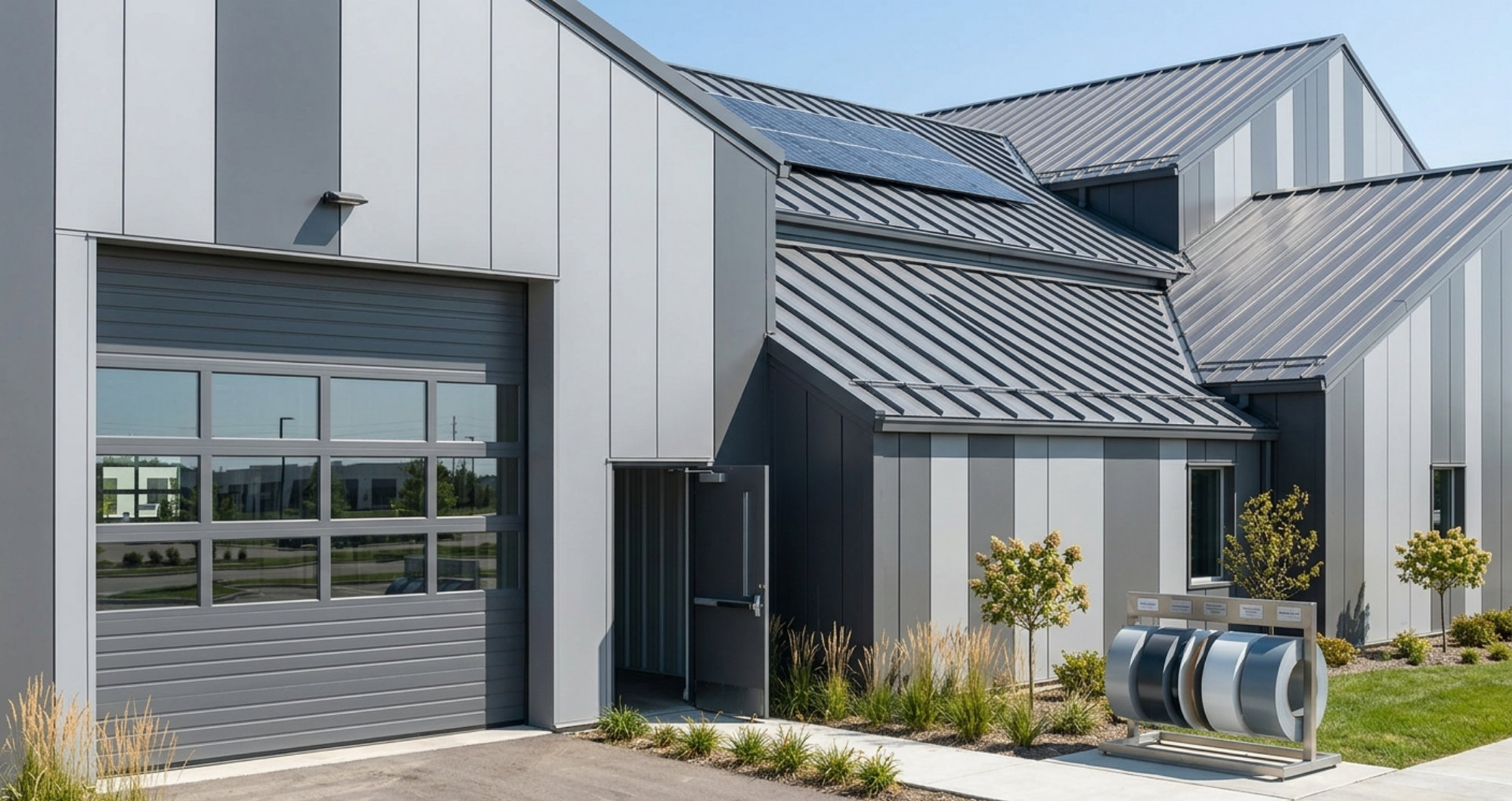
A strong coating cannot compensate for poor design or installation. Water traps, unsuitable fasteners, incompatible metals, damaged edges, aggressive cleaning, poor ventilation, and incorrect storage can shorten service life. Installers should protect surfaces during handling and remove temporary protective film within the recommended period. Cut edges and penetrations need treatment appropriate to the system. Colour variation also requires management. Large projects should use an agreed master sample and, where appearance is critical, planned batch control. Panel orientation matters because metallic or directional finishes can appear different when installed in opposite directions. Replacement material ordered much later may not match the original batch exactly.
What International Buyers Should Include in an RFQ
A prepainted and laminated steel product guide can help international buyers distinguish between PPGI, PPGL, PCM, VCM, printed steel, and speciality coatings according to application and surface method. This distinction can help avoid requesting a decorative film product when painted construction coil is required, or selecting standard roofing material for a highly visible architectural or interior panel. A useful request for quotation should include: · Final application, drawings, forming process, and indoor or outdoor environment. · Steel grade, substrate, metallic coating mass, thickness, width, and tolerances. · Paint system, colour reference, gloss, top and back coating, and film thickness. · Coil weight, inner diameter, slit width, sheet length, protective film, and edge requirements. · Required tests, sample approval, inspection documents, quantity, destination port, and schedule. · Packaging orientation, moisture protection, labels, shipping marks, and loading requirements.
Quality Control and Export Handling
Quality control should connect directly to the purchase specification. Depending on the order, checks may include base-metal thickness, metallic coating mass, paint thickness, colour difference, gloss, T-bend, cross-cut adhesion, impact, hardness, MEK resistance, salt spray, surface appearance, dimensions, and packaging integrity. Buyers should agree on test methods and acceptance limits before production. Export handling deserves the same attention. Moisture, coil movement, crushed edges, unsuitable lifting, or weak sheet support can damage usable material. The order should define waterproof protection, outer wrapping, strapping, pallet or eye orientation, coil separators, labels, loading photographs, and container loading. Clear packaging requirements protect both material quality and the claims process.
Frequently Asked Questions
Is PPGL always better than PPGI for roofing?
No. PPGL is often evaluated for enhanced corrosion resistance, but the correct option depends on climate, forming, cut edges, chemical exposure, contact materials, coating mass, paint system, and project specification.
Can one coating specification be used for interiors and exteriors?
Not automatically. Exterior panels face UV, rain, temperature cycling, pollution, and possibly salt exposure. Interior panels may prioritise formability, appearance, cleanability, or bonding. The specification should reflect the actual environment.
Conclusion
Prepainted steel can support efficient and durable building design by combining factory-controlled protection with a ready-to-form surface. Its real value comes from correct matching: substrate, metallic coating, paint system, colour, forming, fabrication, installation, quality control, and logistics must work as one system.
For international projects, the most appropriate material should be selected according to the building environment, expected service life, fabrication requirements, appearance, maintenance conditions, and applicable standards. Comparing coating systems, requesting relevant test documentation, reviewing samples, and confirming handling and installation requirements can help buyers avoid unsuitable specifications and achieve more predictable long-term performance. “””