
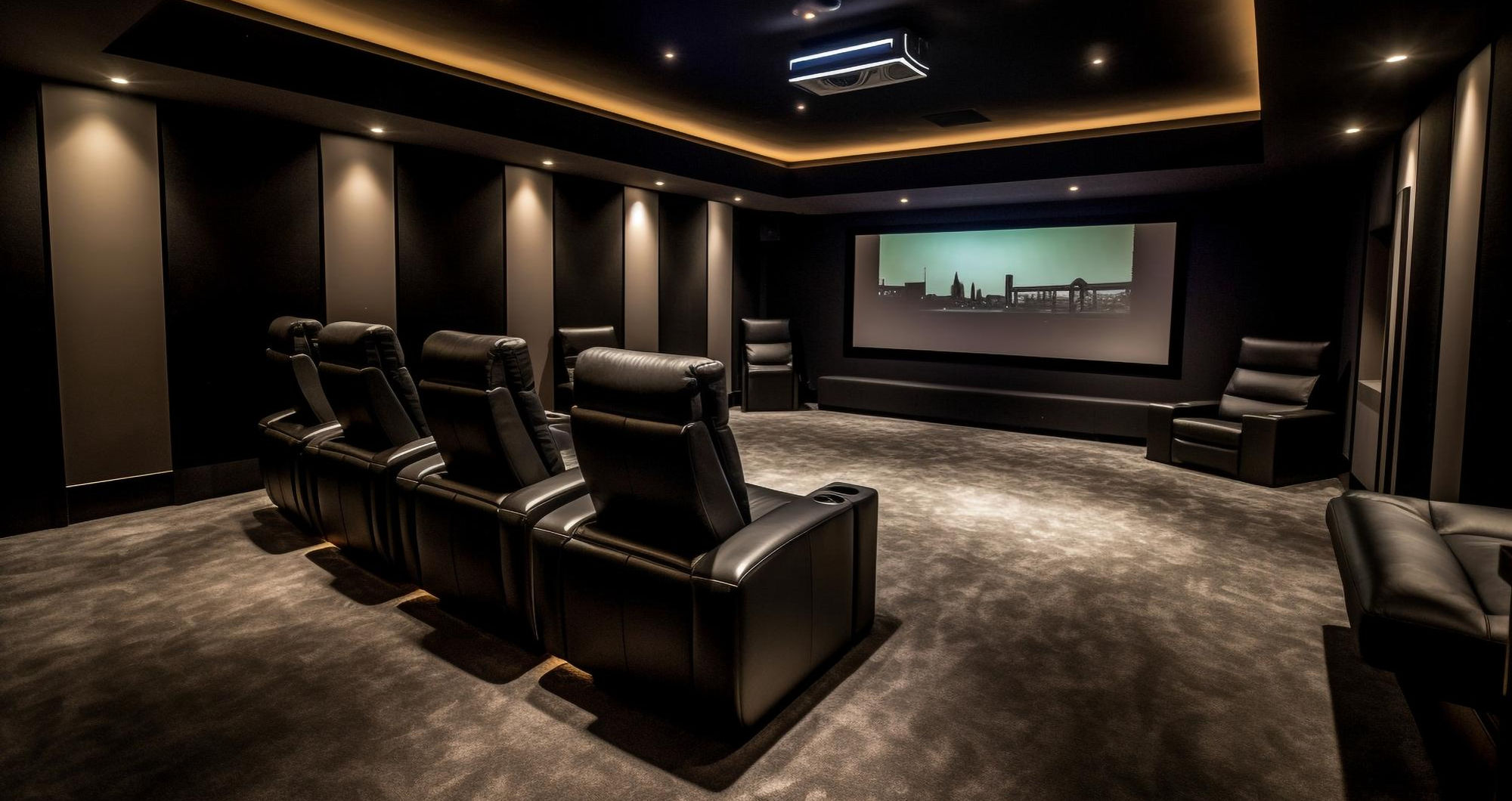

West End-inspired home cinema design is not just about bigger screens; it is about seat geometry, lighting control, material finish, and long-duration comfort. In seating research, key variables like seat height, depth, width, backrest angle, and armrest position materially change posture, pressure, and ease of standing.
Want your living room to feel like a private premiere room instead of a generic media space? The strongest comfort gains come from properly fitted seating, not from adding more furniture. This guide shows how to translate cinematic luxury into a home setup with the right chair dimensions, recline behavior, and styling choices.
What “West End Cinematic Luxury” Means at Home
West End luxury in a residential cinema context is less about theatrical ornament and more about controlled atmosphere. In practical terms, that means dimmable lighting, visually calm materials, seat-based comfort for long viewing sessions, and a layout that supports clear sightlines without cluttering the room.
The same logic appears in seating ergonomics literature: comfort is not a vague aesthetic outcome, but the result of measurable design choices. Reviews of sitting and working furniture consistently highlight seat height, seat depth, backrest angle, armrest height, and pressure distribution as the main variables shaping comfort and posture. That is why a high-end cinema room should start with home theatre seating specification, not décor accessories.
Atmosphere Is Built From a Few Core Variables
A luxury cinema room usually depends on four design layers:
- Lighting control: low ambient light and localised accent lighting
- Material consistency: upholstery, trim, and wall finishes that avoid visual noise
- Seating proportion: chairs sized to the body, not just the room
- Acoustic and visual calm: fewer reflective surfaces and fewer distractions
In practical use, the seating is often the most expensive and most visible element in the room, which makes its fit and finish the anchor for the rest of the design. If the chair looks premium but feels wrong after 30 minutes, the “luxury” effect disappears.
Why Seating Quality Matters More Than Extra Décor
A systematic review of chair interventions in office settings found that evidence for reducing discomfort through generic chair changes is mixed and of low certainty, but that does not mean all seats are equal. It means the benefit depends heavily on the actual geometry and use case. In other words, a luxury home cinema chair works best when it is specified for the viewer’s body dimensions and viewing posture, not just selected for appearance.
That distinction matters in a living room conversion. A room can look dramatic and still fail as a viewing space if the seat is too deep, the armrests are misplaced, or the recline forces the neck into an awkward angle.
The Seating Variables That Actually Drive Comfort
If one part of the setup deserves technical attention, it is the chair itself. Seating research consistently points to a small set of measurable parameters that shape whether a person can sit comfortably for a full film or binge session.
For older users and anyone who values easy sit-to-stand movement, the evidence is especially concrete. In aged-care seating research, higher seats reduce hip and knee effort during standing, with one cited optimal height around 430 mm, or 470 mm with a footrest. The same source notes a facility-oriented range of 380–457 mm, but also shows that a “standard” higher chair can still be too tall for smaller bodies. That is a useful reminder for home cinema buyers: premium should not mean oversized.
Seat Height, Depth, and Width
Three basic dimensions shape how the chair feels:
- Seat height: influences standing effort and lower-limb loading
- Seat depth: influences thigh support and knee-edge pressure
- Seat width: influences posture shifts and lateral comfort
A cited recommendation in the aged-care paper places seat width around 409 mm, using female hip breadth as a reference, while seat depth values around 376 mm are noted as more comfortable for smaller users than deeper defaults like 440 mm. The practical takeaway is simple: if the seat is too deep, shorter viewers will slide forward and lose back support; if it is too low, standing becomes harder.
Armrests, Recline, and Pelvic Position
Armrests are not just for aesthetics. In the same seating literature, armrest placement around 250 mm from the seat is associated with better sit-to-stand performance, with a cited configuration of 730 mm from the floor at the front, 250 mm from the seat at the back, 120 mm width, and 120 mm protrusion from the front edge. For a luxury home theatre, that means the armrest should support posture without crowding the torso or interfering with relaxed viewing.
Pelvic position also matters. StatPearls’ seating guidance describes a slight anterior pelvic tilt, so bodyweight is distributed across the buttocks and posterior thigh rather than concentrated at the pelvis. In plain terms, the chair should let the viewer sit “in” the seat, not perch on it. That is a small adjustment with a large effect on long-session comfort.
Recline Is Helpful Only When It Fits the Use Case
Recline is often marketed as the premium feature, but the evidence says the angle and context matter. A seating comfort study in a Chinese population found comfort was optimised when the whole-chair turning angle stayed between 10° and 20°. Another trial comparing seating recline found that subjective sleepiness on the Karolinska Sleepiness Scale (KSS) increased in the reclined position and decreased in the flat position.
That does not mean recline is bad. It means the best recline is the one that supports the room’s purpose. For a late-night film room, a controlled recline may improve relaxation. For a bright media lounge where alert viewing matters, a flatter posture may be better.
How to Choose Premium Theatre Seating Without Oversizing the Room
A common mistake in living room cinema design is buying chairs that look like a commercial theatre without checking clearances. Luxury seating should feel substantial, but it still needs to respect walking paths, table placement, screen distance, and legroom.
The best way to choose is to work backwards from the room and the viewer. Start with the room’s usable width and depth, then map the chair footprint, then test recline clearance, then confirm that armrests and cupholders do not block movement. The goal is not maximum seat count; it is the right viewing experience.
Match the Chair to the Body, Not the Catalogue Photo
Catalogue imagery can be misleading because it usually shows the chair in ideal lighting and from flattering angles. In use, the deciding factors are:
- Seat height relative to popliteal height
- Seat depth relative to thigh length
- Armrest position relative to torso width
- Recline angle relative to head position and screen height
The “Jean” example from the aged-care paper is useful here: a popliteal height of 330 mm versus a mean of 379 mm demonstrates why a chair that fits an average user may still be too tall for a smaller person. In a family living room, that means the “one perfect chair” assumption rarely holds. If multiple people use the room, the design should accommodate the smaller seated user first, then add adjustability.
When Powered Adjustments Are Worth It
Powered recline, motorised headrests, and adjustable lumbar support are common differentiators in premium cinema seating because they reduce the friction of fine-tuning posture. That matters when the room is used for long films, sports nights, or repeated viewing sessions. The research basis is not that powered functions are inherently superior in every case, but that comfort improves when the body can be placed into a supported position and held there without strain, which is the kind of use case a range like Weilianda Luxury Version 2.0 should be judged against.
For that reason, the best premium seats are usually the ones that allow small adjustments rather than dramatic transformations. A chair that offers controlled recline, stable armrests, and easy exit is often more useful than a deeper, more dramatic lounger that is harder to get out of.
Styling the Living Room So It Feels Premium, Not Commercial
A West End-inspired room should read as refined hospitality, not as a row of identical auditorium seats. That usually means blending cinema seating into the room architecture rather than making it the only visual idea; even luxury series movie theatre seats work best when their scale, finish, and recline clearance are planned around the living room.
Materials do most of the work here. Matte upholstery, dark but textured finishes, and restrained metal accents can make a room feel cinematic without looking like a converted basement theatre. Soft wall treatments, minimal glare, and layered lighting reinforce the effect.
Use Seat Placement to Create a “Private Premiere” Feeling
Spacing and orientation matter as much as the chair model. Even the best seat can feel cheap if it is jammed against another chair or too close to a wall. The static seating comfort literature is useful here because it treats chair orientation as a real design variable, not an afterthought. A chair turning angle of around 10° to 20° may improve comfort in some setups, which suggests that slight angling can make a room feel more intentional and less rigid.
In practical design terms, you are aiming for three things:
- Clear viewing geometry
- Comfortable personal space
- A layout that supports easy entry and exit
That is especially important in a living room, where the cinema area still has to coexist with daily circulation, coffee tables, or side seating.
Avoid the “Commercial Clone” Problem
Luxury home cinema design works best when it borrows from the West End rather than copying it. If the room feels too literal, it can become visually heavy and less livable. A better strategy is to keep the seating premium but integrated: one or two statement chairs, coordinated upholstery, and ambient lighting that can be dimmed for films and brightened for normal use.
This approach also respects the evidence on comfort. A chair may be luxurious in appearance, but if seat depth is too long or the recline makes the viewer sleepy when they want an alert posture, the design fails the actual use case.
Practical Specification Checklist for a High-End Home Cinema
A good specification process is mostly about avoiding mismatches. Before you buy, write down the measurable variables that matter most for your household: viewer height, seat depth, sitting duration, screen height, and walking clearance.
The Core Parameters to Check
Use this checklist:
| Decision variable | What to check | Useful range or cue |
| Seat height | Does the feet stay planted and standing feel easy? | Around 430 mm is often cited as a useful target; 380–457 mm may work depending on user size |
| Seat depth | Is full thigh support possible without knee pressure? | Around 376 mm may suit smaller users better than 440 mm |
| Seat width | Is there room for relaxed posture shifts? | About a clenched fist on either side of the hips; one cited value is 409 mm |
| Armrest position | Does it stabilise without crowding? | About 250 mm from the seat in the cited guidance |
| Recline/angle | Does it support comfort without dulling the viewing posture? | One study found 10°–20° optimal for whole-chair turning angle |
| Pelvic support | Does the seat encourage stable posture? | Slight anterior pelvic tilt with load on buttocks and posterior thigh |
These are not universal rules, but they are strong starting points because they are tied to measurable furniture features rather than vague style claims.
What to Treat as a Red Flag
Be cautious if any of the following are true:
- Seat depth feels too long and forces sliding forward
- Seat height makes standing noticeably harder
- Armrests block relaxed elbow position or movement
- Recline creates neck strain or increases sleepiness when you want alert viewing
- The chair dominates the room visually and makes the space feel over-commercialised
If the chair fails on fit, adjustability often helps more than style changes. If it fails on both, it is the wrong product for the room.
Key Takeaways
West End cinematic luxury at home is built from measured comfort, not just visual drama. The strongest design variables are seat height, seat depth, armrest position, recline behaviour, and lighting control, because those are the features that shape long-duration viewing comfort and room atmosphere.
For a true premium feel, start with fit: aim for seating that supports the body, not just the aesthetic. If you want the room to feel luxurious and liveable, choose chairs and recliners that match the users’ body dimensions, leave enough clearance for the room, and use controlled materials and lighting to complete the experience.







