

Digital transformation in healthcare has become a leading industry trend in 2024 and promises to shape the sector long into the future. While this can help open the door to innovations and payment technology, it may also pose an unprecedented level of risk to providers’ security.
The economic and reputational implications of a payment card data breach can be severe for healthcare practices, and facilities may be especially vulnerable throughout the industry.
Statistics suggest that 56% of healthcare providers allocate less than 10% of their IT budgets to securing their digital systems, which is an alarming figure considering that data breach costs within the industry have remained consistently higher than any other for the past 13 years.
According to JPMorgan data, denial of service attacks and ransomware have posed an acute risk for healthcare companies, which may be forced into returning to manual operation when compromised systems fail.
Due to the severity of the threat of data breaches and the significant damage compromised data can do for vulnerable patients, healthcare firms must allocate greater resources towards securing their digital systems. As a result, payment security should be a priority in 2024.
Security as a Priority
In the post-pandemic landscape, it’s become commonplace for healthcare facilities to accept card payments and require decision-makers to adapt their approach to security.
The failure to comply with data security standards places any organization at risk of running up heavy losses through fraud and prospective fines and legal fees should regulators decide that negligent behaviour has occurred.
For the many healthcare firms taking payments by phone, it’s important to utilise a credible payment service provider (PSP) to oversee connections with network providers and acquiring banks. Additionally, PSPs undergo rigid annual PCI audits to ensure regulatory compliance is maintained.
Compromised payment details of patients can also be a significant threat to healthcare firms, and the negative publicity that can come as a consequence of a data breach will potentially run even the most competent facilities into the ground. With this in mind, it’s imperative to prioritise security in healthcare and embrace technology to overcome threats.
Fortunately, there are plenty of options available to healthcare providers seeking to enhance their payment security in 2024, including the following innovative approaches:
Optimising Payment Processing
Leveraging validated point-to-point encryption helps to protect card payments by ensuring consumer data is protected from prying eyes, and healthcare firms must look to using processors that are certified under the PCI PIN Transaction Security (PTS) program for Secure Reading Exchange of Data (SRED).
Adopting a payment platform that offers features that can find the root cause of denial payment to support seamless claim-based payments can help healthcare firms deliver a more efficient level of service with faster cash settlements.
Many technologies are evolving to ramp up the level of security associated with payment processing, and artificial intelligence offers innovations in payment encryption to provide an extra layer of security and even the possibility of biometric authentication to secure transactions further.
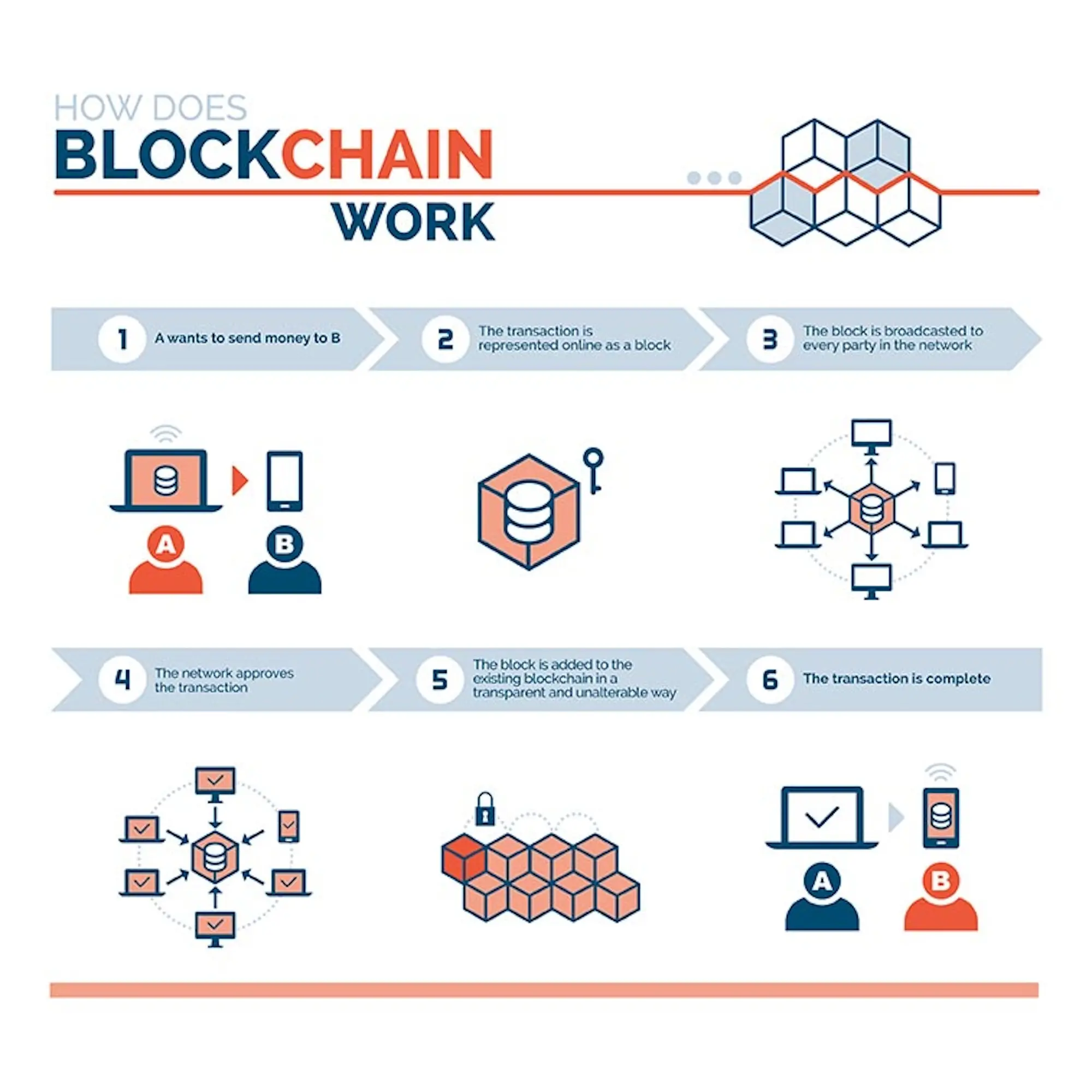
The emergence of blockchain technology can also be a great tool for improving payment security at scale, and the use of distributed digital ledgers that cryptographically encrypt transaction data is immutable due to its decentralised nature.
Because blockchains are populated by globally positioned nodes, to make unauthorised changes to recorded data, a cybercriminal would need to simultaneously hack enough machines to reach a consensus in a virtually impossible feat.
Blockchain is likely to become more commonplace in the field of payment security over the coming years, and for healthcare firms seeking to shore up their payments sooner rather than later, it’s worth seeking ways to implement blockchain-based solutions for added peace of mind.
Maintaining Compliance
Compliance and security go hand in hand, and with healthcare payments among the most heavily regulated throughout global economies, it’s important for facilities to continually meet the standards set by their respective domestic and international bodies.
With regulators constantly seeking to stamp out instances of fraud in the industry and the matter of Payment Card Industry Data Security Standards (PCI-DSS) to follow, accommodating tools to ensure compliance is imperative.
Fortunately, cloud technology is capable of providing live compliance monitoring solutions for healthcare providers from within their point-of-sale hardware in what’s known as POS.
For healthcare firms, POS providers can actively conform to PCI-DSS requirements as a standard to safeguard sensitive information sustainably and protect against possible data breaches.
Security as Standard
With 56% of healthcare providers allocating less than 10% of their IT budgets towards security, many facilities are actually putting the well-being of their patients at risk.
While there’s a diverse range of POS systems and payment providers out there, prioritising platforms that offer more comprehensive cloud-based security solutions can be an excellent way of caring for patients and safeguarding against disastrous breaches in the future.
Although healthcare budgets can be stretched in a highly competitive and dynamic industry, security-focused solutions should be considered essential in providing comprehensive levels of care.
It’s for this reason that it will pay for healthcare providers to begin seeking to accommodate next-generation payment security today, rather than risking a damaging cybersecurity threat emerging tomorrow.
Feature Image by Werner Moser from Pixabay