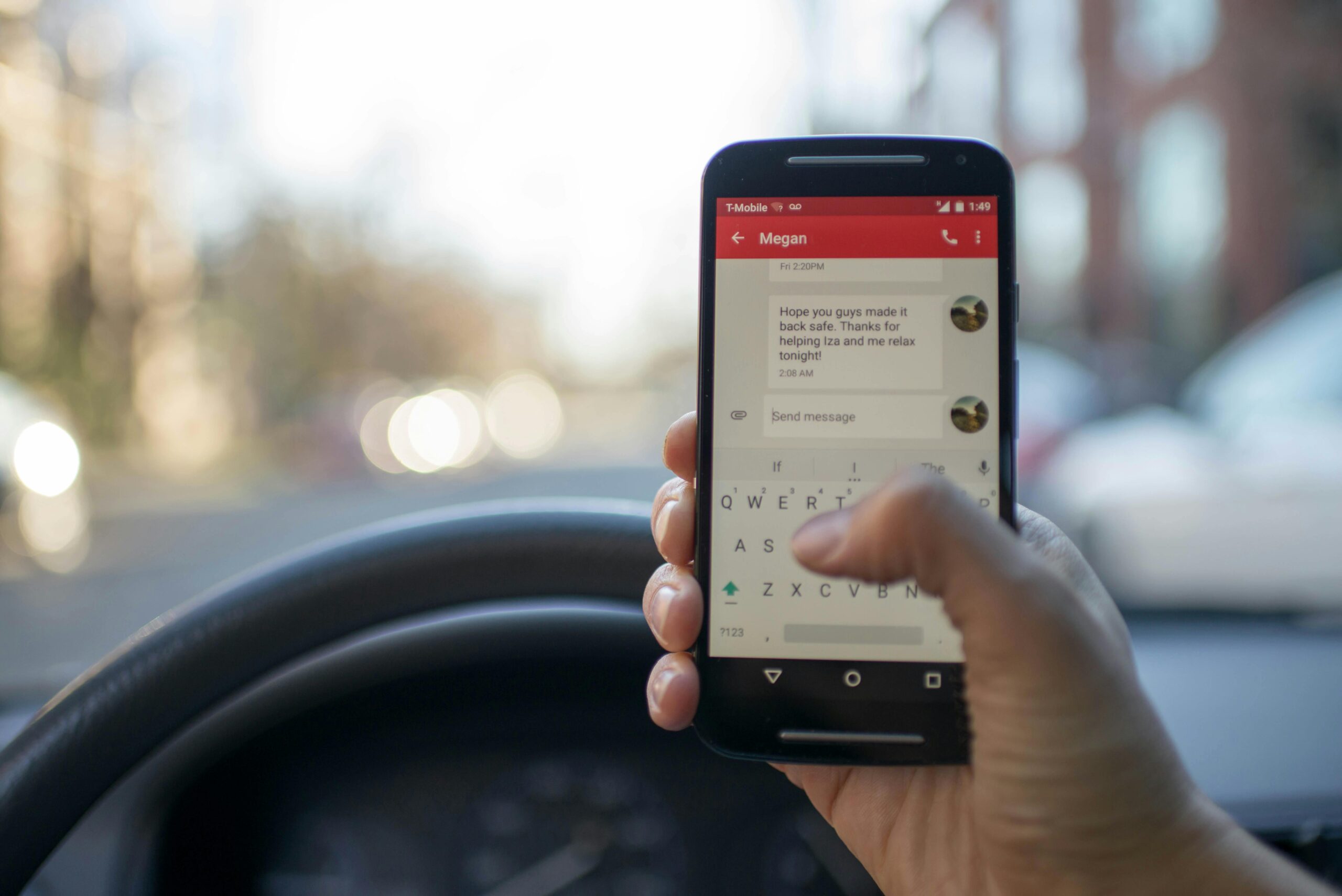

Mobile marketing has become one of the most effective ways for businesses to connect with customers in real time. With smartphones being an integral part of daily life, messaging offers a direct and personal channel to engage audiences, deliver promotions, and build stronger relationships. Unlike traditional advertising, messaging allows brands to communicate instantly and interactively, creating opportunities for meaningful engagement. To maximise the impact of mobile marketing campaigns, businesses must understand how to use messaging strategically, blending personalisation, technology, and creativity.
Understand the Role of Messaging in Marketing
Messaging is more than just sending updates—it’s about creating conversations. In mobile marketing, messages can serve multiple purposes: announcing new products, sharing exclusive offers, providing customer support, or even gathering feedback. The immediacy of messaging makes it a powerful tool for driving engagement, as customers are more likely to read and respond to messages than emails or social media posts. By positioning messaging as a two-way communication channel, businesses can foster trust and build stronger connections with their audience.
Personalisation Drives Engagement
One of the key advantages of messaging is the ability to personalise communication. Customers expect brands to understand their preferences and deliver relevant content. Personalisation can be as simple as addressing recipients by name or as advanced as tailoring offers based on purchase history. When messages feel customised, customers are more likely to engage and take action. Businesses should leverage data analytics to segment audiences and deliver targeted campaigns that resonate with specific groups. Personalised messaging not only increases conversion rates but also enhances customer loyalty.
Leverage Technology for Efficiency
Technology plays a crucial role in scaling mobile marketing campaigns. Platforms and tools designed for messaging can automate processes, track performance, and integrate with broader marketing strategies. For example, using whatsapp api allows businesses to send secure, multimedia-rich messages directly to customers, enabling them to share images, videos, and interactive content. This enhances the customer experience and makes campaigns more dynamic. Automation tools also help schedule messages, manage responses, and analyse engagement metrics, ensuring that campaigns remain efficient and effective.
Create Value in Every Message
To keep audiences engaged, every message must provide value. Customers quickly disengage if communication feels repetitive or irrelevant. Instead of focusing solely on promotions, businesses should aim to inform, entertain, or solve problems. For instance, a restaurant might send recipes or cooking tips alongside special offers, while a retailer could share style guides or product care advice. By consistently delivering value, businesses position themselves as trusted partners rather than just sellers. This approach strengthens relationships and encourages customers to remain engaged over time.
Encourage Interaction and Feedback
Messaging should not be a one-way street. Encouraging interaction transforms campaigns into conversations, making customers feel involved and valued. Calls to action, such as asking recipients to reply, click a link, or participate in a poll, invite engagement and provide valuable insights. Interactive campaigns can also generate excitement, such as contests or quizzes delivered through messaging platforms. Feedback gathered through these interactions helps businesses refine their strategies and better understand customer needs. By fostering dialogue, messaging campaigns become more dynamic and impactful.
Conclusion
Messaging is a powerful tool for mobile marketing campaigns, offering immediacy, personalisation, and interactivity that other channels often lack. By understanding its role, focusing on personalisation, leveraging technology, delivering value, and encouraging interaction, businesses can create campaigns that resonate with customers and drive meaningful engagement. When used strategically, messaging transforms marketing from simple communication into a relationship-building tool, helping brands connect with audiences in ways that are both effective and enduring.