
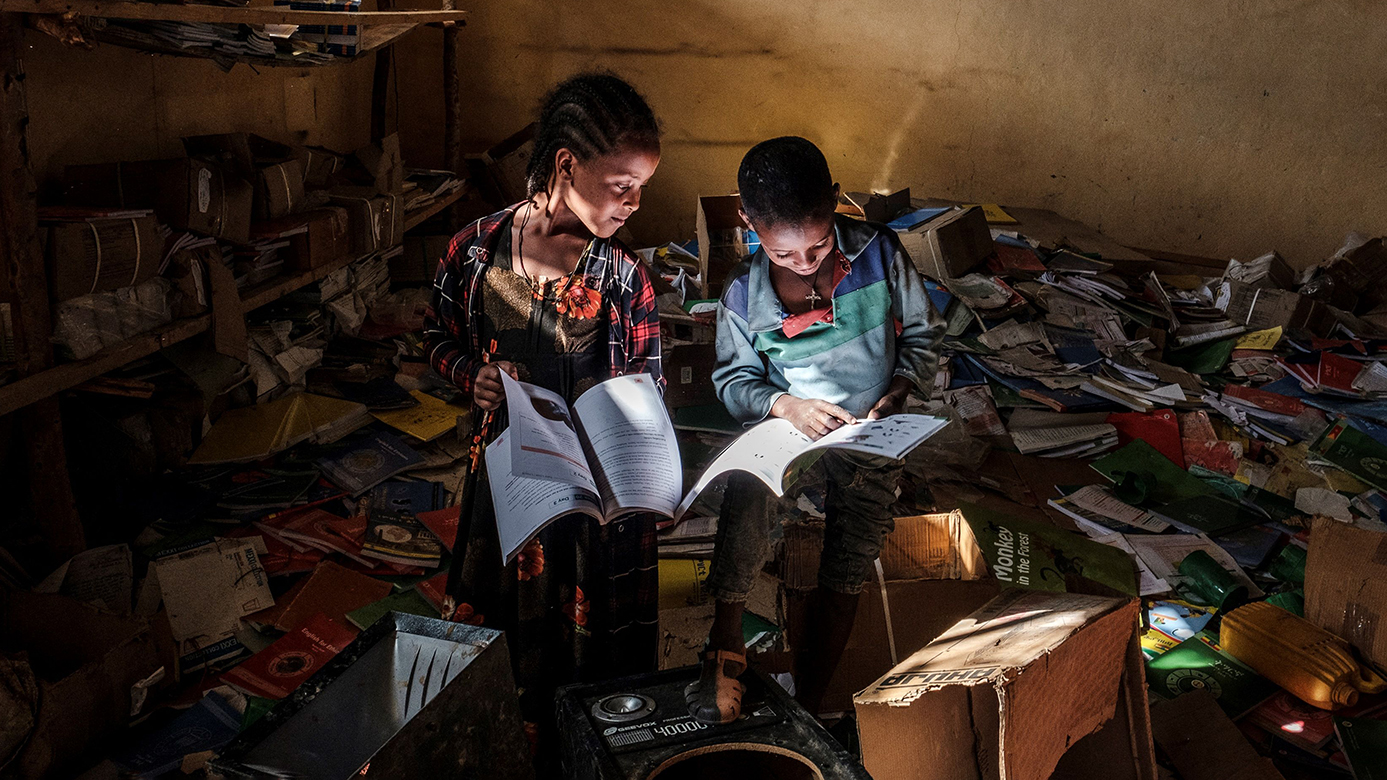

It is a changed world that is facing education more than ever. Wars, political conditions, and economic tensions are affecting the traditional learning systems. Rising inflation, currency fluctuations, and increasing costs are making access to quality education more difficult in many countries.
Meanwhile, online platforms are becoming essential. A high number of learners are opting to use online solutions such as online learning platform UK in order to pursue education. Online education has enabled students to have access to the courses, develop strengths and stay abreast of the courses even when the formal classes are not in operation. This is not just a regional change, it is occurring on an international scale.
Economic Pressures and Learning Choices
Inflation impacts families everywhere. The increasing prices of goods like food, housing, and basic needs compel the households to rewild on the importance of education. There is no longer a possibility of a costly education in a nice private school or university tuition fees.
This has contributed to increasing the demand for online education. Learners and workers are seeking cost-effective alternatives that would not affect the quality of learning. Online portals enable students to pursue their studies without additional expenses on transportation, books, and houses.
Conflict and Political Instability
Schooling is disrupted through war and political instability. There might be school shutdowns, postponed university semesters and limited resources. Children and youths are in a position to undergo stress and not know what is in store.
In such cases, continuity is offered in online education. Students are able to receive their studies at the comfort of their homes, study at places that suit them and do courses where the local institutions are not available. This renders the digital platforms a lifeline in turbulent times.
Global Impact of Inflation
Inflation is not limited to one country. Education all over the world is impacted by the global economic changes and energy prices, as well as disruptions in supply chains. Every-family is learning to live with the increase in cost and students are trying to find ways of going on with the learning that will not cost them money.
Solutions to this problem are available online where flexible pricing, mobile ports and courses are offered at self-paced. This will enable learners in various countries and financial situations to pursue their studies even when there is financial meltdown.
Technology as an Equaliser
Digital tools are helping bridge the gap created by conflict and inflation. Mobile phones, low bandwidth learning systems and on-demand content enable education to be delivered to isolated or underserved areas.
It is now possible to have international instructors, global resources and students can work with others across the world. Such connectivity broadens horizons and opens up new possibilities of development both personally and professionally.
Adapting to Change
The combination of war, inflation, and economic change is forcing education systems to adapt. Conventional theories are losing their usefulness and internet-based platforms are developing and conforming to the demands of the learners.
Trends include:
- Learning mobile-first solutions.
- Training courses with low charges and where learning is at the learner pace.
- Offline connectivity in the low-internet regions.
- International cooperation and transnational classes.
These are the adaptations that are strengthening education and making it more inclusive than at any other time.
Preparing Learners for the Future
The world is unstable and students have to adjust to make ends meet. The more the skills are flexible, digital and globally relevant, the more they get valued. Online learning prepares students with the means by which they will tackle uncertain economic and professional situations in addition to political instability.
Examples such as CourseEasy are assisting students across the globe to acquire skills, complete certifications and career preparations even in times of crisis. They make it possible for education to continue, regardless of borders, inflation, or conflict.
Conclusion
War, inflation, and economic change are reshaping education globally. Old systems find it hard to maintain continuity, flexibility, and access, whereas online learning makes it available.
Online platforms are not a one-time fix, but a new component of the education system that has been and is being adopted across the world. With current changes in the economic and political state of affairs, online education makes learning a possibility, accessible, and flexible.
Online education is not anymore convenient, it is a necessity to create a strong and competent world population.







