
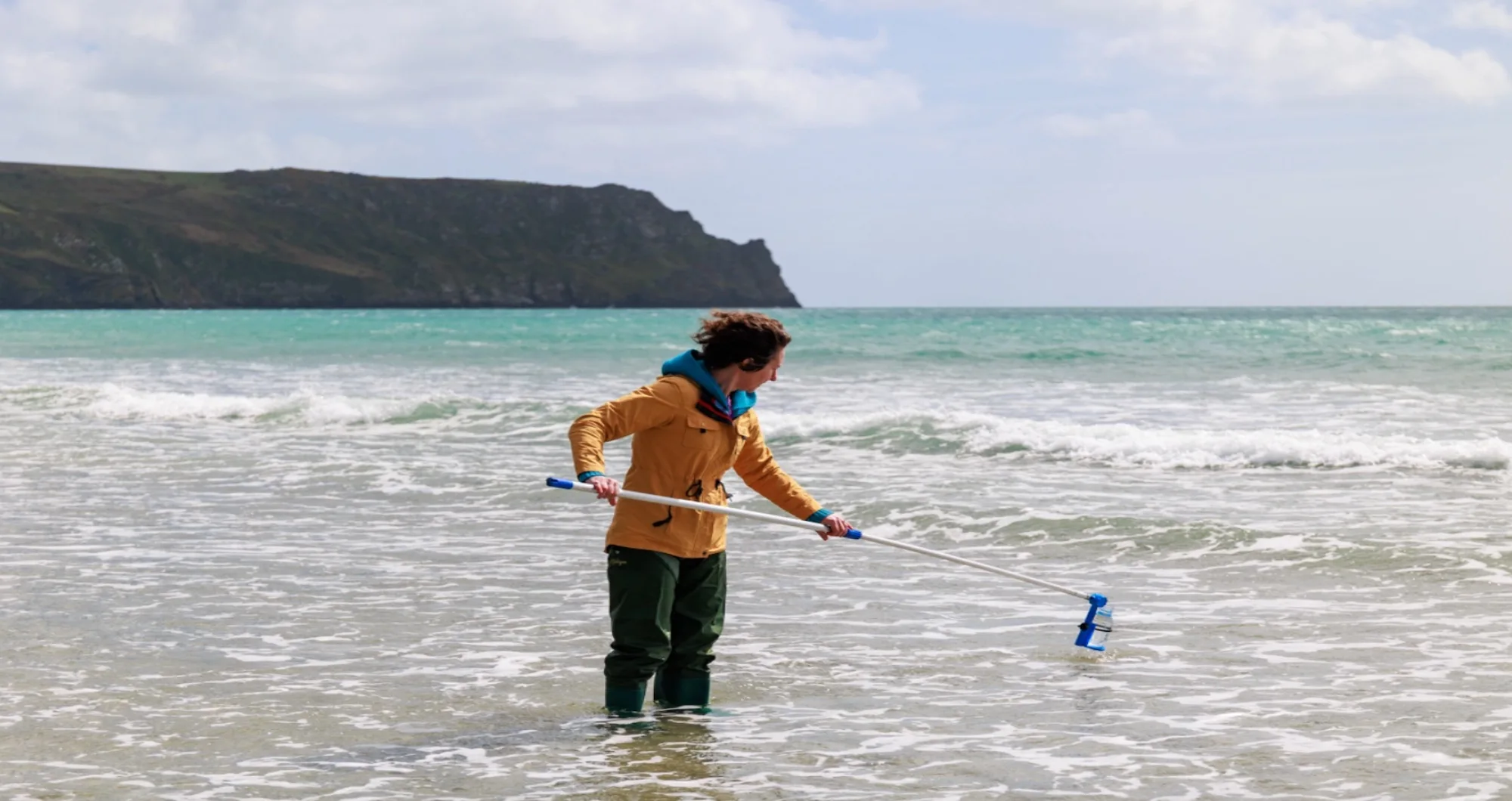

Local authorities are now responsible for looking after public bathing waters and the health of their users, according to directives from the Environment Agency. There are currently 317 local authorities across the UK, made up of county councils, district councils and unitary authorities.
The bathing water season officially began last month on May 15, with the Environment Agency testing water quality 8 times during the season at designated bathing sites across the UK.
A recent critical review authored by members of Defra and the University of Reading indicates that bathing waters in the UK are suffering from increasing pollution, sewage overflow and run-off from agricultural land. It suggests that such events generate spikes in bacteria including E. coli, intestinal Enterococci and others such as Salmonella typhi (typhoid fever) and Leptospira (Weil’s disease). With waterborne diseases in the UK increasing 60%, this poses serious health risks to bathers. With coastal and wild swimming becoming more popular, the review urges local authorities to make use of improved forecasting techniques to identify the dangers from contaminants. [Sources: https://wires.onlinelibrary.wiley.com/doi/epdf/10.1002/wat2.1718; https://www.reading.ac.uk/news/2024/Research-News/Swimming-in-sewage-Bathing-forecasts-not-keeping-people-safe]
High standards of water quality at swimming locations and efficient, accurate testing methods are crucial for the public to safely enjoy outdoor bathing areas. As well as swimmers, poor water quality can affect water sports and activities such as surfing, kayaking, and canoeing.
Currently, water quality testing relies on a culture of ‘faecal indicator bacteria’ (E. coli and Enterococci) that requires testing in a laboratory and takes up to 48 hours to get results with a compromise of the bathers’ health as they will have been exposed to high numbers of bacteria before a result of water quality is known.
Molendotech [https://molendotech.com/], a spin-out company from the University of Plymouth, has recently developed a portable testing kit called Bacterisk. The kit gives a rapid risk assessment of water quality in the field for the first time, with results available in just 15 minutes. Bacterisk uses patented endotoxin detection technology, eliminating the wait involved in lab testing while avoiding the need to grow live bacteria. This means not only rapid results, but also that more frequent testing is now possible.
The new technology also offers more accurate testing than standard methods, which focus on assessing the presence of E. coli and Enterococci only. In contrast, Bacterisk will also indicate the risk of a variety of pathogens in water that can cause diseases such as Weil’s Disease (Leptospira) and typhoid (Salmonella) plus Vibrio Vulnificus (serious infections).
Molendotech is currently in talks with water boards, action groups and the Department for Environment, Food & Rural Affairs (Defra) about how the device can be implemented to ease concerns over public health during the bathing season.
Communities are best placed to access the kit through the local providers and authorities now responsible for safeguarding public health. In other geographies across the UK, companies such as the Western Rivers Trust are starting to use the kit to test local bathing sites and safeguard public health.
Local authorities looking to do the same under this new responsibility are encouraged to speak with providers like the water utility covering the area and require the support of water quality assessment providers such as Molendotech about implementing the latest innovations in water quality testing.
More information can be obtained at: www.backterisk.com and www.molendotech.com or by contacting [email protected]







