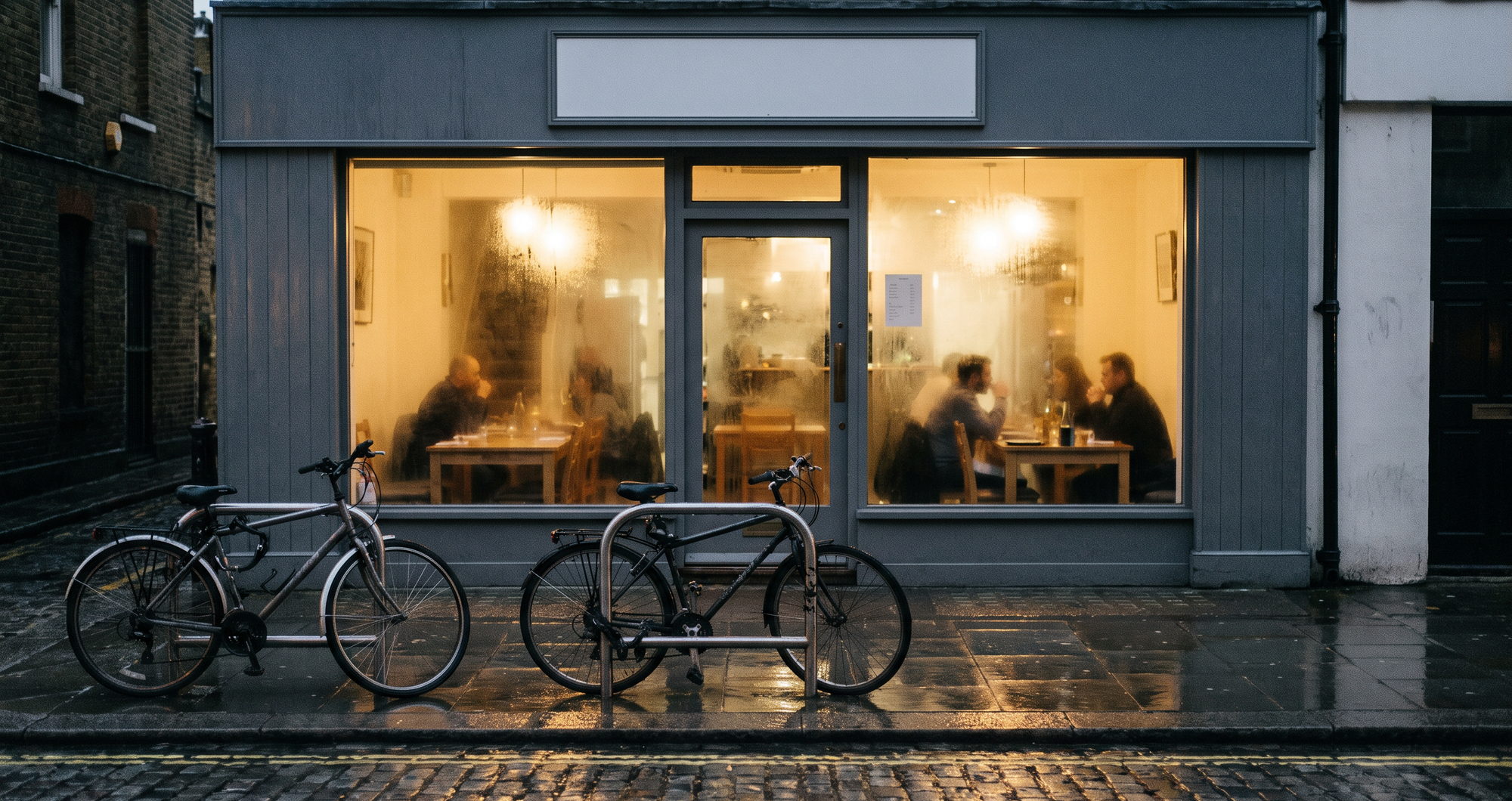

London recorded 195 new restaurant openings in the year covered by the 2027 edition of an annual London restaurant guide, the second-highest annual total in the guide’s 36-year history. Closures rose to 118 over the same period, leaving net growth of 77 sites.
The openings figure is up from 146 in the year covered by the previous edition, a rise of 34 per cent, and stands behind only the 200 recorded in 2016. The closures total is second only to the 125-a-year average the guide recorded during the pandemic.
Simpson’s on the Strand, Jeremy King’s restoration of the Edwardian site, was the most commented-on arrival in the guide.
Other launches it cites include Lilibet’s in Mayfair, Martino’s on Sloane Square and Brasserie Constance in Fulham.
How the counts are made
The figures are the guide’s own counts of independent restaurants it tracks in the capital, not a census of the whole market. They cover the 12 months addressed by the 2027 edition, which is the guide’s 36th, and they record openings and closures among the restaurants it follows.
That scope matters when the totals are read against the wider industry. A count built from a guide’s own listings will register churn among independent rooms that a broader measure might smooth out, and it can move for reasons unconnected to the whole market.
Both totals are counts of sites rather than of covers or turnover, so a large restaurant and a small one weigh the same, and the count is published with the edition rather than as a separate statistical release. That limits what the figures can say about the money moving through the sector, even as they describe how often rooms change hands.
The guide’s editor, said the numbers showed that investors still saw profit in London despite industry warnings about costs, and he questioned whether the boom could last.
Churn rather than growth
Read together, the two totals describe churn rather than simple expansion. Gross openings at a 10-year high and closures close to a record left a net gain of 77, a much smaller figure than the openings number suggests.
The movement on last year is 49 extra openings. Against 2016, the current total is five short of the record, and against the pandemic years the closure figure is seven below the average recorded then.
Capital is still willing to back new rooms in London, on this evidence, while closures at this level suggest that many of those rooms will not survive. Both can be true in the same 12 months.
Cited launches spread from Mayfair and Sloane Square to Fulham and the Strand, which suggests the openings were not confined to a single district of the centre.
What happens next
Publication of the counts comes with the 2027 edition, and the next edition will show whether the opening rate held. Industry warnings about costs bear mainly on the closure side of the ledger, which is where any change would show first.
For a market of this size, 77 net new sites is a modest addition against a gross figure of 195, and the gap between the two columns is where the guide’s caution comes from. Next year’s totals will show whether the balance has shifted.
Diners see a market that gains sites quickly and loses them quickly. For operators, the net figure of 77 is the number that describes the size of the market they are competing in.