
The travel experience has changed. Gone are the days when luxury was measured solely by marble and unlimited champagne. Today, true privilege is defined by disconnection, holistic health, and the certainty that our visit benefits the destination. The major tourism hubs in the Americas, from the Pacific coast to the heart of the Caribbean, are responding to a demand from travellers who seek to feel good and do good, marking the beginning of the era of Conscious Luxury.
The global tourism industry has undergone a significant transformation. Following periods of introspection, the high-end traveller is prioritising transformative experiences over merely ostentatious ones. This new paradigm has forced established destinations like Cancún and exclusive retreats like La Romana and Los Cabos to redefine their offerings, while places like Holbox, with its leisurely pace, have unintentionally become the new standard for authenticity.
I. Los Cabos: The Sanctuary of Wellness and Culinary Luxury
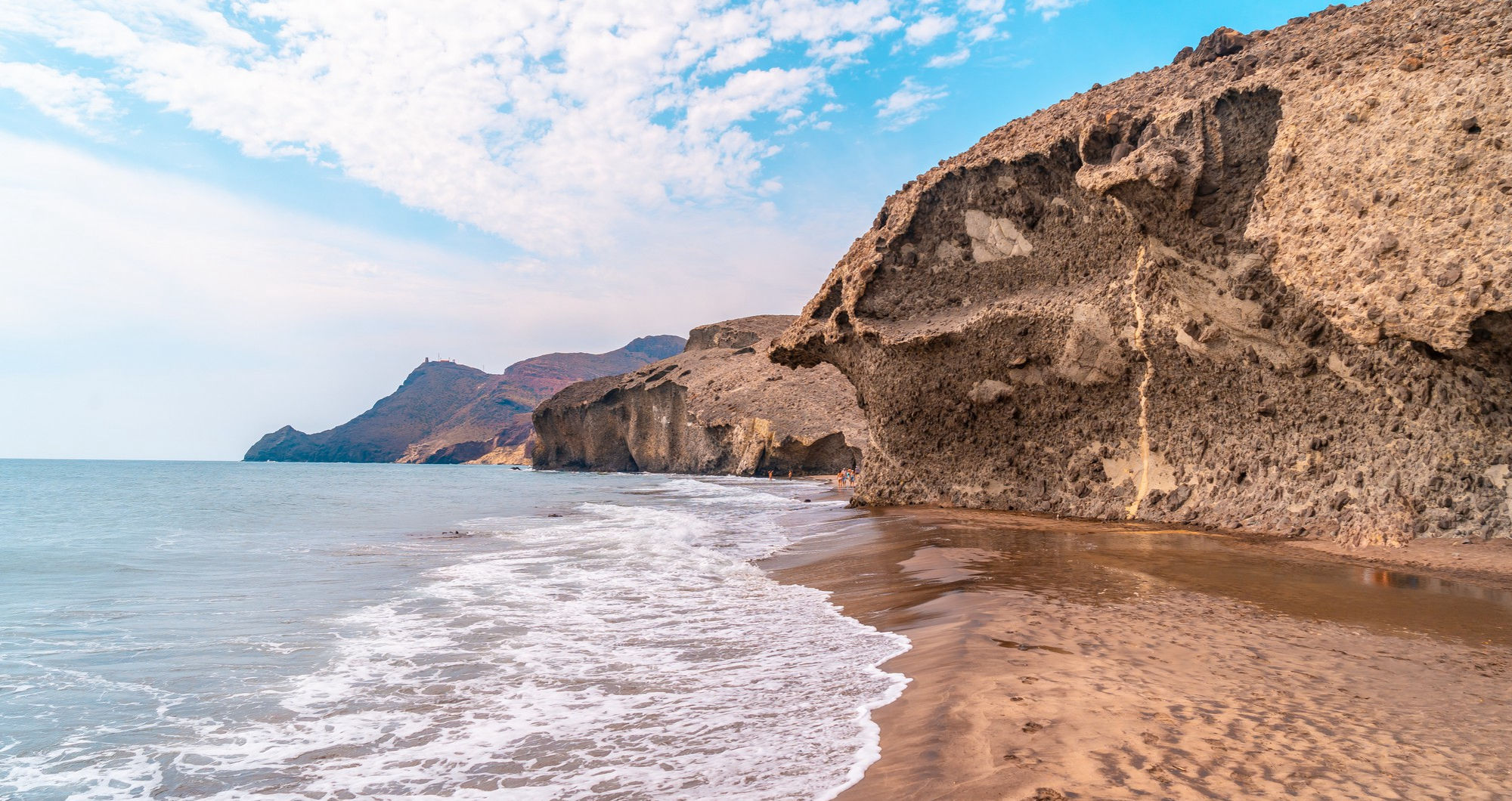
If there is one destination in the American continent that has organically merged luxury with wellness, it is the corridor between Cabo San Lucas and La Paz (An efficient way to travel from Los Cabos to La Paz is to arrange transportation from Los Cabos Airport to La Paz), collectively known as Los Cabos. Historically a celebrity retreat, this enclave on the Baja California Sur peninsula has raised its stakes by becoming a true wellness centre.
Luxury here is manifested in silence and integration with a dramatic desert landscape that meets the Sea of Cortez. The resorts don’t just offer spas; they propose longevity retreats and personalised health programs, based on ancestral Mexican medicine and modern therapies. The architecture is a statement of principle, with designs that utilise local materials and blend seamlessly into the natural surroundings, offering unparalleled views of the desert and ocean meeting point.
The Baja Med Culinary Revolution
A fundamental pillar of the new luxury in Los Cabos is gastronomy. Far from the “all-inclusive” concept, the region has positioned itself as a world-class culinary destination. Baja Med cuisine, a fusion of Mediterranean ingredients with fresh Pacific produce, takes centre stage. Internationally renowned chefs have opened restaurants in the most exclusive hotels, elevating dinner to a cultural and sensory experience. Today’s diner is willing to pay for the traceability and freshness of the ingredients, to know that the produce was harvested on a nearby farm or fished that same morning. Los Cabos embodies how luxury has shifted from quantity to conscious quality.
II. La Romana: Exclusivity with Conscience in the Caribbean
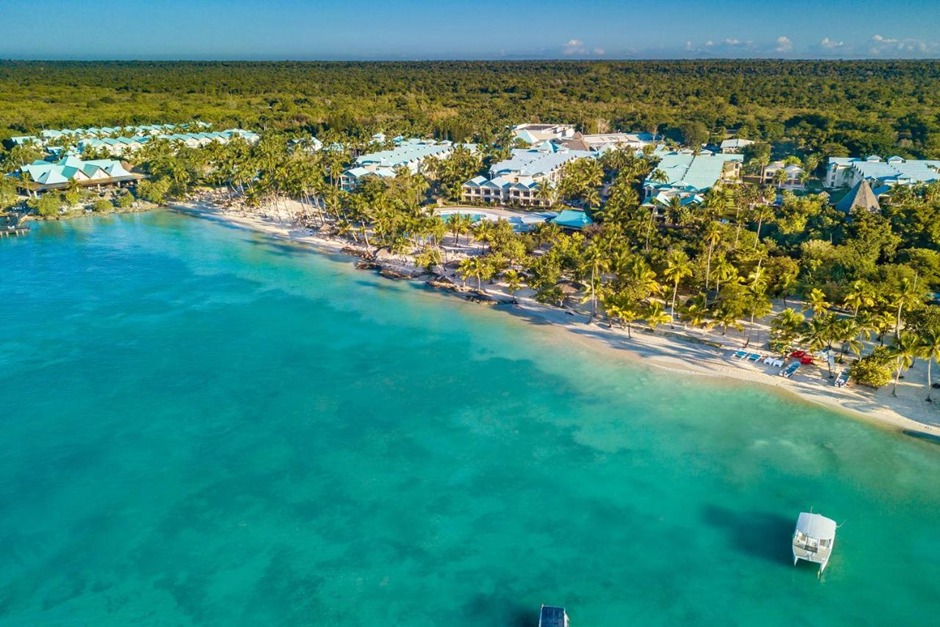
At the other end, in the Dominican Republic, La Romana offers a different perspective on Caribbean luxury, one that distinguishes itself from the mass appeal of Punta Cana by focusing on privacy and sports.
La Romana is a city and province on the southeastern coast of the Dominican Republic. It is situated on the Caribbean Sea, roughly 70 miles east of the capital city, Santo Domingo. The area is internationally famous for the luxurious Casa de Campo resort and the beautifully recreated 16th-century Mediterranean village, Altos de Chavón. An economical and quick way to transfer from Punta Cana Airport to La Romana is to book a transfer service by Punta Cana Airport Transfers.
Traditionally anchored by the Casa de Campo complex, La Romana represents discreet luxury and residential exclusivity. Travellers to this destination don’t just seek beaches; they seek a temporary lifestyle that combines the world’s best golf (like the famous Teeth of the Dog) with private nautical activities.
The Community and Cultural Focus
La Romana, however, has also joined the conscious wave through cultural preservation. The Altos de Chavón complex, a replica of a 16th-century Mediterranean village, is not just a tourist attraction; it houses a design school that promotes local Dominican art and talent. La Romana demonstrates that in the Caribbean, exclusivity is now linked to patronage and the preservation of cultural identity, offering high-end guests an experience that transcends sun and sand, focusing instead on history and art. This commitment to culture and the arts is the new differentiator in its luxury offering.
III. Cancún: The Reinvestment of the All-Inclusive Giant
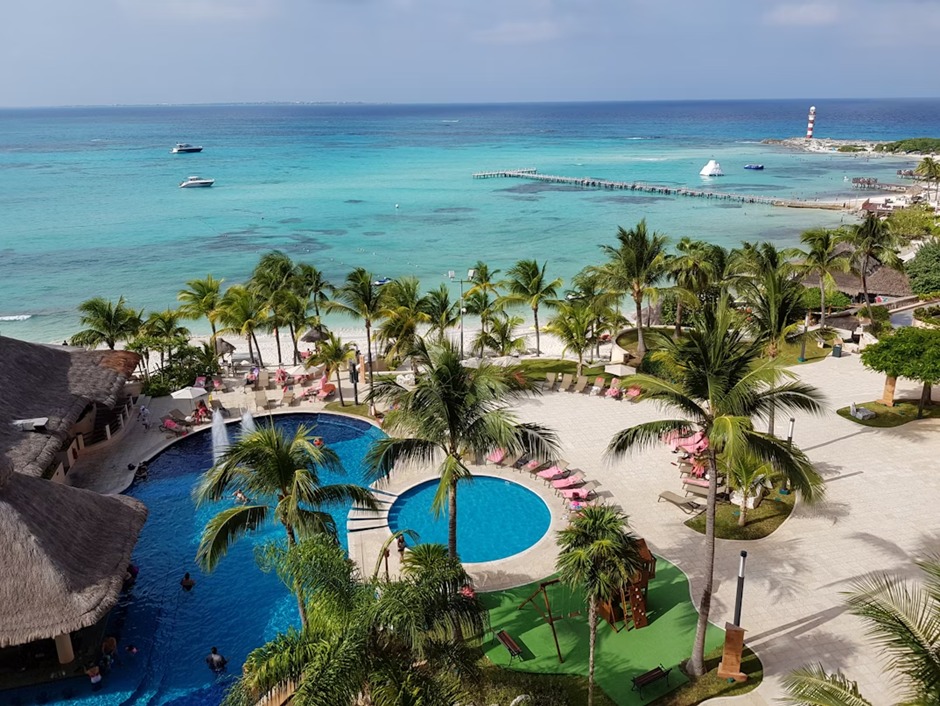
Cancún, the epitome of Caribbean tourism, is in full metamorphosis. As the most booked destination in the Americas, it cannot ignore the new demand for premium and sustainable experiences. Cancún’s “new era” is one of reimagination.
Major hotel chains have responded with a surge of new resorts and renovations that elevate the “all-inclusive” concept to hyper-luxury levels. Now, the Cancún guest expects:
- Personal butlers and wellness concierges.
- Signature culinary offerings with restaurants-within-the-hotel led by acclaimed chefs.
- Bioregional architectural design, featuring environmental certifications and a drastic reduction in single-use plastics.
Cancún is proving that mass appeal is not incompatible with quality, provided there is investment in smarter, more conscious infrastructure. The new luxury resort offerings in the Riviera Maya focus on privacy within scale, providing adults-only zones or suites with private plunge pools that simulate a secluded villa.
The vast majority of hotels are located in the hotel zone of Cancun or nearby cities. An economical option for getting to hotels from the airport is to book a taxi from Cancun Airport.
IV. Holbox: Slow Luxury and the Charm of Authenticity
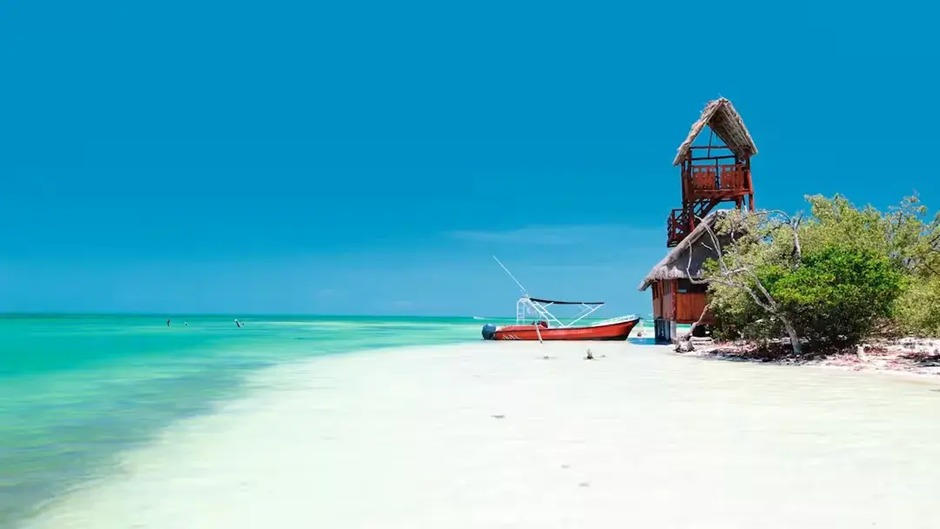
In sharp contrast to Cancún’s density, the island of Holbox (part of the Mexican Caribbean) has become the beacon of “Slow Luxury.” It is the destination that promotes JOMO (Joy of Missing Out) over FOMO (Fear of Missing Out).
Luxury in Holbox is absent: absence of cars, absence of high-rise buildings, absence of noise. The true experience of value is the direct connection with nature:
- Swimming with the whale shark: A controlled and regulated nature experience that has become a must-do.
- Conscious Boutique Hotels: Small inns and rustic-chic hotels operating under strict sustainability principles (solar energy, zero plastic, mangrove conservation).
The rise of Holbox underscores the trend that travellers are no longer just looking to escape, but to disconnect and return to the essentials. Prices in Holbox, despite its simple infrastructure, have risen precisely because of the scarcity of this type of authenticity and the exclusivity of its isolation. It is proof that conscious tourism, when managed properly, becomes a high-value product.
To get there, your journey involves a land-and-sea trip. You must first travel to the small port town of Chiquilá. The most common routes to Chiquilá are by bus or transfers from Cancún to Holbox ferry (about a 2-hour drive) or from Valladolid (about a 2.5-hour drive).
Once you arrive in Chiquilá, you will take a public ferry to Holbox. The ferry ride is the final leg and takes approximately 25-30 minutes. Ferries run frequently throughout the day. Upon reaching Holbox, you’ll find that the island has no cars; the main modes of transportation are golf carts, bicycles, and walking.
V. Conclusion: The Future of Premium Travel
Los Cabos, La Romana, Cancún, and Holbox, though geographically diverse and offering different tourism models, converge on one idea: tomorrow’s tourism must be transformative and responsible.
Today’s travel article is no longer just a “what to do” guide, but a report on “how the world is changing and how this destination is adapting.”
| Key Destination | Dominant Trend | Definition of Today’s Luxury |
| Los Cabos | Wellness and Signature Gastronomy. | Exclusivity and Health. |
| La Romana | Residential Exclusivity and Culture. | Privacy and Patronage. |
| Cancún | Renovation of All-Inclusive Luxury. | Comfort, Security, and Hyper-service. |
| Holbox | Slow Travel and Digital Disconnection. | Authenticity and Absence of Crowds. |
Ultimately, luxury has ceased to be a facade and has become a commitment. The destinations that invest in the well-being of their guests and the health of their natural surroundings are the ones that will dominate the premium tourism industry in the next decade. Investment is no longer just in brick and mortar, but in consciousness.