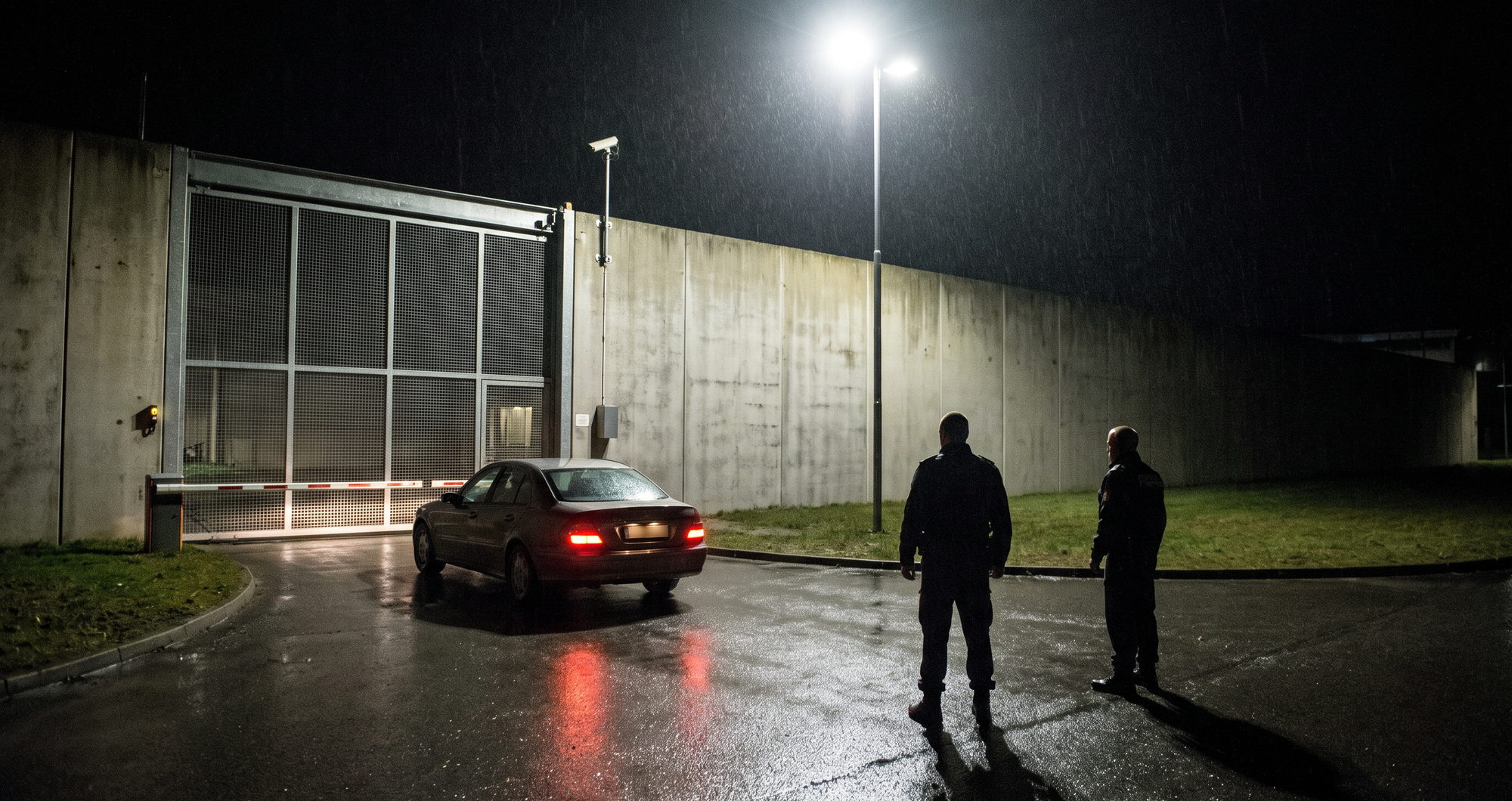

Malaysia’s Attorney-General’s Chambers suspended Najib Razak’s transfer to house arrest late on 6 November, hours after a court cleared the former prime minister to leave Kajang prison. The chambers said it required clarification of the terms of his royal pardon and that he would remain in detention meanwhile.
The day ran in sequence. On 6 November a court cleared the way for house arrest. His party, UMNO, then said the 50 million ringgit (US$12.32 million) fine required under the pardon had been paid that day, with part of the sum raised by crowdfunding. Late in the evening the chambers intervened, seeking a temporary suspension of the order while it satisfied itself about what the pardon required.
Each side has set out its position in plain terms. Its position is that the transfer stays suspended until the pardon is clarified, and that the former prime minister remains in prison until then. His legal team says the release process was already under way when the chambers acted, and characterises the intervention as a disregard of the King’s order.
Both accounts can be read against a single sequence of events: a court order permitting release, a payment said to have been made, and an administrative decision to pause. What is in dispute is not whether the conviction stands but who decides when, and on what reading of the pardon, the sentence moves from a prison to a home.
What the pardon provides
King Sultan Ibrahim agreed in September 2026 to a second royal pardon under which Najib would serve the remainder of his sentence at home. The pardon carried the 50 million ringgit fine, which his party said was settled on 6 November. He has been in prison since 2022.
The conviction itself is not in doubt in this process, and neither side contests it. Najib was convicted over the 1MDB scandal. US investigators say up to US$4.5 billion was siphoned from the fund, with more than US$1 billion linked to him. He also faces a separate 15-year prison term and a fine in another 1MDB case, which is under appeal.
A question of authority
The intervention places three kinds of authority in the same frame. Clemency was exercised by the King in September. A court order gave effect to it on 6 November. The prosecutorial arm then asked for time before the order was carried out, and Najib remained in Kajang prison, where he has been since 2022.
That is the substance of the disagreement rather than its tone. The chambers is not asking for the pardon to be set aside, and the legal team is not asking for the conviction to be reopened. The argument is about whether an order that has been made can be paused by the prosecution while its terms are read again, and about how long such a pause may last.
What happens next
He remains in Kajang prison while the clarification is sought. The suspension is described by the chambers as temporary, which means the transfer is delayed rather than cancelled, but no date has been given for when the suspension would end.
For UMNO, the payment was the step expected to complete the process, and the party has said so publicly. The chambers has taken a different view of what completion requires, and the distance between those two positions is now the substance of the case.
The second 1MDB case, with its 15-year term and its fine, continues on appeal as a separate proceeding. The pardon at issue concerns the first case only.