
Concrete remains one of the most widely used materials across construction projects, valued for its strength and durability. However, those same properties present a consistent challenge when concrete is left to harden on equipment, tools, and surrounding surfaces.
For contractors and site managers, managing this residue is not simply a matter of appearance—it has direct implications for maintenance, efficiency, and operational continuity.
The Impact of Residue on Equipment and Workflow
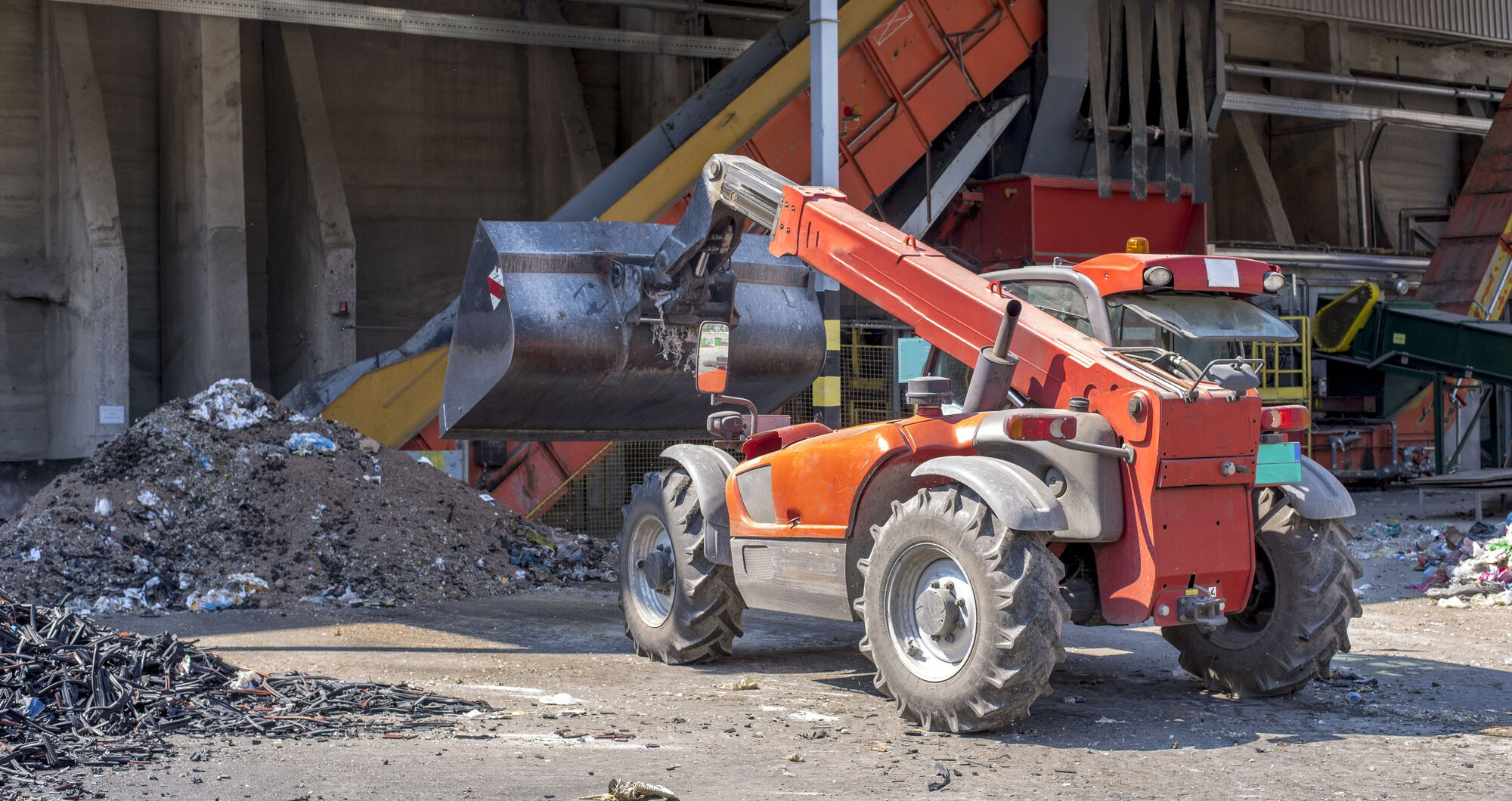
During routine construction activity, it is common for wet concrete to come into contact with mixers, transport vehicles, and hand tools. If not addressed promptly, it hardens and adheres firmly to surfaces, making removal increasingly difficult.
Over time, this can lead to:
- Reduced the efficiency of mixing and transport equipment
- Increased strain on moving components
- Additional cleaning time between operations
- Higher maintenance requirements
In high-frequency operations, even minor build-up can affect productivity and contribute to avoidable downtime.
Limitations of Mechanical Removal
Traditional methods such as scraping or chipping are often used to remove hardened concrete. While effective in certain cases, these approaches carry risks:
- Potential damage to equipment surfaces
- Inconsistent cleaning results
- Increased labour requirements
- Difficulty accessing complex or enclosed areas
As equipment becomes more specialised, the need for less abrasive and more controlled cleaning methods has become more apparent.
Chemical Removal as a Controlled Alternative
In response, many construction teams are incorporating chemical-based solutions designed specifically to break down cement residues without affecting the underlying material.
A targeted concrete remover allows for:
- Controlled dissolution of hardened material
- Reduced reliance on mechanical force
- More consistent cleaning outcomes
- Improved preservation of equipment surfaces
These solutions are typically applied directly to affected areas, where they react with cement compounds and loosen the bond, allowing for easier removal.
Supporting Maintenance and Longevity
Routine cleaning plays a role in extending the operational life of construction equipment. By preventing the accumulation of hardened material, teams can:
- Maintain equipment performance over time
- Reduce the frequency of repairs
- Lower long-term maintenance costs
- Ensure readiness between project phases
This is particularly relevant for assets that are used across multiple sites and require consistent upkeep.
Integrating Cleaning into Site Operations
Rather than treating residue removal as a reactive task, many projects now incorporate it into standard maintenance procedures. This includes:
- Cleaning equipment immediately after use
- Scheduling regular inspections
- Using appropriate materials for different surfaces
- Training staff on proper cleaning methods
A structured approach helps reduce build-up and ensures that cleaning does not interfere with project timelines.
Final Thoughts
Concrete residue is an unavoidable by-product of construction, but its impact can be managed through consistent and appropriate methods. As projects become more time-sensitive and equipment more specialised, the approach to cleaning has shifted from manual removal to more controlled and efficient solutions.
By integrating suitable processes and materials, construction teams can maintain operational efficiency while protecting the tools and equipment that support their work.