
The rise of alcohol-free lifestyle and conscious moderation is no longer a seasonal resolution but a year-round shift in the UK. According to the Low + No Drinking Differently 2025 Report by KAM and Lucky Saint, the trend toward low- and no-alcohol consumption is becoming embedded in the fabric of how Britons drink, socialise, and define wellness.
A striking 76% of UK adults, which is roughly 40 million over-18s, are now actively moderating their alcohol intake, with many choosing low- or no-alcohol alternatives more often. 34% of respondents now practice “zebra striping”—alternating between alcoholic and non-alcoholic drinks during a night out—an increase from 28% in 2024. Furthermore, one in three pub visits is now completely alcohol-free, while 25% of Britons opt for a non-alcoholic final drink in order to stay out longer.
Health remains the dominant driver. 82% of adults cite health and lifestyle improvement as their motivation for drinking less, climbing to 90% among under-35s who actively consider the health impact when choosing drinks at pubs.
Pub Culture Reimagined
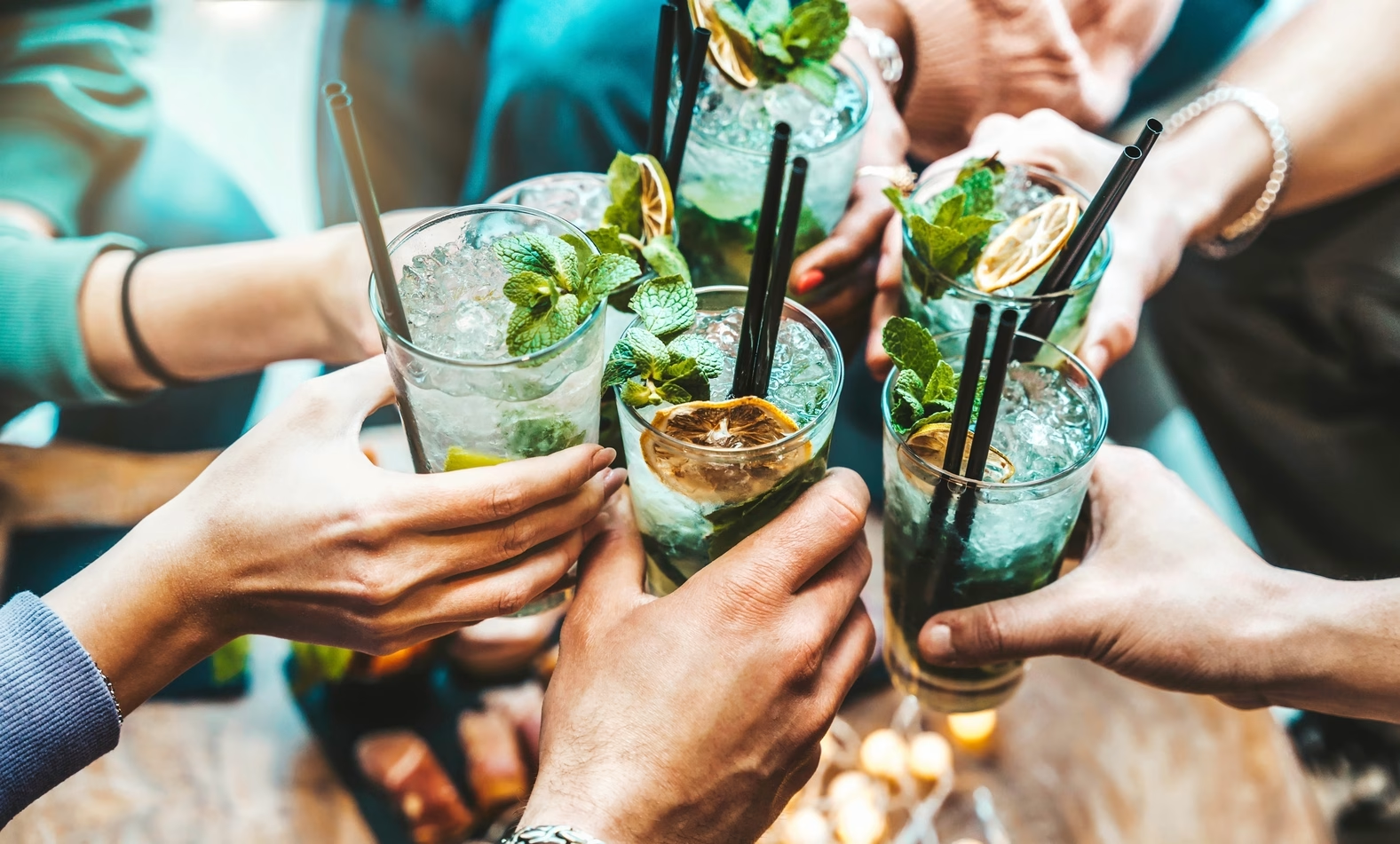
A moderation mindset is tangibly reshaping the UK’s pub culture. Today, four in ten drinks consumed on a night out are not full-strength alcohol. The proportion of adults who say they would order a low or no-alcohol drink has increased to 31%, up from 23% in 2024 and just 9% five years ago. Low- and no-alcohol beer is now the second most popular pub choice, up from seventh place last year.
Yet, the survey findings highlight a gap in the market. 37% of people report leaving social gatherings early in recent months due to poor non-alcoholic options available, up from 31% in 2024. Over a third (35%) say it’s essential for bars and pubs to offer alcohol-free beer on draught, and 59% agree that choosing an alcohol-free option carries less stigma than in the past.
The growing appeal of low- and no-alcohol drinks continues to reshape public expectations, suggesting that pubs and bars with broader alcohol-free offerings may attract greater demand and customer loyalty.
The Rise of Booze-Free Beverages
According to expert reviews, low and no alcohol beverages, once seen as an uncertain category, are now quickly gaining traction around the UK. Insights from the Club Soda Drinks for Everyone 2025 report reveal that nearly half of UK adults (48%) now enjoy alcohol-free beer, wine, or spirits, supporting the evidence that moderation is no longer a niche trend.
Younger generations are leading this change. 37% of 18- to 34-year-olds drink alcohol-free drinks weekly, four times the rate of over-55s (9%). Meanwhile, 56% of respondents want alcohol-free beverages to be more widely promoted as alternatives to alcohol. Alcohol-free beer is named the UK’s top booze-free choice, with 42% of adults drinking it at least occasionally. Among under-35s, one in three opt for it regularly, seeking to stay social without leaning on alcohol.
Hospitality Industry Taps Into Trend
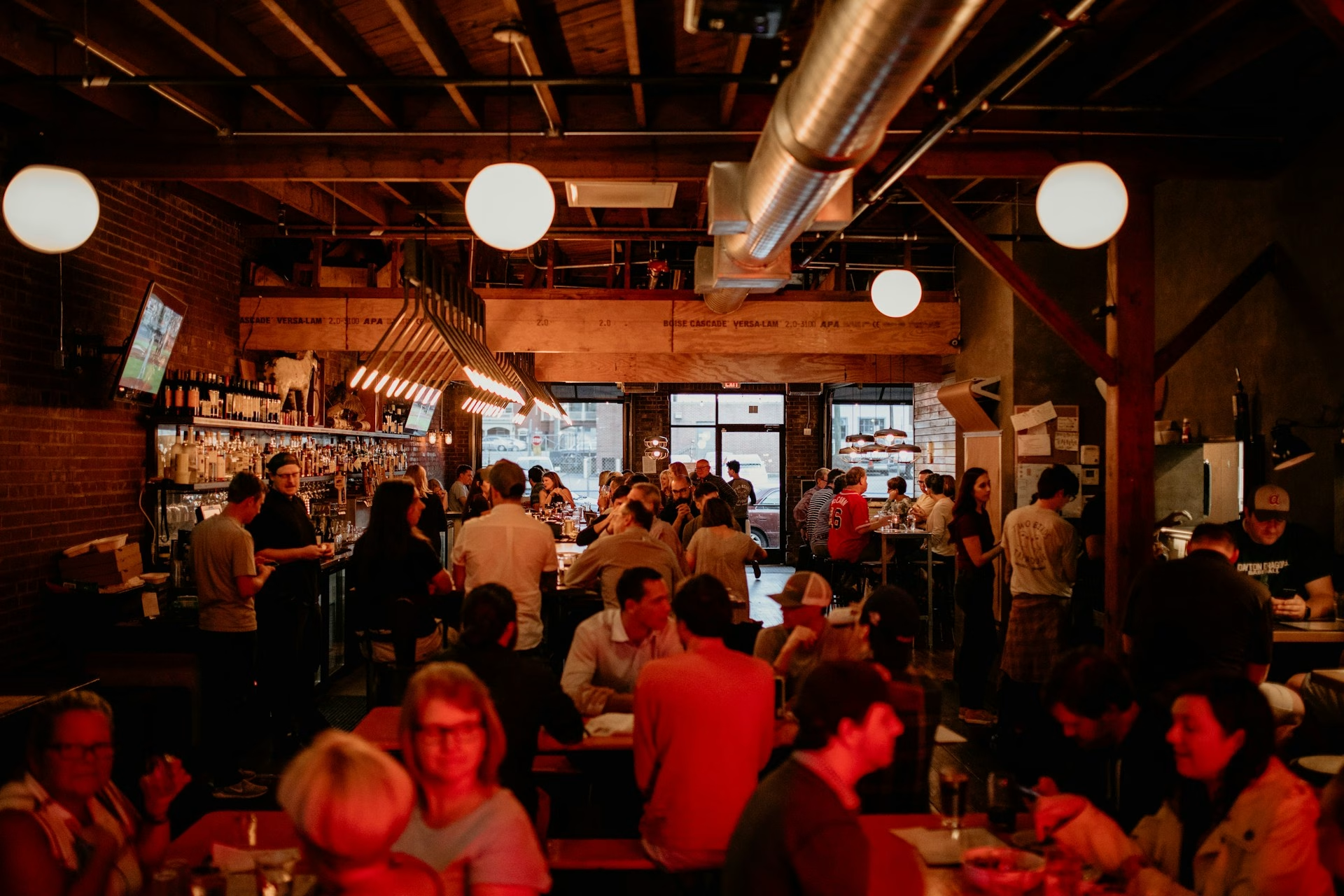
The cultural shift is echoing across the hospitality and brewing industries. Stonegate, the UK’s largest pub group, reported a 32% increase in sales of low- and no-alcohol beers and ciders in the first quarter of 2025. Looking ahead, pubs and bars are projected to pour a record-breaking 33 million pints of low- and no-alcohol beer this summer—an expected 20% rise.
This booming demand is creating both opportunities and responsibilities for venues to adapt, with consumers willing to reward the establishments that offer thoughtful drink options.
Tech and Events Fuel the Movement
The nation’s developing mindful drinking habits are also increasingly supported by tech and event industries. There are a variety of mobile apps now available in the UK that offer features like sobriety counters, journaling, motivational messages, recovery counselling, and access to online communities. Research from the University of Sussex found that six months after completing Dry January, over 70% of participants who used a sobriety tracking app or received coaching advice were still drinking more healthily.
Addressing a growing interest in tech solutions that promote mindful drinking, Try Dry (from Alcohol Change UK) and Quitz encourage users to track their drinking habits, set goals, and make more conscious decisions about alcohol consumption. Apps like Sober Grid offer a platform for connecting with other people on sobriety journeys, providing a sense of community and support, and helping to stay accountable.
The UK’s sober events scene is also rapidly expanding, offering inclusive, alcohol-free spaces for socialising and recreation. Organisations like Sober Events UK host parties and festivals across the country, while Sober Girl Society runs virtual workshops and in-person meetups. Events range from alcohol-free club nights (such as those organised by House of Happiness) to wellness-focused experiences like sound healing and breathwork.
Even mainstream platforms like Eventbrite now list a wide variety of sober gatherings, reflecting a widespread desire for social connection that doesn’t depend on alcohol.