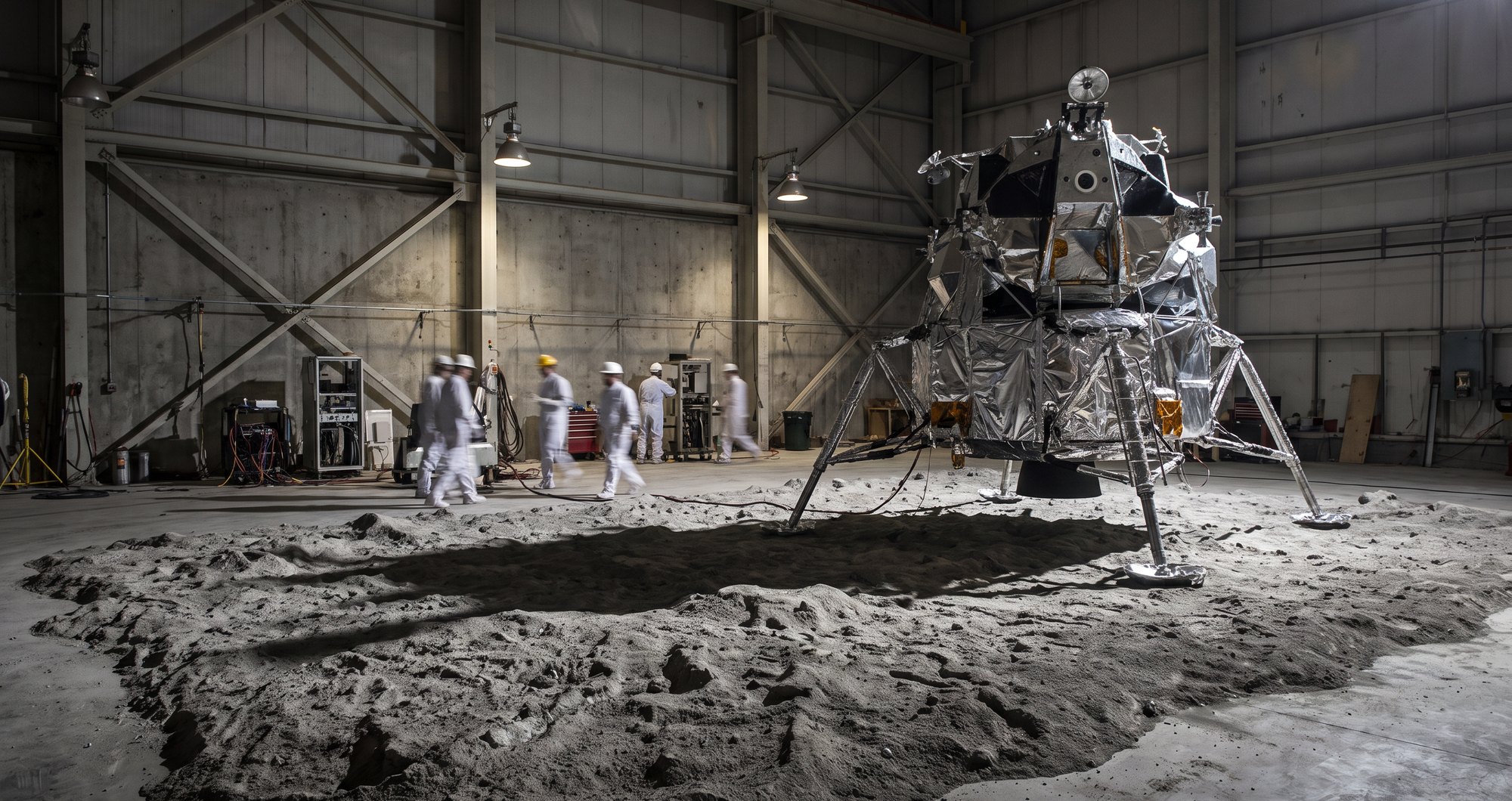

NASA has named eight CLPS 2 lander firms and signalled progress on a nuclear-powered Moon rover, marking a notable development in the agency’s engagement with commercial partners and advanced lunar technologies. The announcement highlights a dual focus: procuring commercial lander services and advancing power systems for robotic exploration on the lunar surface. The combination of these two strands suggests a continued emphasis on both enabling access to the surface and improving the endurance of surface assets.
What was revealed
The agency has identified eight firms to participate in the second phase of CLPS lander work, and separately has moved forward with development related to a nuclear Moon rover. Beyond those two points, no additional firm names, timelines or technical specifications were provided in the facts supplied. That limited set of facts does, however, establish two clear policy directions: a procurement track that relies on commercial lander services, and a technology track that seeks greater persistence and capability for surface rovers.
Commercial landers and industry roles
The naming of eight CLPS 2 lander firms underscores continued collaboration between a national space agency and private industry for lunar surface access. Engagements of this sort are typically intended to provide rides and surface delivery for scientific instruments, technology demonstrations and payloads from a range of public and private customers. By identifying multiple companies, the agency appears to be maintaining a competitive and diversified approach to securing lander services.
Such arrangements can enable a range of actors to place experiments on the Moon without having to develop an entire landing system independently. They also tend to foster a commercial supply chain, with different firms offering varied approaches to descent, landing, and surface operations. The decision to work with several providers can be a risk management strategy, allowing the agency to spread technical and schedule risk across multiple contractors, and to preserve options if individual providers encounter delays or technical challenges.
From an operational perspective, commercially provided landers may permit more frequent deployment opportunities and a wider distribution of scientific and technology demonstration payloads across diverse lunar terrains. The selection of eight firms suggests the agency is seeking a breadth of capability and, implicitly, some resilience in its approach to accomplishing science and exploration objectives on the surface.
Progress on a nuclear Moon rover
Separately, the agency has advanced work on a nuclear Moon rover. While the facts do not specify the nature of the nuclear technology, such developments are generally associated with power and thermal systems designed to operate through the long, cold lunar nights or in permanently shadowed regions where sunlight is minimal. A nuclear-powered rover can potentially extend mission duration, increase mobility and broaden the range of environments accessible to robotic explorers.
Advancement in this area suggests a continued interest in long-duration surface operations and in technologies that overcome the Moon’s challenging thermal and lighting conditions. It may also reflect a desire to prepare for more ambitious science and exploration objectives in future surface campaigns. The work on a nuclear rover therefore complements the push to secure reliable and regular surface access through commercial lander services.
Implications for lunar science and exploration
The twin moves, contracting multiple lander firms and advancing a nuclear rover, point to a multifaceted approach to lunar exploration that combines commercial access to the surface with investment in capabilities that can operate for extended periods. If commercially provided lander services are available at scale, they can help deliver more frequent and distributed payloads to the lunar surface. At the same time, robust power systems for rovers could enable those payloads to be active for longer, to traverse greater distances, or to investigate regions previously inaccessible to solar-powered platforms.
Neither the identity of the firms nor technical and schedule details for the rover were provided in the information available. As a result, the precise scope, timing and cost implications of the moves remain unspecified. Observers will be looking for further details as they emerge to understand how these decisions fit within broader plans for lunar exploration and scientific priorities, and to assess how commercial and government roles will be balanced in forthcoming programmes.
What to expect next
Further announcements would normally be expected to clarify technical roles, delivery schedules, payload opportunities and how the selected firms will interface with mission customers. For the nuclear rover element, additional information would be needed to understand the specific technology being advanced, expected test plans and how any regulatory and safety requirements are being addressed. Until more detail is released, the naming of the eight firms and the note of advancement on a nuclear rover stand as concrete indicators of ongoing activity in lunar surface capabilities.
These developments form part of a continuing conversation about how best to combine public sector goals with private sector capabilities to achieve sustained scientific and exploratory returns from the Moon. The two announcements together point to an approach that seeks to leverage commercial innovation while investing in enabling technologies that can extend the reach and duration of robotic exploration on the lunar surface.