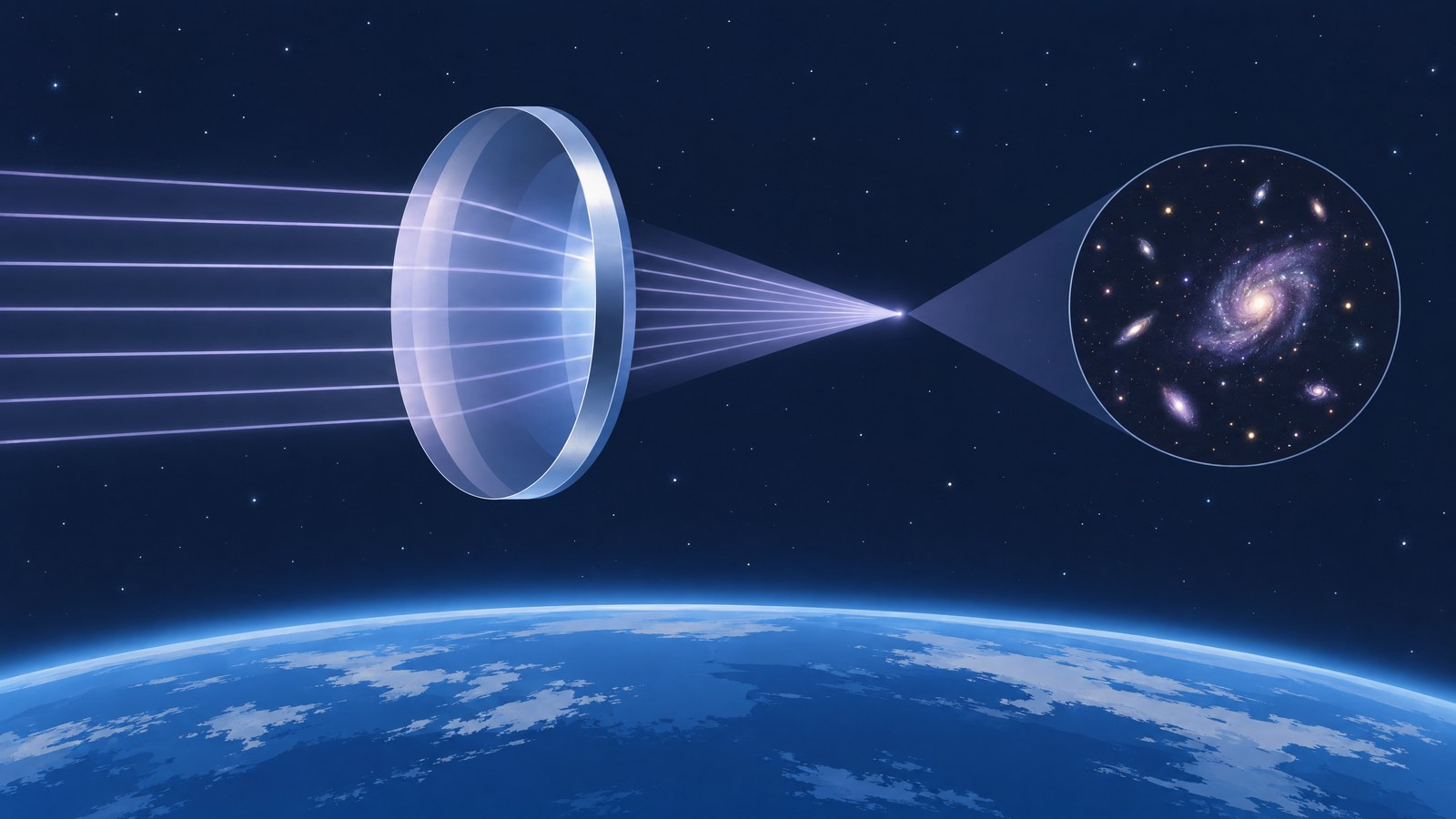

NASA’s Nancy Grace Roman Space Telescope has entered science commissioning after completing a comprehensive checkout and refinement of the observatory and its primary instrument performance. The mission team is now using planned test observations to characterise how the space telescope performs, calibrate how its instruments respond to light and refine image quality before science operations begin.
The transition marks a new stage in preparing Roman for its scientific work. Checkout established that the observatory is functioning: it can hold its aim, take exposures, move between observing targets and transfer data as expected. Science commissioning builds on those basic checks by examining the precision and consistency required to interpret the telescope’s observations.
Tests in challenging parts of the sky
Some early tests addressed whether Roman’s fine guidance system could remain locked on target in visually difficult regions. The system uses individual stars in the direction of observation to help keep the telescope steady. Mission scientists had considered whether closely packed stars, or stars obscured by thick nebular dust, could make that guidance more difficult.
The mission team says test observations in both dense-star and dusty regions have so far shown the observatory performing well. Those results address a practical concern about pointing, rather than representing completed science findings. Stable guidance is important because small movements can affect image sharpness and make it harder to compare observations reliably.
Why calibration and image quality matter
During the current phase, teams are carrying out a series of carefully planned test observations. They will use the data to characterise observatory performance and determine how the instruments respond to light. They are also refining image quality, including the consistency of images from one observation to another.
That consistency matters to the science Roman is intended to conduct. If images vary in brightness or sharpness because of the telescope rather than changes in the objects being observed, researchers could have difficulty distinguishing instrumental effects from real changes in the universe. The team is therefore working to minimise imperfections such as pointing jitter or images that are not in focus before routine science observations begin.
The mission team has said Roman’s observing requirements are stringent, because even small image flaws could obscure the faint signals scientists want to measure. This is why the present work is not simply a final operational check. It is an effort to understand the observatory’s behaviour closely enough that data collected later can be interpreted with confidence.
Preparing for science operations
The telescope’s Wide Field Instrument is designed to survey large areas of sky. The team says its early test observations are already showing how quickly Roman can collect detailed views. Large mosaics of the sky that would previously have been exceptional may become routine, although those expectations are not a substitute for the measurements and calibration still under way.
The mission team says some observatory systems are performing better than their requirements. Further fine-tuning could help scientists understand whether that performance creates additional scientific capabilities. No new capability or science result has been confirmed as a consequence at this stage; commissioning is intended to establish performance and readiness.
Science commissioning is distinct from science operations. Roman has not yet begun its planned routine science programme, and the current tests are part of the preparation for that transition. The work ahead is to complete the performance characterisation, instrument calibration and image-quality refinement needed before the observatory moves into operations.
For now, the successful checkout and initial guidance tests provide a foundation for that work. The mission team will continue using observations to learn how Roman performs across different conditions and to make any needed adjustments. Its entry into science commissioning is a readiness milestone, not the release of first science images or the start of routine observations.