

Author Nick Rosen raises questions over infrastructure spending, regulation and the growing demands of AI data centres in a new history of Britain’s electricity grid.
Ofgem chair Mark McAllister privately acknowledged that National Grid was “gaming the system”, according to a new book by journalist and off-grid energy campaigner Nick Rosen.
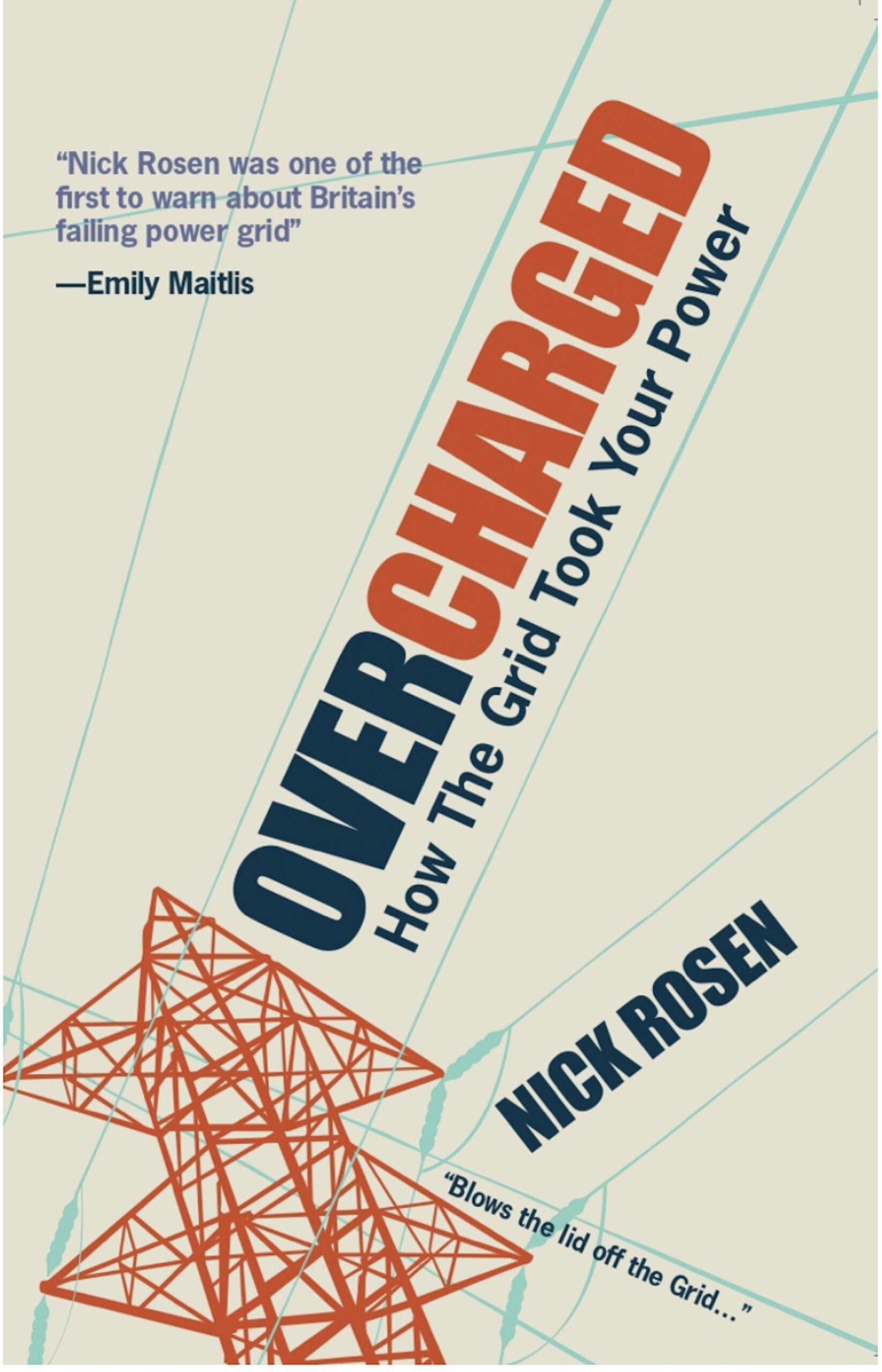
Published on 30 September, Overcharged: How The Grid Took Your Power examines a century of Britain’s electricity infrastructure, arguing that households and businesses have carried the costs of a system that too often puts corporate interests ahead of the public.
Rosen reports that, during a private industry discussion in 2024, McAllister said: “We know National Grid is gaming the system… They think they were born with a silver spoon in their mouth.”
According to Rosen, Ofgem’s press office responded to questions about the remarks by saying that “robust challenge between Ofgem and the companies we regulate is a routine and necessary part of effective regulation”.
The book combines historical research with testimony from a National Grid whistleblower to question how infrastructure investment is managed and whether regulation adequately protects consumers.
Among its allegations is that £410 million budgeted for essential upgrades between 2013 and 2021 was not spent on the intended work. Rosen claims regulatory accounting obscured the shortfall, with the money carried into the next funding period. According to the book, National Grid says it did not profit from the failure to complete the upgrades.
The whistleblower also alleges that a diesel generator ran at the former Ironbridge power station for five years, from 2018 to 2023, at a cost exceeding £5 million. Rosen attributes this to difficulties separating live cables from the decommissioned site.
Further claims concern ageing equipment left in service and a billing error spanning 2010 to 2023 that involved £73 million in overcharges to electricity distributors and undercharges to generating companies. The book reports National Grid’s position that nobody was left out of pocket, while Rosen argues that the resulting uncertainty ultimately carried costs for the public.
These accounts form part of a wider challenge to Britain’s approach to electricity: whether expanding a centralised network is enough to deliver affordable, reliable power.
The book arrives ahead of the centenary of the Electricity (Supply) Act, which received Royal Assent on 15 December 1926 and established the Central Electricity Board, laying the foundations for Britain’s national grid.
Rosen traces the influence of American business magnate Samuel Insull on the early system, drawing parallels between the monopoly model of the 1920s and the demands of today’s US technology companies.
He argues that the expansion of AI data centres risks placing further pressure on electricity infrastructure, while the public bears the costs of accommodating powerful commercial interests.
For London’s households and businesses, the questions at the heart of the book are familiar: why electricity remains expensive, who pays for improvements and how much control communities can have over their energy supply.
Rosen’s proposed alternative is a more decentralised network of smaller local power systems using renewable generation and battery storage. Some would remain connected to the grid; others could operate independently.
He argues that this approach could give communities greater control, reduce dependence on large power stations and offer an alternative to lengthy waits for new grid connections.
A journalist, author and documentary maker, Rosen has written for The Guardian, Reuters and The Independent, and made programmes for Channel 4 Dispatches and the BBC. His earlier books explored the practicalities of living off-grid.
His own interest began with affordability rather than an environmental mission, after buying a mountaintop hut in Majorca and adopting a simpler way of living.
Decades later, Overcharged turns that personal experience into a broader argument about who controls Britain’s electricity—and who benefits from it.
Overcharged: How The Grid Took Your Power by Nick Rosen is published by Vivum Publishing, priced £13.99 in paperback.