
Nepal’s push for a dedicated discussion of mountain climate risks has fallen short of a place on the formal opening agenda at the COP31 climate conference, although the issue will remain part of consultations and future scientific discussions.
Countries adopted their agenda in Antalya, Turkey, on 9 November without adding two proposed mountain-related items. Nepal, Bhutan and Kyrgyzstan had sought stronger recognition of the threats facing mountain regions and the communities that depend on them.
Conference president Murat Kurum said the presidency would consult on mountains and climate change. The subject is also expected to feature in a forthcoming research dialogue and in discussions at meetings of the UN climate process in 2027 and 2028. Those later discussions are to report to the following two annual climate conferences.
The arrangement keeps the issue in the negotiating process, but it is not the dedicated mountain work programme Nepal has requested. The opening agenda decision also does not determine what countries might agree by the end of the conference, which is scheduled to run until 20 November.
What Nepal and its partners wanted
Nepal and Bhutan submitted a proposal ahead of the conference for a separate item on 1.5°C warming in mountains. Kyrgyzstan put forward a separate proposal focused on making a mountain and climate dialogue an annual part of the process.
The Nepal–Bhutan submission asked countries to consider a scientific assessment of warming and possible temperature overshoot in mountain regions. It also proposed a regular high-level dialogue and a process towards a dedicated work programme on mountain ecosystems.
Another part of the proposal sought to incorporate mountain priorities into adaptation, climate finance and arrangements for loss and damage. Adaptation refers to measures that help people and ecosystems cope with the effects of a changing climate. Loss and damage concerns harm that climate impacts cause when communities cannot fully prevent or adapt to them.
Nepal’s foreign minister, Shisir Khanal, told the opening plenary that the progress made in discussions had fallen short of his country’s expectations. He asked the presidencies to reflect the urgency of the 1.5°C goal for mountains, a dedicated work programme and mountain-specific indicators in adaptation and finance frameworks.
The Paris Agreement calls for holding the rise in global temperature well below 2°C above pre-industrial levels and pursuing efforts to limit it to 1.5°C. The temperature goal refers to global warming; it is not a separate temperature ceiling for the Himalayas.
Why mountain risks matter
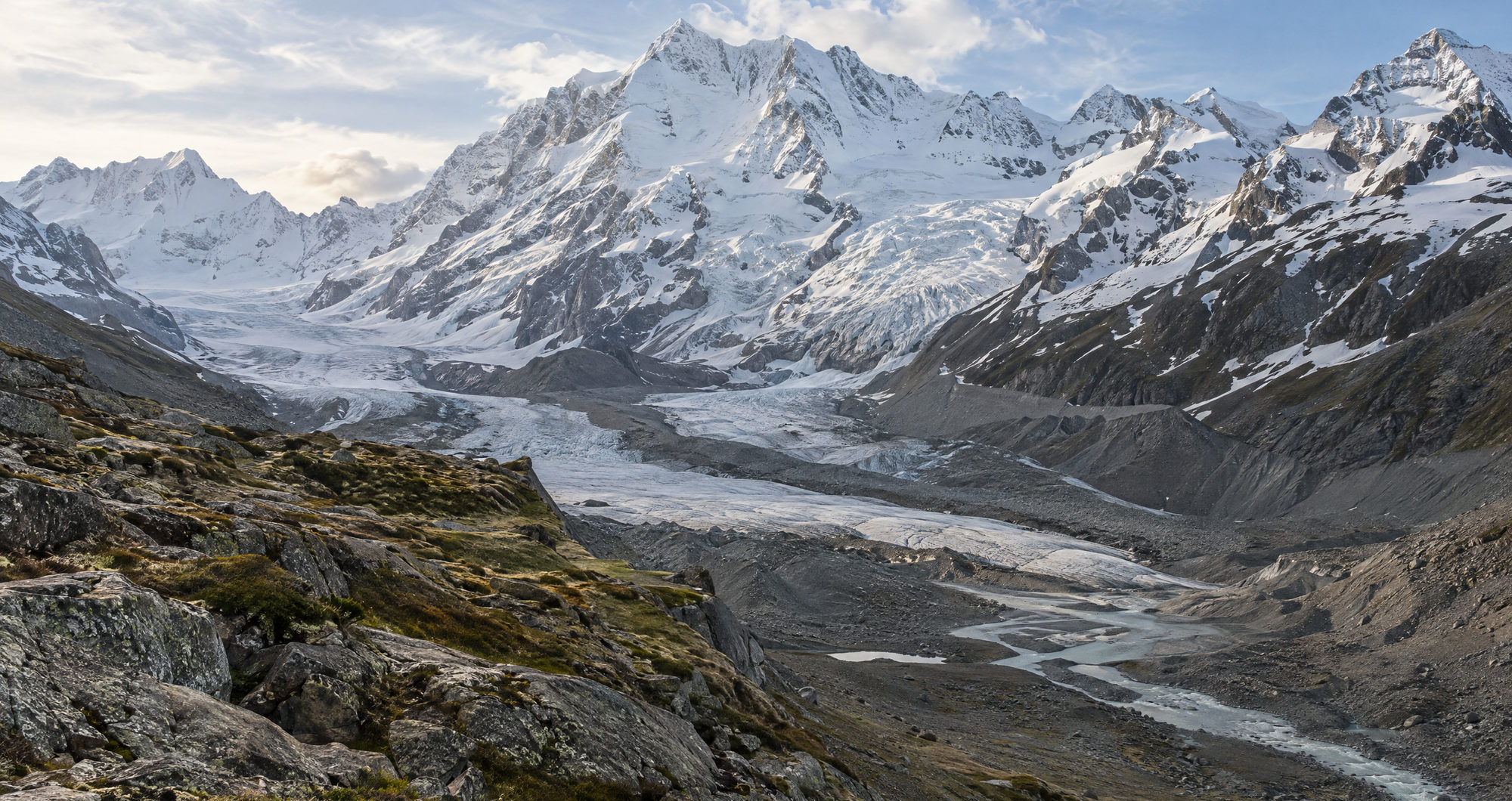
Glaciers and snow in the Hindu Kush Himalaya contribute to river systems on which communities rely both in the mountains and downstream. Changes in snow and ice can affect water supplies, agriculture and energy production far beyond the places where the rivers begin.
Regional mountain researchers have warned that glacier retreat and changes in snow cover can increase hazards in the shorter term and put pressure on water availability over the longer term. These risks vary between river basins and cannot be reduced to a single outcome for every community.
The Nepal–Bhutan proposal called for stronger cooperation across borders, better sharing of information and improved early warnings. It argued that mountain communities need more consistent attention in international climate planning as well as access to support for the impacts they face.
Existing discussions, unfinished demands
Mountains are not absent from the wider UN climate process. Countries held a dialogue on mountains and climate change in Bonn in June 2026, including discussion of whether such meetings should become a regular feature. The global adaptation framework also recognises mountain ecosystems within a broader target on biodiversity and includes measures relevant to climate resilience.
The latest proposals sought to build on that work with a more dedicated structure. Nepal’s request for mountain-specific indicators is about how the particular needs and risks of these regions are reflected in wider goals, not a claim that no adaptation framework exists.
For now, the presidency’s consultations and the planned dialogues provide further opportunities to raise those questions. Whether they lead to the work programme, finance arrangements or other measures sought by mountain countries remains a matter for negotiation.