
Parents and carers are being urged to stop buying or using baby sleeping bags that have a hood or lack armholes, following a nationwide product-safety alert issued on 1 October. The warning concerns bags marketed or intended for a baby to sleep in without supervision in a cot or crib. It identifies potential risks of suffocation and overheating, which in serious circumstances can cause injury or death.
Which products are covered
The advice is specific to a product’s design and intended use; it is not a warning against every baby sleeping bag. A covered product is a bag intended for an infant to sleep in unsupervised in a cot or crib. Products designed to be worn in a pram, such as pramsuits or muffs, fall outside that definition. Items designed specifically to swaddle a baby are also excluded.
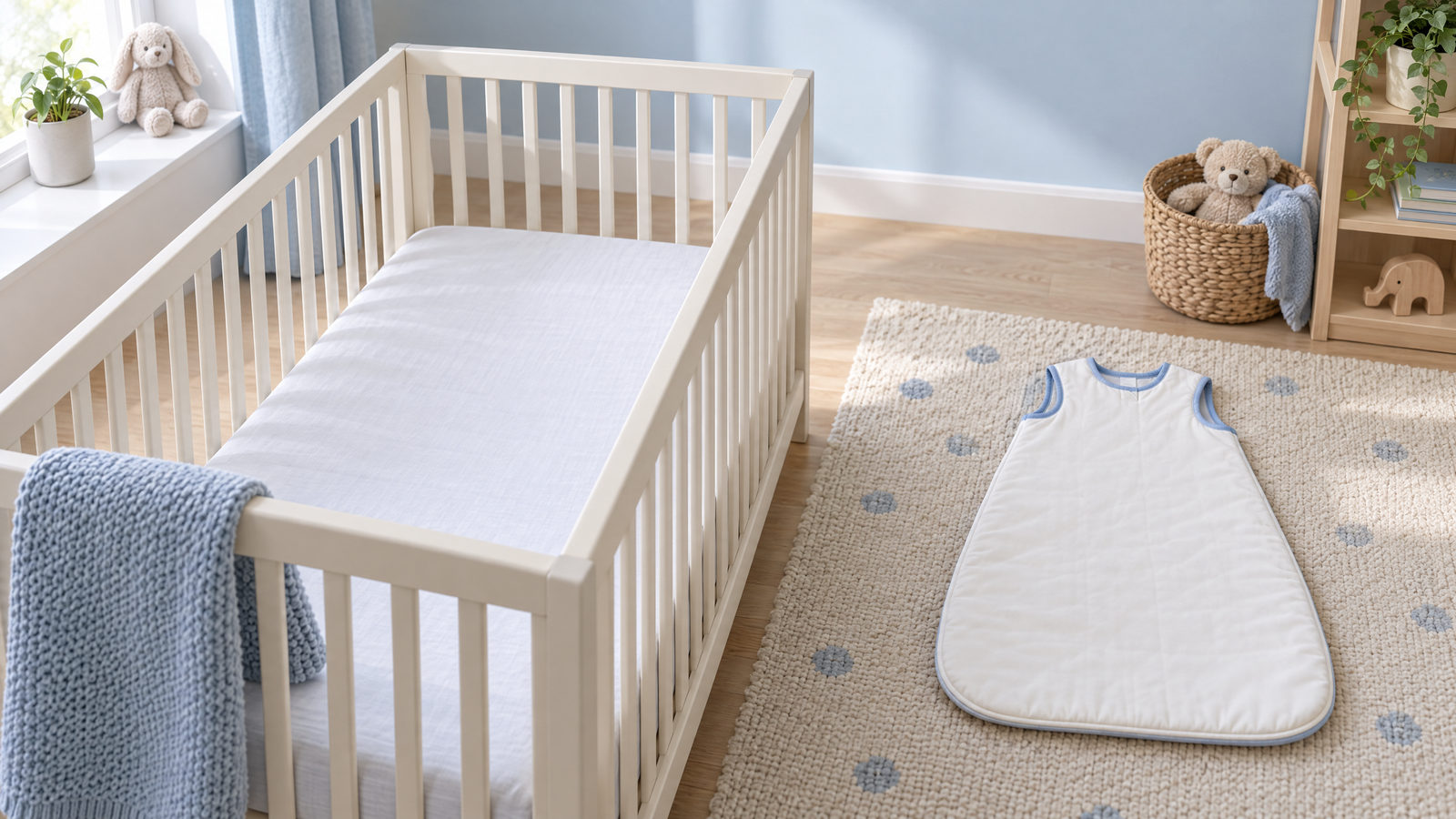
For sleep bags within scope, the key message is straightforward: they should have armholes and no hood. The warning does not apply to baby sleeping bags that meet the voluntary technical standard BS EN 16781:2018. That distinction matters for families trying to identify whether an item in their home is affected: its intended sleep use and physical features are central, rather than its general style or name.
Why armholes and hoods matter
Armholes help keep a baby in position. Without them, a child could slip down into the bag and its material could cover the nose and mouth, creating a risk of asphyxia. A hood can create a similar danger if it moves over the face during normal movement.
The notice also highlights overheating. Heat-retentive materials, or a design that encloses the head, can make it harder for heat to escape. A baby left too hot for too long may face an increased risk of harm; overheating is associated with a higher risk of sudden infant death syndrome. These are risk warnings, not findings that harm has occurred in every case, but they explain why the alert tells people not to use the specified designs for unsupervised sleep.
What families and sellers can do
Anyone with a sleeping bag that has no armholes or includes a hood should remove it from unsupervised sleep use and contact the business that supplied it if it was marketed for that purpose. Depending on the circumstances, a customer may be entitled to redress under consumer law. The advice does not establish that every purchase will lead to the same outcome, so consumers should keep available purchase information and follow any instructions from the seller.
The requirements also extend beyond households. Businesses placing sleep bags on the market must ensure products are safe. Bags intended for unsupervised baby sleep that lack armholes or include a hood should be removed from sale and corrective action taken. Retailers and importers are encouraged to consider supplying products that meet the voluntary standard, while local enforcement teams can act to remove unsafe goods in their areas.
A wider focus on baby-sleep claims
The warning arrived alongside a separate alert about online advertising for products promoted as answers to colic, reflux, sleep or soothing problems. A large-scale review identified 350 advertisements for baby products and services; 59% of the assessed ads were considered high risk, and 60 were identified for follow-up because of potential physical harm.
That wider work does not mean every online baby product is unsafe. It does, however, underline the importance of checking how a product is intended to be used rather than relying on a promise of better sleep or quick relief. The sleeping-bag alert follows nearly 50 recalls or product-safety reports involving dangerous baby sleeping bags since 2023. For families, the immediate practical check is simple: no hood, visible armholes, and a product designed for safe infant sleep.