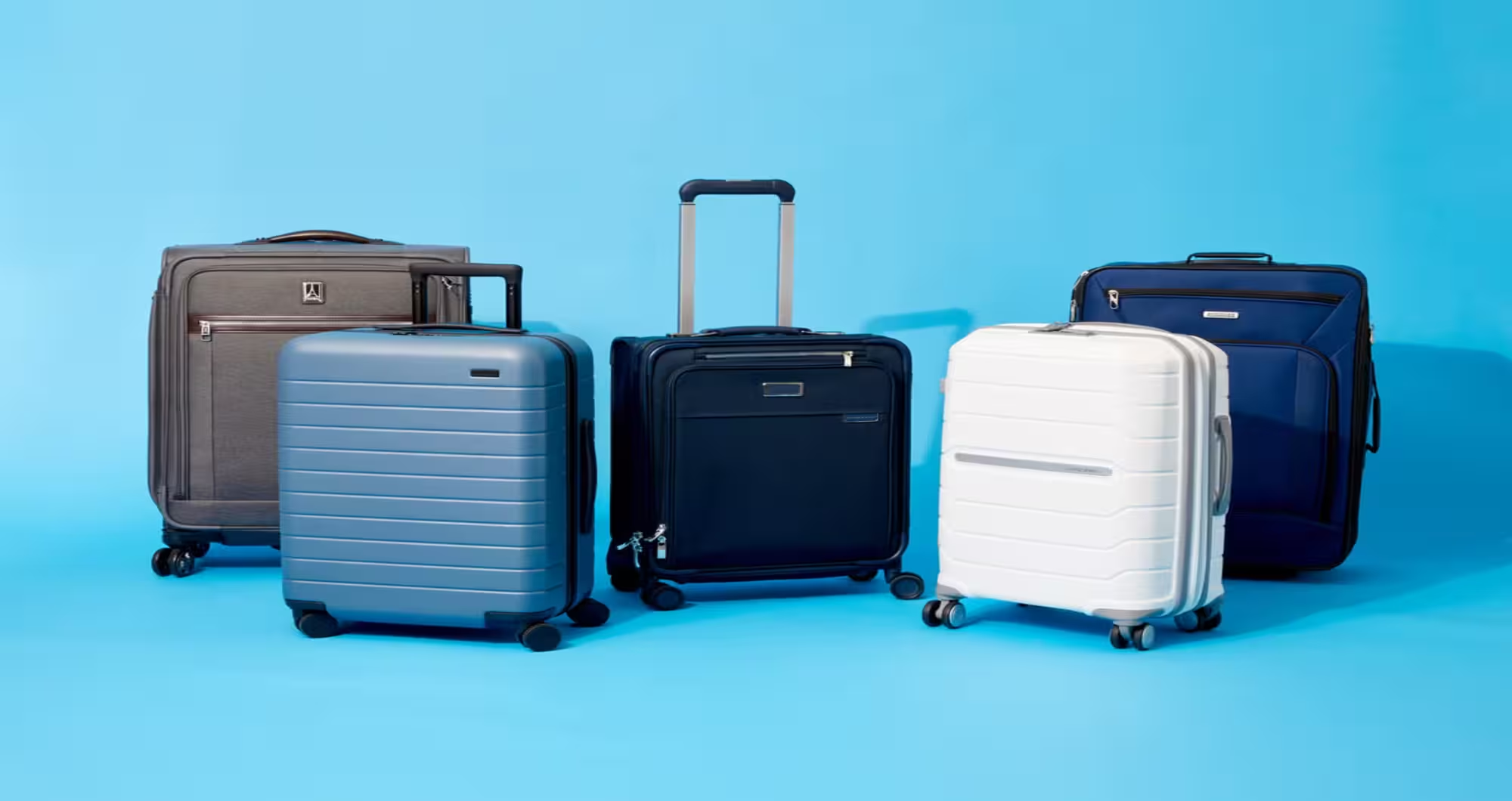

Travelling with elevated, durable luggage can transform the airport experience, from the way you pack to how you move through terminals. Yet, choosing to fly with a large suitcase is not a decision to take lightly. Size influences costs, mobility, protection of belongings, and even sustainability. This guide unpacks the advantages and drawbacks of large suitcases so you can make an informed choice, with a focus on premium materials and robust construction suited to frequent flyers and style-conscious travellers. Brands that emphasise durability and refined design, such as Carl Friedrik, often set the benchmark in this space.
The pros of flying with large suitcases
Capacity and better organisation
If you travel for extended periods or need to carry specialist gear, a large suitcase gives you the space to pack properly and stay organised. You can separate clothing, footwear and toiletries using packing cubes, while keeping formalwear protected and crease-free. Families also benefit, consolidating belongings into fewer cases can simplify check-in and reduce the risk of misplaced items.
Fewer items to manage in transit
One well-built, large suitcase can be easier to handle than multiple smaller bags, particularly when transferring between terminals or navigating rail links. With four smooth spinner wheels and a sturdy telescopic handle, movement feels more controlled and less fatiguing.
Enhanced protection with premium construction
Beyond capacity and mobility, build quality matters. Rigid shells in advanced polycarbonate or aluminium provide stronger impact resistance, while reinforced components and secure closures help protect contents from pressure and rough handling. Choosing large suitcases from a brand like Carl Friedrik adds reassurance, combining generous space with dependable structural integrity for longer journeys.
A polished, professional impression
For business travel or elevated leisure, a refined large case projects confidence. Clean lines, quality materials and thoughtful detailing signal intention and care. There’s also a practical upside: distinctive finishes make it easier to spot your luggage on the carousel.
The cons of flying with large suitcases
Weight limits and potential fees
Airlines typically cap checked baggage at 23 kg on economy fares, with 32 kg as an upper industry norm for higher classes or special items. Large cases tempt overpacking, pushing you into excess charges. Even an empty premium shell can weigh more than a soft-sided medium case. Always check airline fare rules, as oversize dimensions can incur separate fees even if you’re within weight.
Mobility challenges and space constraints
A big case is harder to manoeuvre in crowded spaces, tight aircraft aisles, or compact hotel lifts. It may not fit easily in smaller car boots or overhead racks on trains. If your itinerary includes multiple hops, small taxis, or lots of stairs, a lighter, mid-size suitcase or a modular approach might prove more practical.
Rough handling risks increase with size
Larger suitcases can be more difficult for baggage handlers to stack and secure properly. While durable shells help reduce the risk of damage, a greater surface area naturally means more exposure to knocks and pressure. Under heavier loads, poorly engineered wheels or handles are also more prone to failure, which can quickly turn a smooth arrival into a frustrating experience.
Overpacking considerations
Large suitcases make it easy to bring more than you actually need. Extra space can quickly turn into unnecessary items, adding weight and making your luggage harder to manage throughout the journey.If you opt for a bigger case, pack with intention rather than filling it by default. Planning outfits, limiting “just in case” items and using packing cubes to stay disciplined can help you make the most of the space without overloading your bag.
How to choose a large suitcase that actually travels well
A large suitcase should do more than hold extra clothes; it should move smoothly, protect your belongings and withstand years of travel. Size alone doesn’t guarantee practicality. The real difference lies in materials, engineering and thoughtful design. If you’re investing in a larger case, it’s worth knowing what separates one that simply looks good from one that genuinely performs on the journey.
Materials that balance strength and weight
- Aluminium: Offers excellent protection and a refined aesthetic, though it is heavier and will develop scuffs and dents over time as part of its character.
- Polycarbonate: Strong, lightweight and resilient. Look for high-grade, thicker shells with textured finishes that help disguise scratches.
- Hybrid constructions: Aluminium frames paired with polycarbonate panels combine rigidity with reduced weight, offering a practical balance for frequent travel.
Wheels and handle quality
Quiet, sealed-bearing spinner wheels, ideally double wheels, glide more smoothly across airport floors and pavements. A handle with minimal wobble reduces wrist strain and improves control. If possible, test the case when loaded; cheaper wheels tend to amplify fatigue, while premium rollers feel stable and effortless.
Security and closures
Frame closures with latches feel secure and robust. Alternatively, water-resistant or puncture-resistant lockable zips provide a lighter option. TSA-approved locks are essential for travel to the United States. Inside, compression straps and dividers help keep contents secure and balanced, reducing strain on the shell and closures.
Size and airline compliance
Large suitcases typically range from 80 to 110 litres. Always check the linear dimensions, length plus width plus height, against your most frequently used airlines. Many carriers apply oversize fees above 158 cm linear, so staying within that limit helps avoid unexpected charges. In practice, a slightly larger case is often more versatile than one pushed to the maximum.
Repairability, warranty and brand credibility
Look for replaceable components such as wheels, handles and panels, along with multi-year or lifetime warranties supported by accessible service centres. Reviews from frequent travellers and independent testing can help verify durability claims. Premium brands that prioritise craftsmanship and aftercare, such as Carl Friedrik, often back their large suitcases with a lifetime guarantee. That level of commitment becomes particularly valuable when you’re travelling far from home and need reassurance that your luggage is built to last.
Packing strategies to make a big case work harder
A large suitcase gives you space, but how you use that space makes all the difference. Without a plan, extra capacity quickly turns into excess weight and disorganisation. With a few smart packing habits, however, a bigger case can feel balanced, efficient and surprisingly easy to manage.
1. Weigh as you go
Keep a compact luggage scale in your case. Weighing as you pack helps avoid last-minute repacking at the airport and keeps you mindful of airline weight limits.
2. Structure and balance
- Place heavier items close to the wheelbase to improve stability when rolling.
- Use packing cubes to organise outfits and compress bulkier clothing.
- Fill unused space, such as inside shoes or in corners, with socks or smaller accessories to prevent items from shifting in transit
- Roll knitwear, fold more structured garments carefully, and consider a folding board for shirts to reduce creasing.
3. Protect the vulnerable
Seal liquids in leak-proof bags and position them centrally within the case. Store electronics in a hard case or carry them in your hand luggage where possible. If your suitcase has an aluminium frame, check that the latches are properly secured before departure.
4. Plan for the return journey
Leave a little spare capacity for souvenirs or purchases made while travelling. A lightweight, foldable tote can serve as an additional carry-on if you’re close to your limit on the return leg.
5. Identification and tracking
Subtle personalisation, such as distinctive straps or discreet monogramming, makes your case easier to identify at baggage reclaim. For added reassurance, consider placing a Bluetooth tracker, such as an AirTag, inside an internal pocket, particularly when navigating tight connections.
When a large suitcase makes sense and when it doesn’t
Choose a large suitcase if:
- You’re travelling for 10+ days or across varied climates.
- You need to transport formalwear, equipment, or gifts safely.
- You value a refined appearance and robust protection, and are comfortable managing a larger case.
Consider a medium case or a two-bag strategy if:
- Your itinerary includes frequent short hops, stairs or smaller vehicles.
- You’re working within strict weight limits.
- You prioritise flexibility and ease of movement in busy urban settings.
Choosing a large suitcase with confidence and intent
A large suitcase can be a genuine asset when it’s well-built and used thoughtfully. The right design offers generous capacity, improved organisation and stronger protection, particularly when crafted from durable materials with quality engineering throughout.
The trade-offs tend to centre on weight, manoeuvrability and potential airline restrictions. If you decide to go larger, choose a well-constructed, repairable case from a reputable brand, pack with intention and always check airline policies in advance. Done properly, your luggage should work with you, not against you, on every stage of the journey.