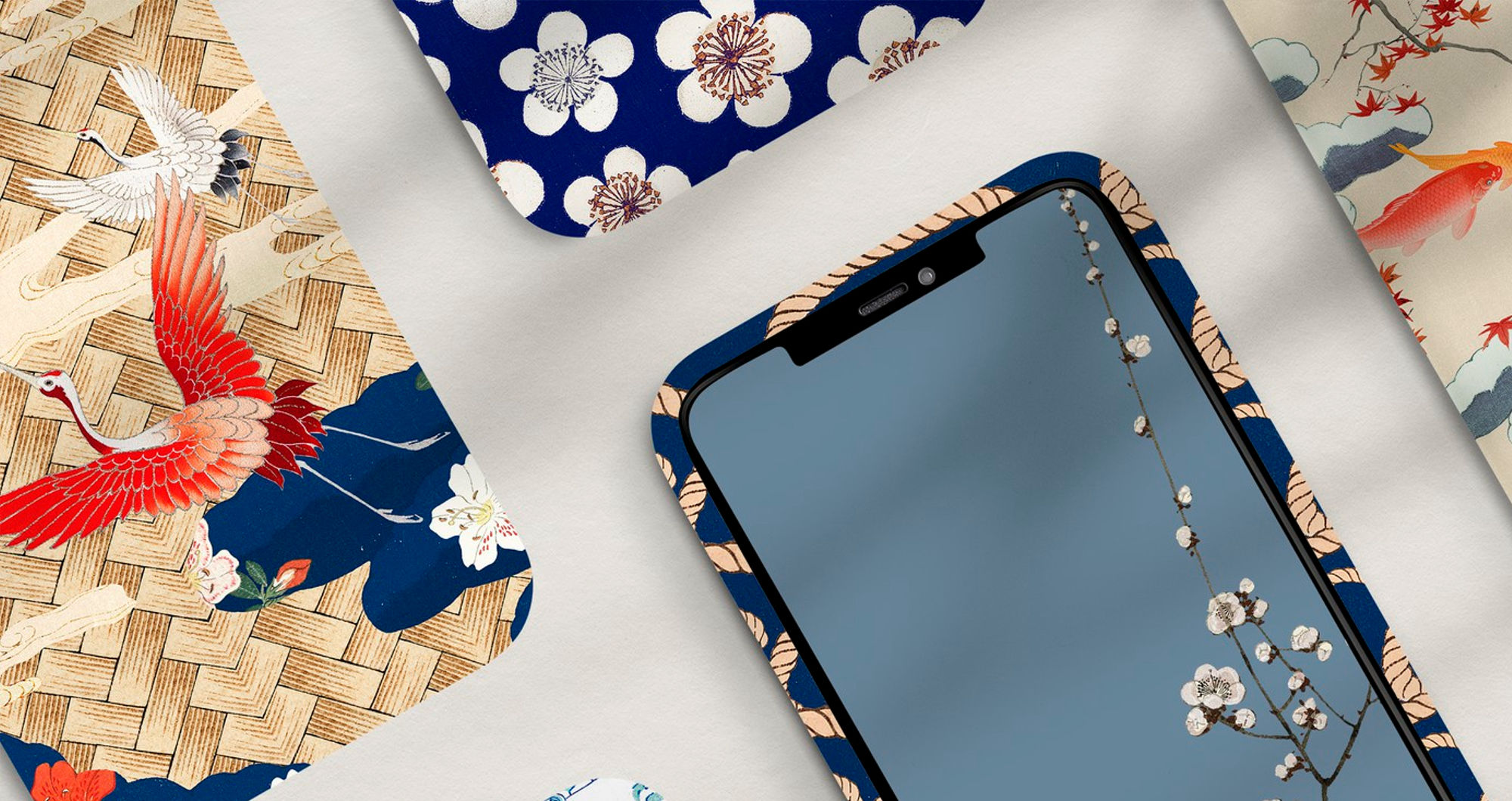

The question of protective cases has been a thorn in the flesh to Samsung smartphone users because they have to decide on the best forms of protection to accommodate their gadgets or work with slim profiles and other less protective cases that are sleekly designed. This basic trade-off defines what is to be chosen in cases to be used by millions of UK consumers each year. Knowledge of the practical consequences of every strategy is useful in enabling Samsung users to make better choices that fit their lifestyle, usage habits, and interests.
The Protection Philosophy
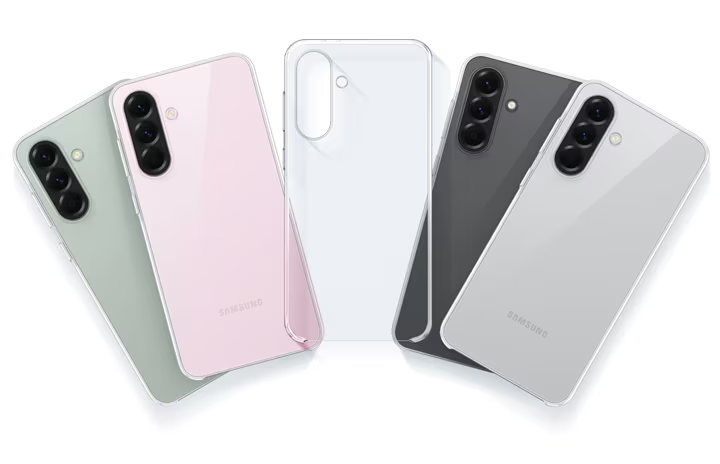
The use of protective cases focuses on holistic protection of the device with a series of shock-absorbing materials. Screens are shielded by thick rubber bumpers, reinforced corners and elevated bezels to withstand a direct hit when the devices fall. Rigid designs do not allow flexing, which can put internal structures under stress. Protective cases can provide a sense of actual peace of mind to users who drop their phones regularly, travel in crowds, or operate in physically straining conditions. An investment of PS600 in a Samsung Galaxy deserves the same protection as the same financial investment.
Protection, however, brings about trade-offs which irritate numerous users. Samsung has been meticulously developing an industrial design which is hidden by bulky cases. A lower level of tactile feedback will reduce the high-quality touch that made the initial purchase worthwhile. Camera bulges enhance the thickness. Slim beauty appeal disappears altogether.
The Slim Case Advantage
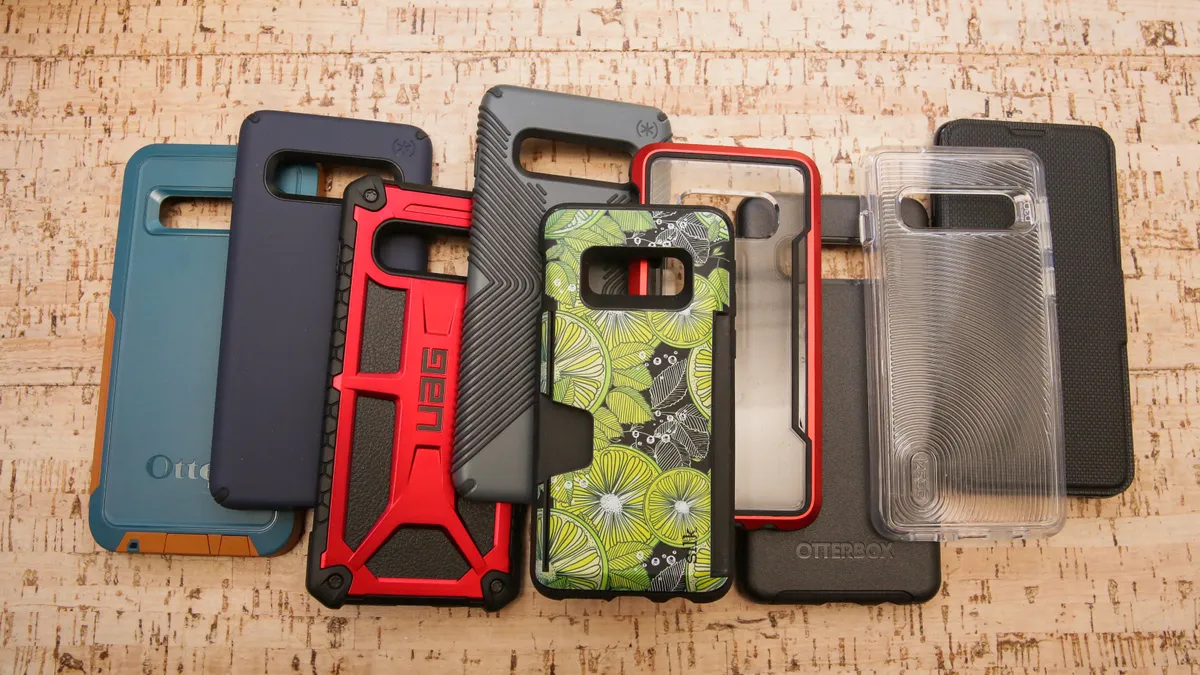
The slim cases are the reverse philosophy: the least measures in order to maintain the initial proportions and aesthetics of the device. Such cases generally increase the thickness by millimetres, keeping the pocket-friendly size along with the weight distribution that Samsung engineers achieved. When it comes for these Korean brand phones, slim design choices are also especially attractive because the aesthetics of Samsung is also a key aspect of the buying experience.
Flexible silicone material softcases are slim and offer surprisingly high protection with a minimum volume. Silicone has an innate ability to absorb impact energy and will safeguard against the routine desk-height drops or pocket-level drops. Those users who are more focused on their comfort in daily handling and do not need to face catastrophic fall situations will find slim soft cases to be very convenient in providing protection without undermining the usability.
Materials to use with Samsung
Hard cases are the most rigid and scratchproof, which are best when it comes to covering the perfect device finish. But stiff materials conduct impact force directly across the case structure, and may put a strain on internal parts. The hard cases are transparent or white and present the premium design that Samsung offers, but offers back protection and are printed on the back to be customised.
Silicone softcase materials are good in flexibility and shock absorption. Their rough surface also does not allow them to slip accidentally – a significant benefit in the course of long use. Soft silicone moulds can be held to the shape of hands and relieve fatigue while watching videos or playing games on the computer. Complete prints on soft cases bring the design across the edges, making designs appear immersive without hard bulk.
Real-World Usage Scenarios
Protective cases are actually useful to construction workers, outdoor enthusiasts, or users having recorded a history of dropping in the past. This is the profession where aesthetic compromises to reliability are acceptable. Slim cases are adequate to office worker who works in a stable environment, has a measured handling habit and a desk-bound use pattern. Younger users, such as students, tend to use slim cases at the cost of increased replacement risk in order to achieve desirable appeal.
Customization Opportunities
Both protective and slim case models have custom design options. Personal protection is made individual with the uploading of personal photographs or artwork to access it as personal accessories. Samsung users take advantage of customisation to display style and still have a functional protection that suits their lifestyle needs.
Practical Recommendation
The best case differs according to the situation and not according to the universal superiority of one of the approaches. The users of Samsung must be sincere in evaluating their usage conditions: Do you have frequent drops? Are they more concerned with the looks of the devices? Do they feel at ease with the cost of replacement in case there is damage? Protective cases are useful to users who are commuting using public transport, physically working, or are documented as clumsy. Thoughtful consumers in secure settings with luxury aesthetic values ought to accept svelte designs.
It is not about protection or style, but in accordance with the functionality of the case and real lifestyle requirements.
Feature Image by rawpixel.com from FreePik