
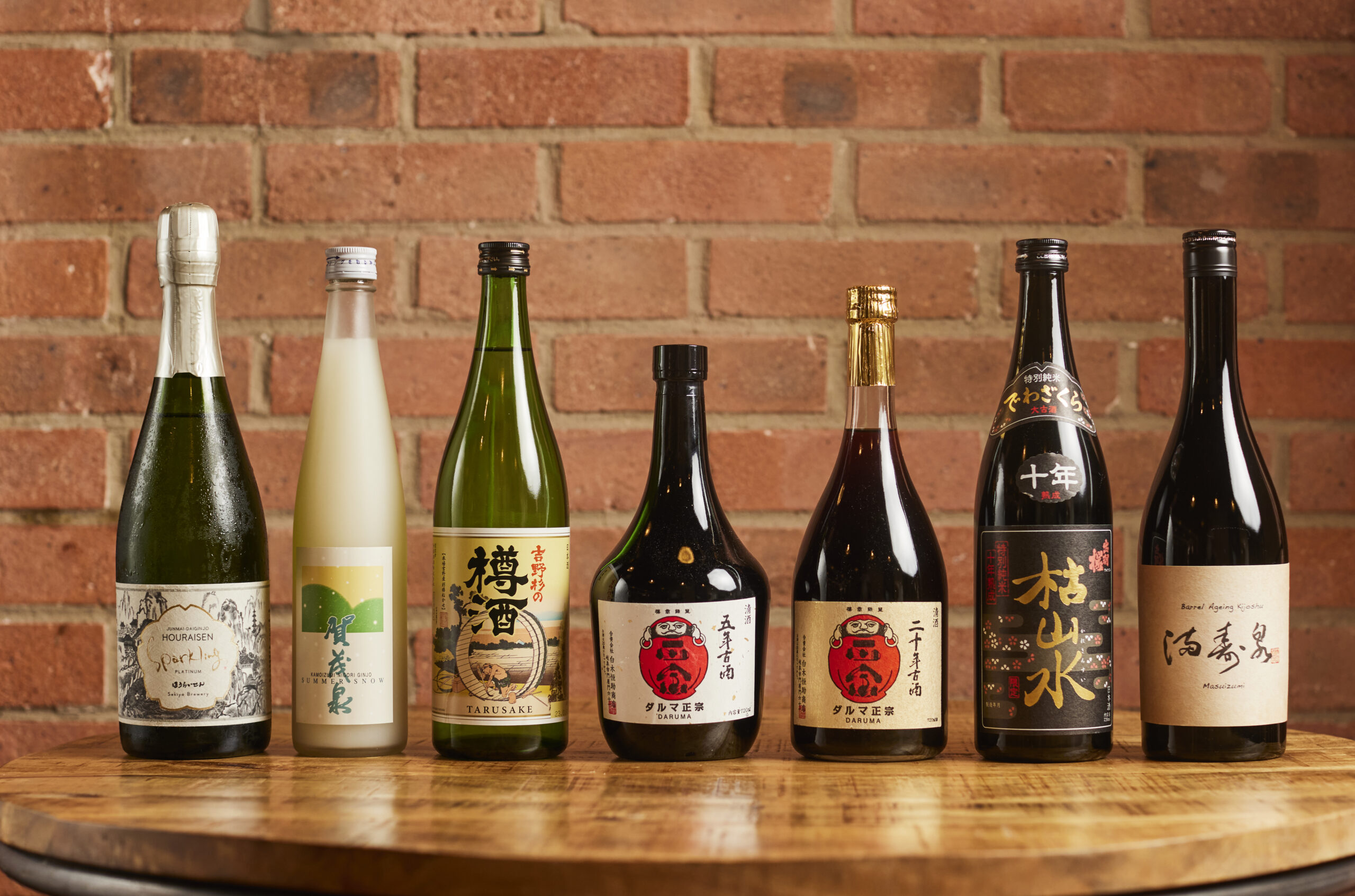

Sake has been consumed in Japan for centuries and holds significant cultural and ceremonial importance across the country. Sake is primarily made from four key ingredients: rice, water, yeast, and koji mould. The type of rice used, the quality of water, and the specific yeast strains and koji mould used can all affect the flavour and characteristics of the final sake.
The brewing process for sake involves multiple stages, including rice milling, soaking, steaming, and fermentation. Rice is polished to remove the outer layers, leaving behind the starchy core, which is essential for fermentation. The rice is then fermented by the yeast and koji mould over a period of several weeks.
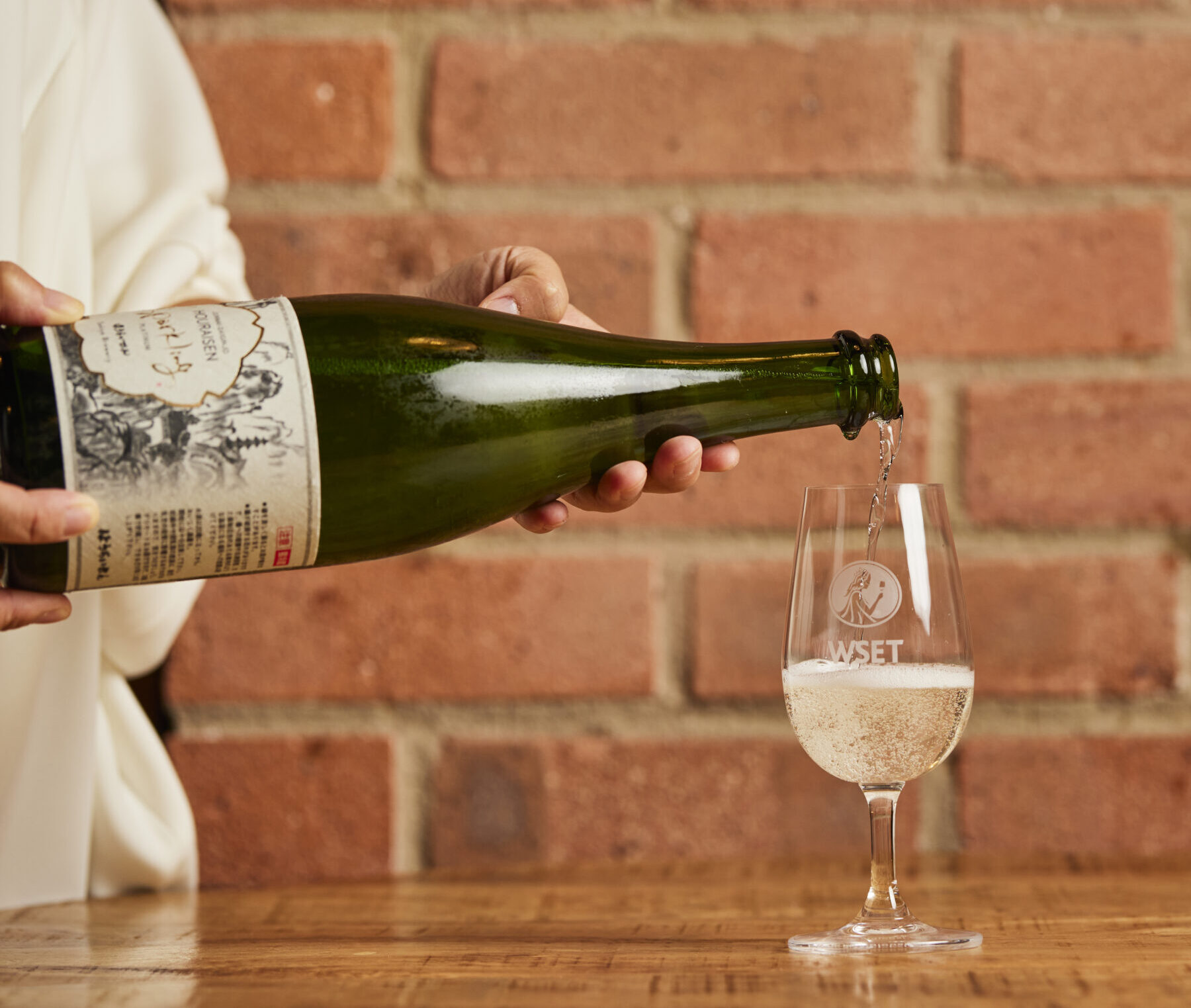 Many sake fans really enjoy the flavour profiles of sake and newcomers to the drink will discover that there’s a real point of difference to the taste profiles found in wine. In sake, the alcohol level is slightly higher, the sugar levels are much higher, the acidity is much lower and there are distinct umami elements present. So sake can present a whole range of flavours and concepts that mightn’t be possible with wine. There’s a whole world of sake just waiting to be discovered – and World Sake Day is the perfect opportunity to give it a try if you haven’t already!
The fact that lactic acid is one of the main acids found in sake means that it’s a drink that can make an excellent accompaniment to dairy products. Bring on the cheeseboard!The following pairings work particularly well
- Aromatic and fruity daiginjo sake with fresh goat’s cheese or blue cheese
- Rounded and soft junmai sake with Manchego or Gouda
- Kimoto or yamahai, rich in umami, goes so well with Emmental or Comté
Sake and seafood:
Sake contains plenty of umami, which are types of amino acids that expresses delicious savoury flavours. Sake is a great way to cleanse the palate, neutralise the any stong, fishy flavours from the seafood as well as enhancing its savoury elements.
The creamy textures of junmai harmonise well with fresh oysters. Rich but pure ginjo-style sake works brilliantly with the meatiness of lobster or scallops.
Caviar is often considered difficult to pair with wine, but daiginjo contains similar molecules to the fish roe and makes for the perfect pairing.
If you’re interested in learning more about the wonderful world of sake and everything it has to offer, you don’t have to travel as far as Japan. WSET’s Level 1 Award in Sake is a beginner-level introduction for those pursuing an interest in sake. For individuals new to the subject, this qualification offers a hands-on introduction to the world of sake. You’ll explore the main styles and types of sake through sight, smell and taste to develop an understanding of the key factors affecting flavours and aromas. Upon successful completion, you will receive a WSET certificate and lapel pin.
You’ll learn about the basic principles of sake production, the main types and styles of sake, how to serve sake and factors that can affect the flavour of sake. You’ll also be taught how to describe sake using the WSET Level 1 Systematic Approach to Tasting Sake (SAT). The qualification has a minimum requirement of six guided learning hours with a WSET course provider and is available to study in English, French, German, Italian, Japanese, Chinese, Korean, Portuguese and Spanish. You can find out about where to study here.







