

More than 3,200 people sleeping rough received an offer of accommodation or support during October under England’s new Rough Sleeping Programme, the first government figures show. The release records early activity but does not establish how many people subsequently left the streets.
The Ministry of Housing, Communities and Local Government published the figures on 27 November as councils and mayors work towards the government’s pledge to offer everyone sleeping rough a route off the streets before Christmas.
Programme-funded areas reported that 3,276 people sleeping rough received at least one offer. There were 4,251 offers in total, including repeated approaches to the same person and support offered to people at risk of sleeping rough who were not currently on the streets.
The ministry defines an offer as accommodation or support providing a clear and accessible route away from the street. It can include help with mental health or substance misuse where that support enables someone to move towards settled accommodation.
Offers are not housing outcomes
The department cautioned that the information cannot show whether an offer was accepted, whether someone moved into accommodation or whether they remained housed. It also cannot establish how many people stopped sleeping rough because of the programme.
The distinction matters for assessing the Christmas commitment. The government says its pledge concerns making an offer available, rather than ensuring that everyone immediately enters permanent accommodation. Outreach teams are expected to continue working with people into the new year, building trust and making further offers where needed.
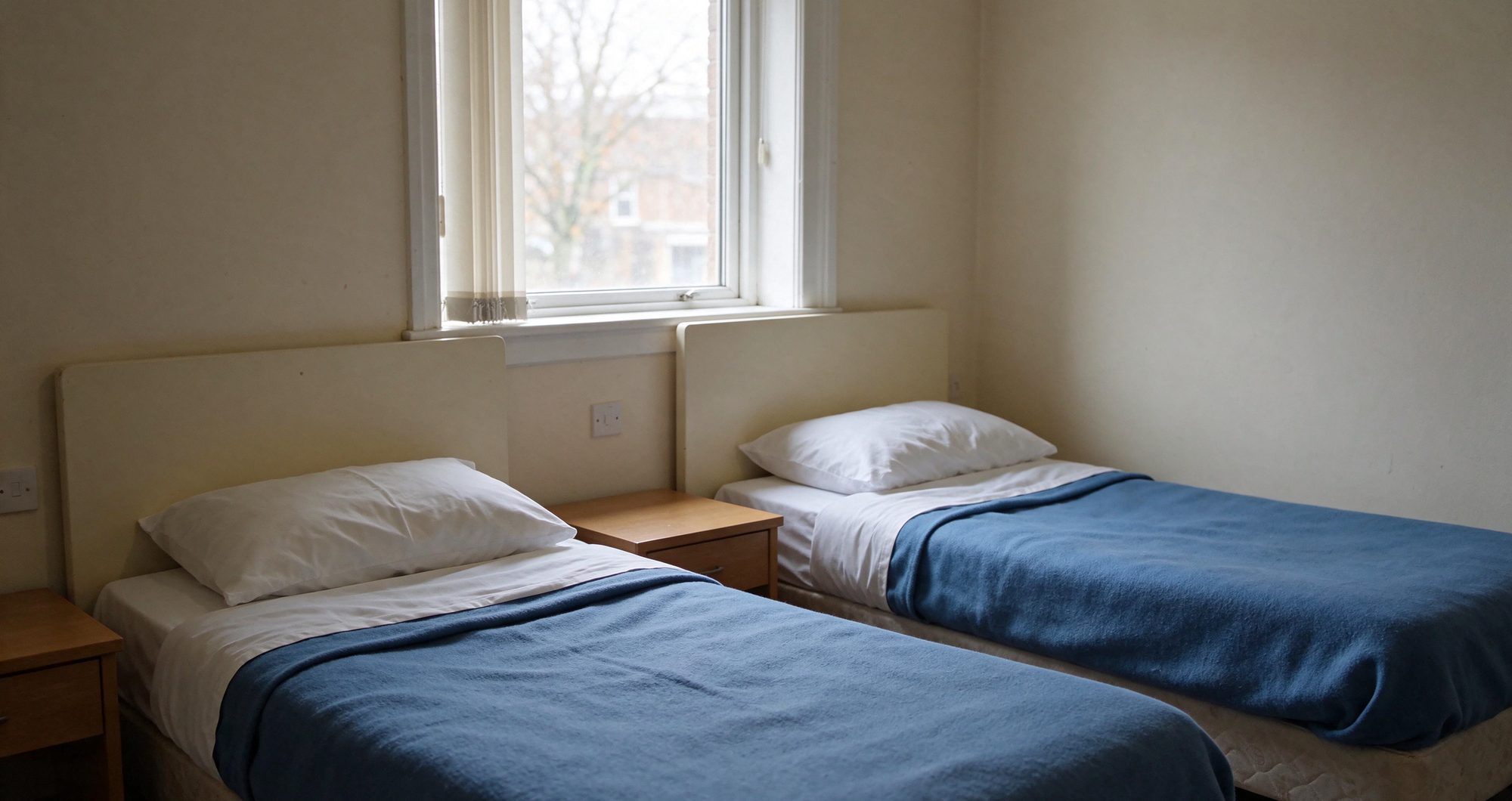
At 31 October, authorities reported 1,966 programme-funded bedspaces, of which 25% were occupied. These figures cover only accommodation funded through this programme, not the full capacity of homelessness services.
Some accommodation was still being prepared and was not operational at the reporting date. Other authorities buy hotel rooms, bed-and-breakfast places or temporary accommodation when needed, rather than maintaining a fixed stock of dedicated spaces. The ministry said reported capacity may therefore not reflect everything available locally.
London reporting and data gaps
Among areas providing a suitable response, 82% said they were confident they could offer everyone sleeping rough a route off the street by 1 December. London was treated as a single area for this measure because confidence information was not available at borough level.
Around 90% of funded areas supplied information on offers and bedspaces, while around 78% supplied delivery-confidence data. The department said new recording arrangements were still being introduced and that coverage varied between authorities.
Some areas recorded only accepted offers. Others could not reliably count multiple approaches to the same person, or reported only offers connected to programme funding, although the collection is intended to capture all relevant offers. Missing information should not be taken to mean that no activity occurred.
The ministry said it was working with authorities to improve guidance and consistency. Figures may be revised when councils provide corrected or more complete information, and differences between areas should not be interpreted as a ranking of performance.
Support beyond the winter
The programme is backed by £874 million over three years, with the first payments reaching local areas on 30 September. Councils and mayoral authorities lead delivery with local partners, combining immediate accommodation and support with settled homes and intensive help for people with long-term experience of rough sleeping.
Crisis chief executive Matt Downie welcomed the rapid mobilisation of support within communities. He said the initial progress should encourage the government to pursue longer-term solutions, including Housing First, to prevent people returning to the streets.
The ministry said December figures would be published in the new year, providing a fuller picture of delivery against the Christmas ambition. For now, the October release measures offers and available programme provision, rather than demonstrating that people have secured lasting homes.







