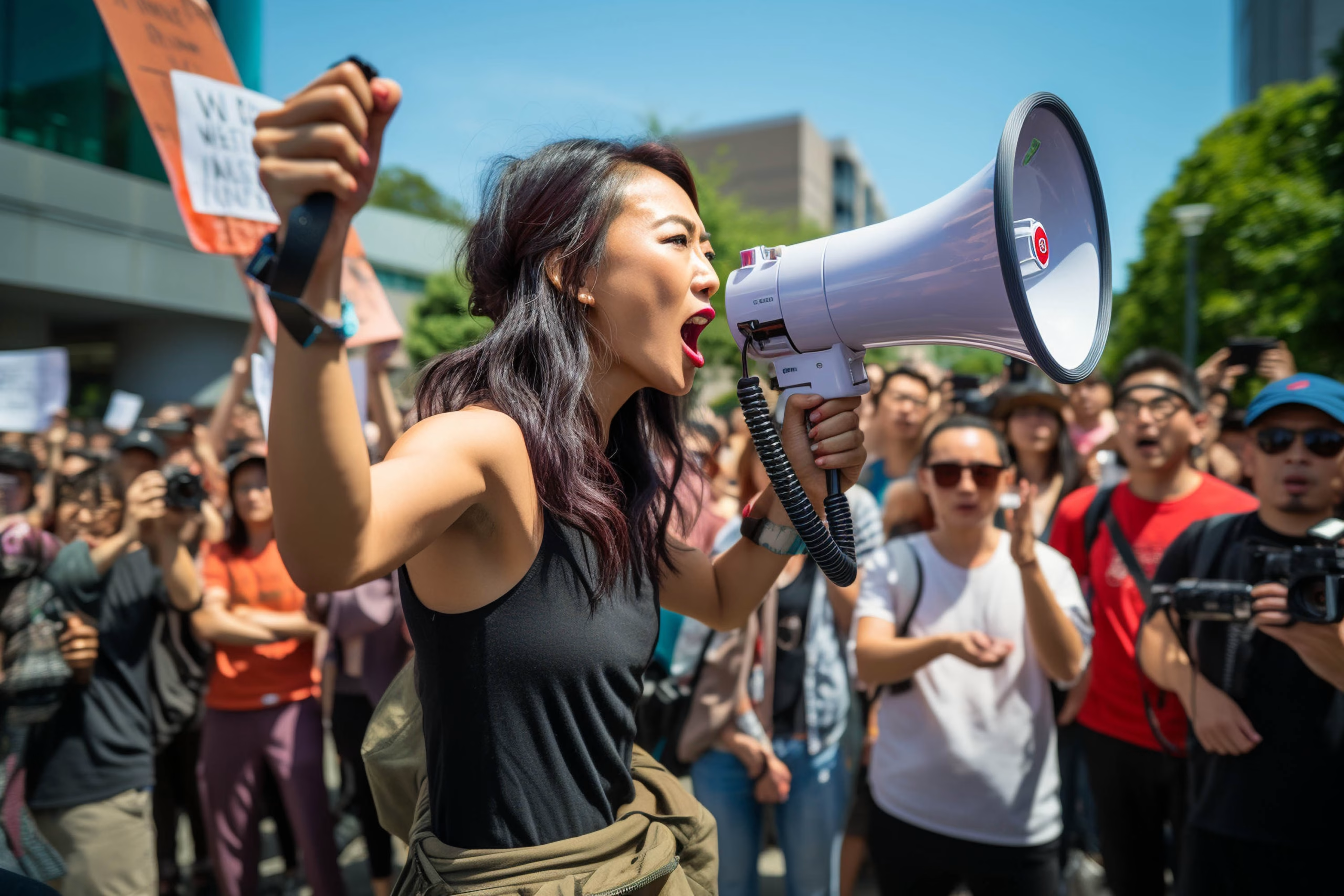

DENPASAR, Indonesia – The Indonesian resort island of Bali, a paradise for tourists worldwide, was gripped by rare and escalating civil unrest on Saturday as police fired volleys of tear gas to disperse thousands of protesters who had besieged the island’s government quarter, burning debris and blockading major roads in a dramatic escalation of anger over alleged police brutality.
The night air in the upscale Renon district of Denpasar, typically alive with the buzz of tourists and locals frequenting its trendy cafes and restaurants, was instead thick with acrid smoke and the sound of chanting.
For over six hours, a coalition comprising students, young activists, and a significant contingent of online motorcycle taxi drivers, known locally as ojol, faced off against heavily armed tactical police units, transforming the administrative heart of Bali into a tense standoff.
The protests, which organisers said were sparked by the recent alleged abusive arrest of several ojol drivers during a traffic stop, have tapped into a deeper well of frustration towards perceived systemic arrogance and heavy-handedness within the Indonesian National Police.
The unfolding situation presents a stark challenge for authorities in a province that is the cornerstone of the nation’s tourism industry and is meticulously curated for its image of serene stability.
From Traffic Incident to Flashpoint – Bali Civil Unrest
According to accounts from protest leaders and local media, the initial incident involved a dispute between police and drivers working for ride-hailing apps Gojek and Grab earlier in the week. Videos purporting to show violent arrests quickly circulated on social media platforms, galvanizing a community that often feels marginalized and targeted by authorities.
“This isn’t just about one arrest. It is about daily humiliation. It is about the arrogance of power. We are tired of being treated like criminals for just trying to earn a living,” said one protest leader, who spoke on condition of anonymity for fear of reprisals.
The demonstration began peacefully on Saturday afternoon outside the Bali Regional Police Headquarters (Mako Polda Bali). However, as numbers swelled into the thousands, the crowd marched several blocks to the fortified compound of the Bali Legislative Council (DPRD), a symbolic seat of political power they demand should hold the police accountable.
By 5:00 p.m. local time, the critical artery of Jalan Cok Agung Tresna was forcibly shut down. The street’s popular culinary centres, usually bustling on a Saturday evening, were dark and shuttered, their owners fearing the escalating situation.
Escalation and Claims of Media Intimidation – Bali Civil Unrest
The standoff reached a critical juncture around 8:30 p.m. Protesters, refusing to disperse, began burning piles of rubbish and tyres in the middle of the road, sending plumes of black smoke into the air.
As some individuals from the crowd attempted to breach police barricades, units responded with multiple rounds of tear gas, sending people scrambling for cover and temporarily clearing the main road.
Witnesses observed some protesters arming themselves with wooden clubs, iron bars, and stones, though there were no immediate reports of serious injuries or property damage beyond the street fires.
Adding a layer of international concern to the domestic unrest, an incident of alleged media intimidation occurred amidst the chaos. Fabiola Dianira, a journalist with local outlet detikBali, reported being aggressively confronted by plainclothes officers who lacked clear identification while she was attempting to document arrests.
“They grabbed my arm very forcefully and demanded I delete my photos and hand over my phone. I kept saying ‘I am press, I am press,’ but they were not interested. They were only interested in stopping me from working,” Dianira stated by phone after the incident. She reported she was temporarily detained in a parking lot before being released without charge or explanation.
The National Police in Jakarta did not immediately respond to a request for comment on the specific allegations of brutality or the incident involving the journalist.
Global Implications for a Tourist Haven – Bali Civil Unrest
The unrest in Bali is being closely watched by officials in Jakarta and the tourism industry worldwide. The island is the single most popular tourist destination in Indonesia, a critical economic engine that has only recently recovered from the devastating blow of the COVID-19 pandemic.
Any prolonged instability threatens to spook international visitors and investors, for whom Bali’s reputation for safety and tranquillity is paramount. Local authorities have issued advisories urging residents and tourists to avoid the Renon area until further notice.
As of early Sunday, a significant police presence remained deployed around government buildings. The protesters, though pushed back from the main gates, have vowed to continue their demonstrations, signalling that the tensions that boiled over onto the streets of Denpasar are far from resolved.
The events underscore a growing rift between authorities and a young, connected populace in Indonesia that is increasingly willing to publicly challenge power, even in the nation’s most prized paradise.
Reported for London Daily News by Ferry Fadly and Giostanovlatto in Denpasar, Bali. This report was filed by journalists from Hey Bali Info for the London Daily News.