
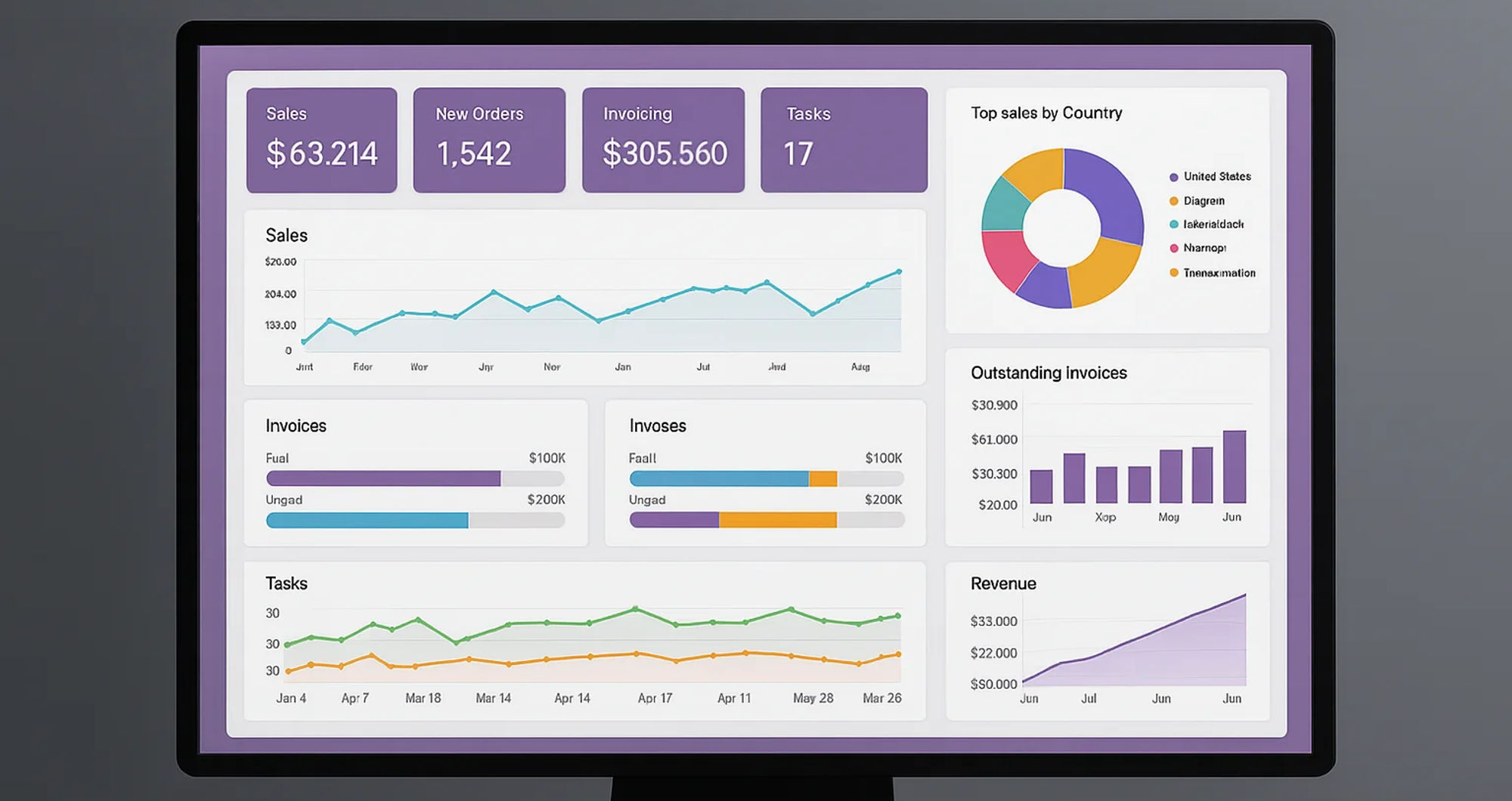

The demand for skilled Odoo developers has never been higher. Businesses worldwide are turning to flexible, remote Odoo talent to keep up with growing digital needs and rising competition. What’s pushing this surge? The reasons combine technology shifts, changing work culture, and the proven efficiency of remote ERP development.
Odoo’s growing role in business transformation
Odoo has matured from a basic open-source ERP into a modular, enterprise-grade system used by over seven million users. Its architecture enables seamless integration across accounting, CRM, inventory, HR, and other business-critical modules—making it ideal for small to mid-sized businesses seeking unified operations.
Unlike rigid legacy systems, Odoo allows deep customisation through its ORM, XML views, and Python-based backend. However, effective implementation requires skilled developers familiar with module development, workflow customisation, and upgrade-safe practices.
The challenge lies in bridging this talent gap. Poorly built customisations often result in regressions, performance issues, or upgrade failures. To bridge this, resources like the Odoo Development Guide and Roadmap are critical.
Odoo’s true value lies in its adaptability when guided by sound architecture and technical precision.
Why remote development fits Odoo so well
Remote development aligns naturally with Odoo’s technical structure. Its modular architecture and open-source framework are designed for distributed collaboration. Version control systems, secure cloud hosting, and isolated staging environments allow multiple developers to work on different modules simultaneously without compromising system stability.
Technical teams can maintain high development standards while working across time zones. Remote contributors access centralised codebases, apply updates safely, and follow consistent deployment workflows. This structure reduces bottlenecks and supports parallel development when adding new features or extending core modules.
Organisations benefit from this setup by accessing specialised skills that may not be available locally. It also keeps operational costs flexible, since resources can be scaled up or down based on the project’s current phase. As businesses expand Odoo’s capabilities across departments, remote development ensures that updates, testing, and maintenance stay on track without costly delays.
The shift toward remote work changed everything
The pandemic normalised remote work. What began as a forced experiment proved that teams can deliver complex projects from home offices or co-working spaces around the globe.
For Odoo implementations, this shift unlocked huge advantages. Instead of limiting projects to local experts, companies now bring in specialists from any region. Time zones are managed with clear schedules and modern tools.
“Companies worldwide now realise how powerful flexible Odoo teams can be for fast rollouts and custom solutions. Remote collaboration is the new standard.”
— Lena Brooks, Senior Odoo Developer, 15 years of experience
This shift has expanded the pipeline for businesses that once struggled to find Odoo talent locally. It’s also raised the bar for developers to prove their experience and adaptability.
The SME digital push
Small and medium businesses are under pressure to transform digitally — fast. Many turn to open-source ERPs to control costs while gaining full customisation. Odoo, with its open-source license model and app store, remains the clear winner for this segment.
Unlike large enterprises that hire full in-house teams, many SMEs prefer project-based specialists or remote teams. This approach keeps expenses predictable and provides access to senior-level expertise at a fraction of the cost of local hires — an approach aligned with evolving ERP Consulting Standards that emphasise practical efficiency.
Talent scarcity in local markets
In many regions, the availability of certified Odoo specialists remains limited, creating practical challenges for businesses that need tailored ERP solutions. To close these skill gaps, organisations increasingly build distributed technical teams with expertise that aligns precisely with their project requirements — whether that means developing custom modules, managing complex version upgrades, or delivering industry-specific configurations.
Emerging hubs such as Eastern Europe, India, and parts of Southeast Asia have become strong sources for this technical capacity. Professionals in these regions combine practical knowledge of Python development, PostgreSQL database management, and modular ERP architecture. This combination allows businesses to extend Odoo’s core functionality, integrate third-party applications securely, and maintain high performance as systems scale.
Remote sourcing also enables project teams to balance cost constraints without sacrificing quality. By distributing workload across trusted specialists in multiple regions, companies ensure continuous development cycles and faster issue resolution, even for advanced customisations or multi-company deployments.
What companies expect in remote Odoo talent
Remote or not, businesses expect developers who understand Odoo inside out. Key technical skills include:
- Strong Python knowledge, since Odoo is Python-based.
- PostgreSQL experience for database work.
- Hands-on understanding of Odoo’s modular framework.
- Ability to handle upgrades and custom modules without breaking the core.
Soft skills matter just as much. Clear communication, accountability, and self-discipline keep projects moving when teams work across borders. Many businesses now prefer certified developers or those with proven portfolios.
Risks to keep in mind
Working with distributed teams increases flexibility but also requires tight controls. Time zone gaps can slow urgent fixes if versioning and task ownership are unclear. Sensitive modules and custom logic demand strict access rules.
Organisations that hire Odoo developer teams remotely should use secure repositories, role-based permissions, and encrypted channels to protect code integrity. Clear NDAs and service contracts help safeguard intellectual property. Running a pilot task first can verify code quality and workflow discipline before larger rollouts.
Well-managed version control, automated testing, and clear deployment pipelines reduce risks and keep custom ERP development stable at scale.
How to hire and manage remote Odoo developers
Finding reliable Odoo developers requires clear sourcing channels. Some companies turn to trusted freelance platforms. Others work with specialist agencies. Direct hiring through recommendations remains strong.
Best practices include:
- Checking certification and real-world case studies.
- Running small test tasks to assess skills.
- Using project management tools for daily updates.
- Defining deliverables and clear payment milestones.
Version control systems like Git, staging environments, and continuous deployment pipelines ensure consistency. Tools like Slack, Jira, and Trello help teams coordinate daily work across borders.
Where the trend is heading
Remote ERP development is here to stay. Businesses continue to digitalise. Odoo’s roadmap — including stronger cloud features and industry-specific modules — means demand for customisations will grow.
For developers, staying competitive means upgrading skills constantly. Knowledge of related tech stacks, third-party apps, and integration best practices adds real value.
Companies that build trusted remote teams today are likely to see faster rollouts, cost savings, and better user adoption than those stuck in old hiring models.
Final thoughts
The global surge in demand for remote Odoo developers is more than a passing trend. It shows how businesses are changing the way they build, customise, and scale vital systems. Open-source flexibility, remote work culture, and the pressure to transform digitally all fuel this hiring boom. Companies that choose to hire Odoo developers gain access to experts who can deliver solutions and tackle complex business needs without the limits of local hiring.
For small and mid-sized businesses, tapping into this global talent pool means faster rollouts, lower costs, and better long-term support. As more industries shift operations online, the need for skilled Odoo developers will keep rising. The message is clear: invest early, partner with trusted talent, and use Odoo’s power to stay ahead. Companies that plan well and hire smart today will shape the future of efficient, connected, and agile business growth.







