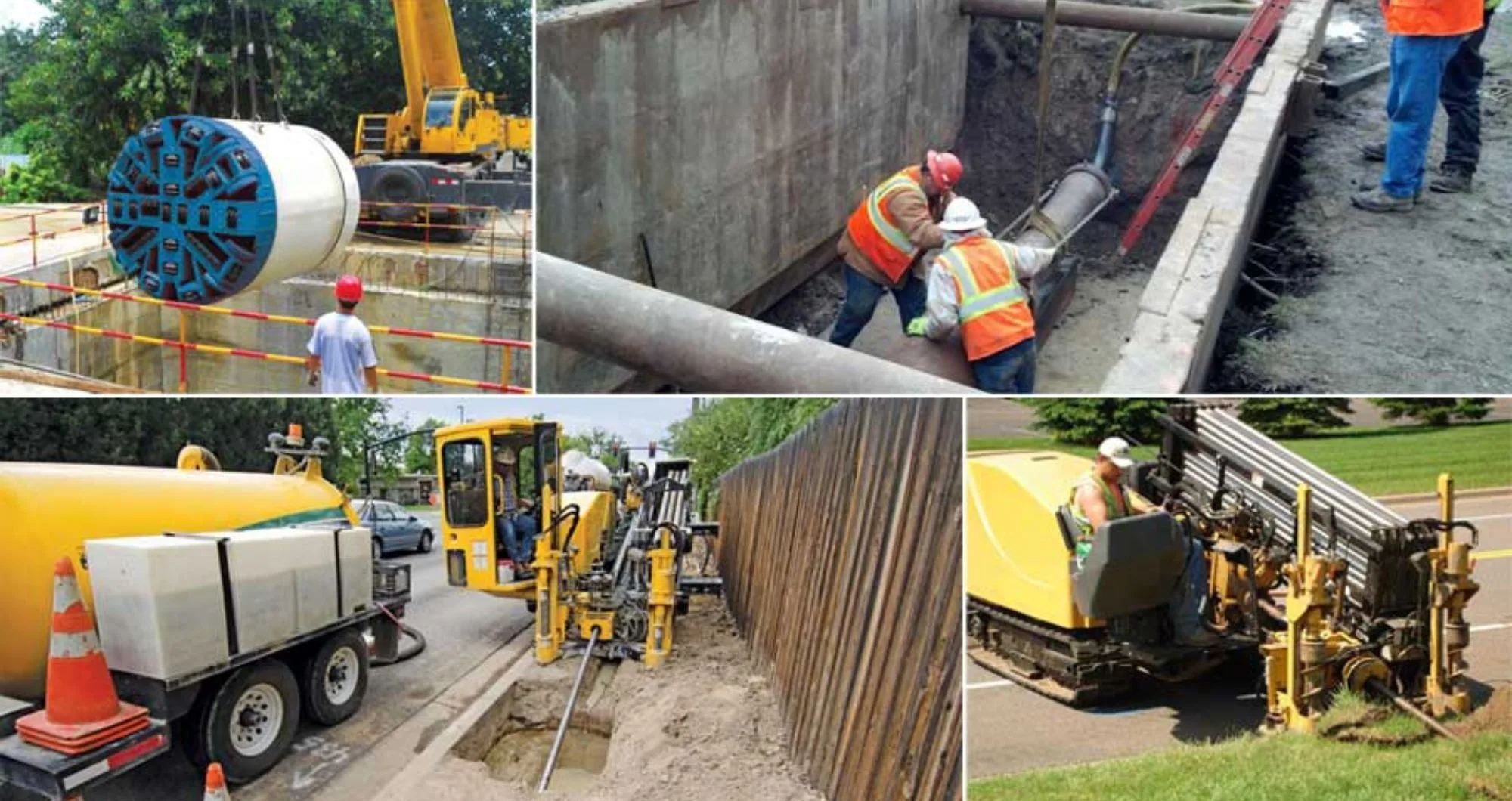

As cities grow denser and infrastructure demands increase, horizontal directional drilling (HDD) is proving to be one of the most effective solutions for underground utility installation. By eliminating the need for open trenching, HDD allows utilities to be laid beneath roads, rivers, and urban centres with minimal surface disruption. This trenchless method is now a cornerstone of modern infrastructure projects.
1. Urban Expansion Meets Modern Methods
Traditional excavation is becoming less viable in bustling urban environments. HDD offers a less invasive, more precise approach to laying fibre, water, gas, and electrical lines without interrupting daily life. Municipalities are increasingly mandating trenchless techniques in sensitive or high-traffic areas, boosting demand for specialised technology and skilled operators.
2. The Role of Equipment in Success
Directional drilling requires more than just technique—it demands high-precision equipment and reliable tooling. From locating systems to drill heads and mud recycling units, contractors rely on advanced gear to ensure accuracy and efficiency under varying geological conditions.
“In this industry, the difference between success and delay often comes down to having the right tools on-site, ready to go,” says a representative from ucghdd.com, a Florida-based supplier of HDD solutions. “Contractors can’t afford downtime—precision and preparedness are everything.”
3. Supporting the Fibre and Energy Boom
HDD has become especially important in supporting the rapid rollout of fibre-optic internet and renewable energy infrastructure. Its low-impact nature allows installations to progress quickly across residential and commercial zones, reducing costs while keeping projects on schedule.
With major infrastructure bills in motion across the U.S. and Europe, industry analysts expect HDD demand to surge through 2030, especially in urban and suburban areas where surface disruption is not an option.
4. Environmental and Economic Efficiency
Trenchless drilling isn’t just faster—it’s cleaner. By minimising surface excavation, HDD reduces vehicle movement, fuel consumption, and post-project restoration. Cities can meet sustainability goals while completing essential upgrades with less public opposition and fewer logistical hurdles.
Conclusion
As the global infrastructure landscape evolves, HDD is no longer a specialist technique—it’s a standard of modern underground construction. Whether supporting digital transformation or green energy grids, trenchless technology offers a smarter, more resilient way forward for growing cities.