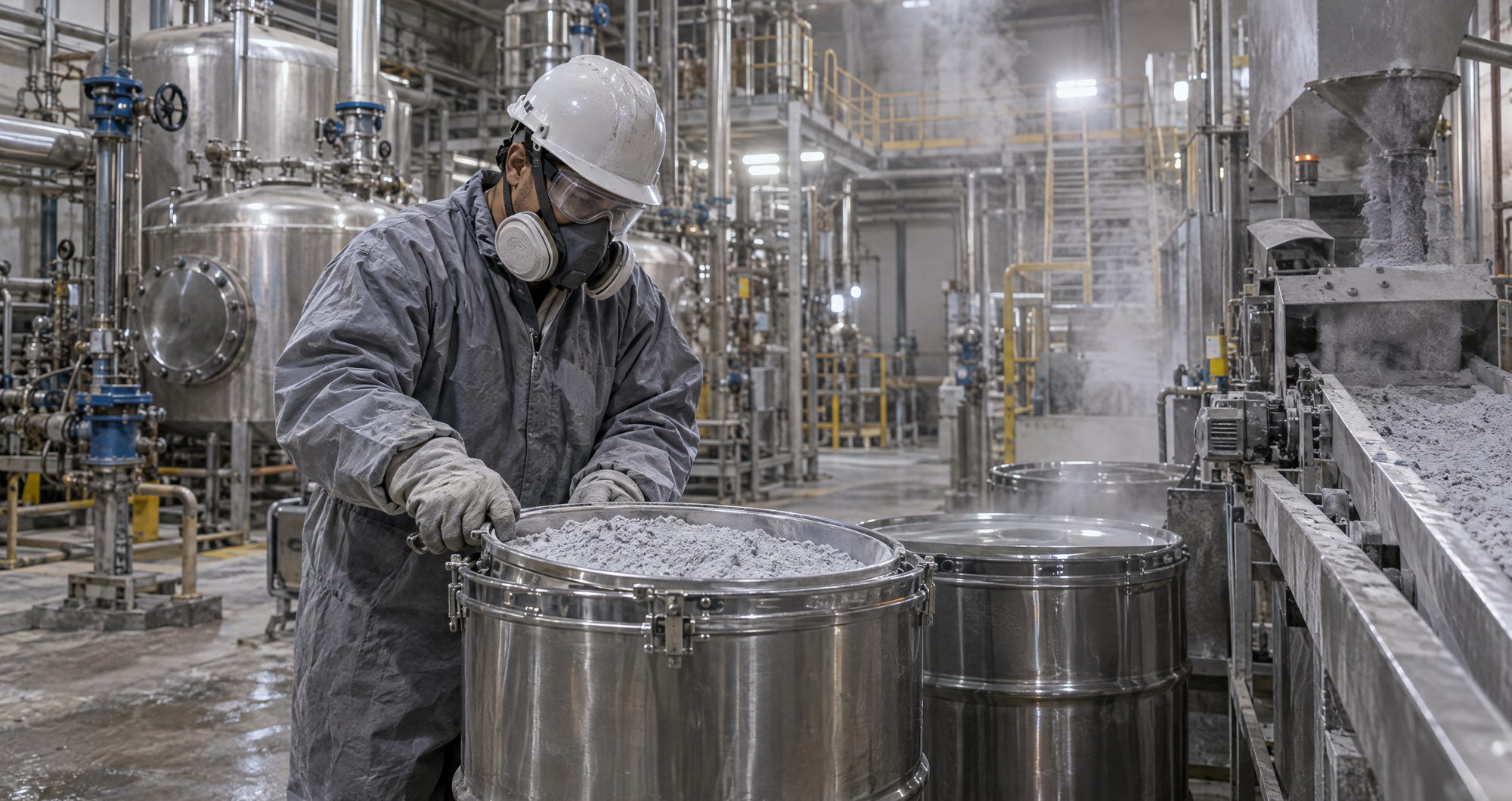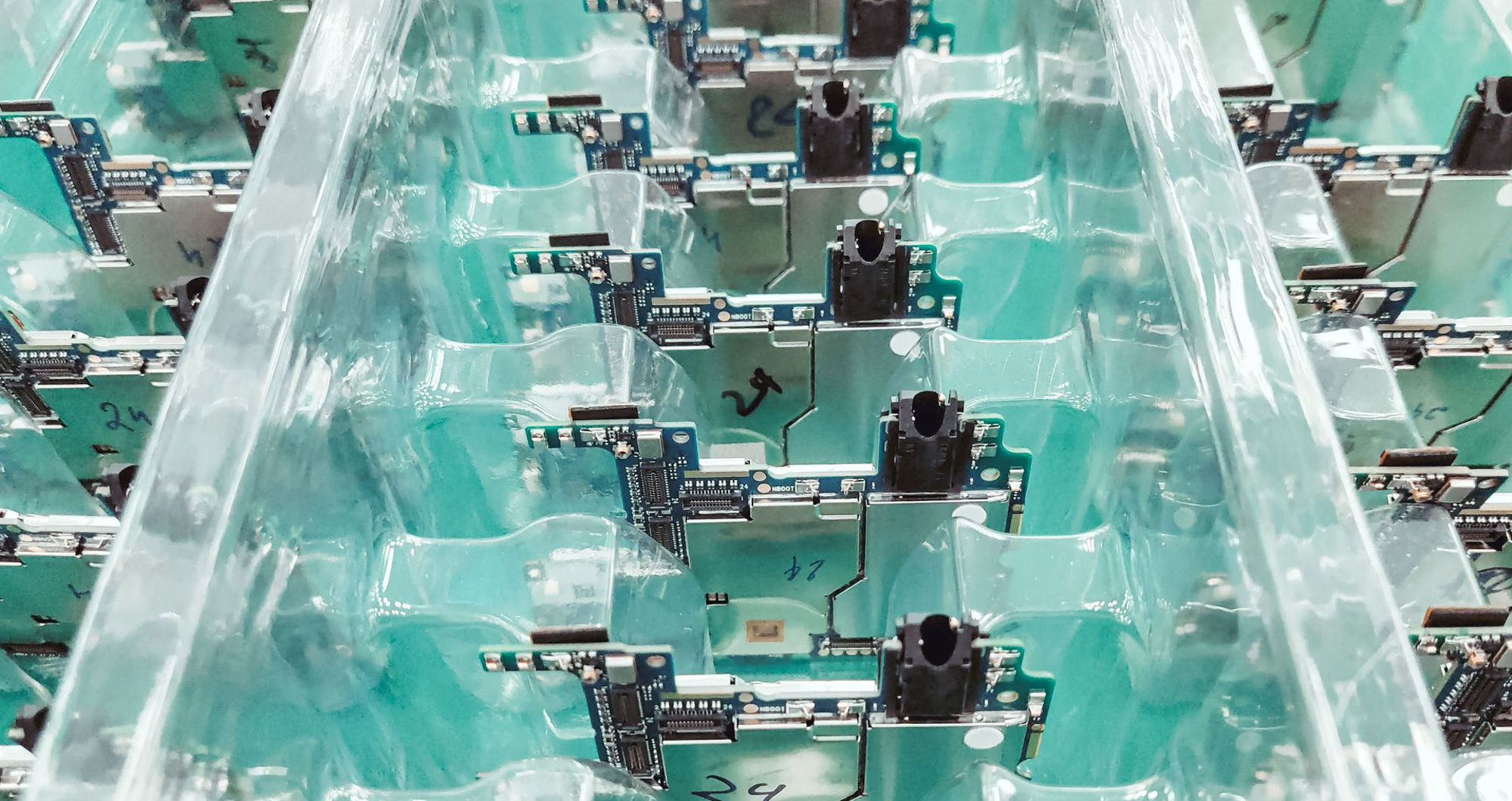

The flexible pcb manufacture industry is undergoing a profound transformation driven by the adoption of automation, robotics, and Industry 4.0 technologies that are reshaping every aspect of production operations. The integration of automated material handling systems, robotic process control, and data-driven quality management is enabling manufacturers to achieve unprecedented levels of efficiency, consistency, and quality in flexible circuit production. The flexible pcb manufacture process, which involves numerous precise and repetitive steps, is ideally suited for automation, and manufacturers who embrace these technologies are gaining significant competitive advantages in cost, quality, and delivery performance. The global adoption of Industry 4.0 principles in electronics manufacturing continues to accelerate, driven by the need for greater efficiency, the availability of advanced automation technologies, and the recognition that digital transformation is essential to long-term competitiveness. Understanding the role of automation and Industry 4.0 in flexible PCB production is essential for manufacturing executives, process engineers, and technology strategists who recognise that the future of manufacturing is digital, connected, and intelligent.
The Automated Material Handling Systems
The automated material handling systems deployed in modern flexible pcb manufacture facilities represent a significant advancement over traditional manual handling methods, enabling faster, more consistent, and less error-prone production operations. The automated guided vehicles transport materials between processing stations, eliminating the need for manual material movement and reducing the risk of damage or contamination that can occur during manual handling. The robotic arms equipped with specialised end effectors handle delicate flexible materials with precision and care, positioning them accurately for processing while preventing the damage that can occur with manual handling. The automated storage and retrieval systems manage inventory of raw materials and finished boards, tracking material locations and availability in real time and ensuring that materials are available when needed for production. The conveyor systems transport materials through the production process, maintaining consistent flow and minimising the need for manual intervention at transfer points. The automated material handling systems of flexible PCB manufacture have significantly improved production efficiency, reduced labour costs, and enhanced product quality by minimising handling damage and contamination.
The Role of Robotics in Process Automation
The robotics technology deployed in flexible PCB manufacturing facilities is performing increasingly complex tasks with precision and consistency, reducing reliance on manual labour and improving overall production quality. The robotic loading and unloading systems place materials into processing equipment and remove them after processing, eliminating the manual handling that can cause damage or contamination and ensuring consistent processing conditions. The robotic inspection systems use machine vision to examine boards for defects, detecting issues that would be difficult or impossible for human inspectors to see consistently and providing objective quality assessment. The robotic assembly systems place components and connectors onto flexible circuits, performing these precise operations with consistency and accuracy that human operators cannot maintain over long production runs. The robotic material handling systems transfer boards between different processing stations, maintaining proper orientation and timing to ensure smooth production flow. The robotics technology in flexible PCB manufacture enables the production of increasingly complex circuits with consistent quality and reduced labour costs, supporting the growth and competitiveness of the industry.
The Data Analytics and Process Optimisation
The data analytics and process optimisation capabilities enabled by Industry 4.0 technologies are transforming flexible PCB manufacture by providing unprecedented visibility into production operations and enabling data-driven decision-making. The sensor networks throughout the production facility collect real-time data on process parameters, equipment performance, and product quality, providing comprehensive visibility into production operations. The data analytics platforms process this data to identify patterns, detect anomalies, and predict potential issues, enabling proactive intervention and continuous improvement. The machine learning algorithms analyse production data to identify the optimal process parameters for different products and conditions, enabling automated process optimisation and reducing the need for manual adjustment. The predictive maintenance systems analyse equipment performance data to predict when maintenance will be needed, scheduling maintenance at convenient times and preventing unexpected breakdowns. The quality management systems analyse inspection and test data to identify quality trends and root causes of defects, enabling targeted corrective actions and continuous improvement. The data analytics and process optimisation capabilities of flexible PCB manufacturing are essential to achieving the efficiency, quality, and competitiveness required in today’s global marketplace.
The Integration of Digital Twin Technology
The adoption of digital twin technology is enabling flexible PCB manufacturing to achieve new levels of process understanding and optimisation by creating virtual replicas of production processes that can be analysed and improved without disrupting actual production. The digital twin of the manufacturing process simulates every step of production, from material preparation through final testing, enabling engineers to understand process behaviour and identify improvement opportunities without disrupting actual production. The simulation capabilities of the digital twin enable engineers to test process changes virtually before implementing them on the production floor, reducing the risk of costly mistakes and accelerating process improvement. The predictive capabilities of the digital twin enable manufacturers to anticipate issues before they occur, adjusting process parameters in advance to prevent defects and minimise waste. The training applications of the digital twin enable operators to learn process operations in a safe, virtual environment, reducing the risk of errors during actual production. The digital twin technology in flexible PCB manufacture represents a significant advancement in manufacturing capability, enabling manufacturers to achieve new levels of process understanding, control, and improvement.
Feature image by Pexels