

When it comes to getting a good night’s sleep, the quality of your mattress plays a critical role. A comfortable mattress can make the difference between waking up refreshed and suffering from aches and pains. However, with so many options available, it can be overwhelming to figure out what exactly makes a mattress comfortable. In this article, we will explore the science behind mattress comfort and highlight the key factors to consider when shopping for your perfect sleep surface.
Understanding Mattress Comfort
At the heart of mattress comfort is how well it supports your body while ensuring you remain relaxed throughout the night. The right mattress provides support to your spine, aligns your body, and offers relief from pressure points. But how does a mattress achieve this comfort?
The key lies in the combination of several elements, such as material, firmness, and design. Understanding how these factors work together can help you choose a mattress that will give you restful sleep and lasting comfort.
1. Material Matters: The Foundation of Comfort
One of the most important factors in mattress comfort is the material. Different types of materials offer unique benefits, and your choice will influence how well the mattress supports you.
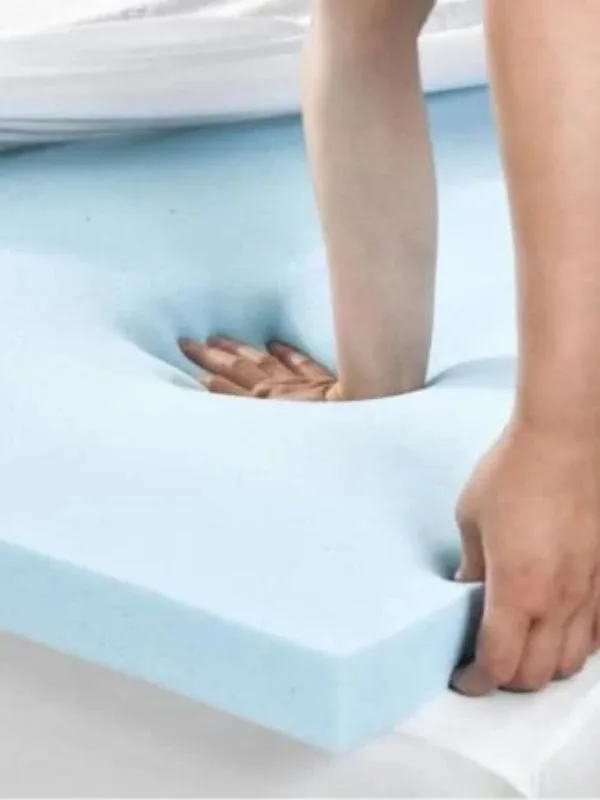
- Memory Foam: Memory foam mattresses are known for their ability to contour to the shape of your body, relieving pressure on joints and promoting proper spinal alignment. The foam responds to body heat and weight, which makes it a great choice for those who suffer from back pain.
- Innerspring: Traditional innerspring mattresses are made with coils that offer a responsive feel. These mattresses provide solid support and are often preferred by people who like a bouncier surface. Innerspring models come in various coil designs, with pocketed coils offering more targeted support.
- Latex: Latex mattresses are highly durable and naturally resistant to dust mites and allergens. They offer a balanced level of support, providing firmness while still being comfortable. Latex mattresses are also known for their cooling properties, which can be beneficial for hot sleepers.
- Hybrid: A hybrid mattress combines the benefits of multiple materials, typically incorporating both memory foam and innerspring coils. This type of mattress aims to provide the best of both worlds: pressure relief and support.
Each material has its own set of advantages, so your choice will depend on your specific sleep needs and preferences.
2. Firmness: Finding the Right Balance
Firmness is a critical factor when determining mattress comfort. What feels comfortable to one person may not be suitable for another. Generally, mattresses fall on a firmness scale from 1 (very soft) to 10 (very firm). Here’s how to choose the right firmness for you:
- Soft Mattresses(1-3): Ideal for side sleepers, soft mattresses allow the body to sink into the bed, providing pressure relief for the hips and shoulders.
- Medium Firm Mattresses(4-6): This is the most common firmness level and works well for a variety of sleeping positions. Medium-firm mattresses offer a good balance of support and comfort, making them ideal for back and stomach sleepers.
- Firm Mattresses(7-10): Firm mattresses are best for back sleepers or those who need extra support. A firmer mattress prevents excessive sinking, keeping the spine aligned throughout the night.
It’s important to remember that your body type and sleeping position should influence your decision. For example, heavier individuals may prefer a firmer mattress, while lighter people might prefer something softer.
3. Support: The Backbone of Comfort
Support is a crucial aspect of mattress comfort. A mattress that provides the right support maintains your spine’s natural alignment and ensures that no part of your body sinks too much or feels too pressured.
Spinal alignment is the goal here. When you sleep, your spine should remain in a neutral position, without any unnatural curves. A mattress that is too soft can cause you to sink too deeply, disrupting alignment, while one that is too firm may fail to relieve pressure on areas like the hips and shoulders.
Mattresses with individual coil systems (such as pocketed coils) can offer more precise support. These systems adjust to the curves of your body, providing targeted support and reducing motion transfer if you sleep with a partner.
4. Pressure Relief: Reducing Aches and Pains
Pressure relief is particularly important for people who suffer from chronic pain or spend long hours in bed. Areas such as the shoulders, hips, and knees are more prone to developing pressure points. A mattress that offers adequate pressure relief helps alleviate discomfort and can lead to more restful sleep.
Memory foam is well-known for its ability to relieve pressure points, as it conforms to the shape of your body. Additionally, hybrid mattresses that combine foam with supportive coils can provide both pressure relief and firm support.
5. Temperature Regulation: Staying Cool
A mattress that traps heat can lead to discomfort, especially for hot sleepers. Overheating during the night can cause restless sleep and disrupt your sleep cycle. If you tend to sleep hot, choosing a mattress with temperature regulation features is essential.
Gel-infused memory foam and open-cell foam are designed to promote airflow and reduce heat retention. Similarly, latex mattresses tend to stay cooler than memory foam due to their natural breathability. Hybrid mattresses with breathable materials and cooling features also offer a good solution for those who struggle with heat buildup.
6. Durability: Comfort That Lasts
A mattress is an investment in your health, and you want it to last for years to come. Durability is a key factor in determining long-term comfort. A high-quality mattress made from durable materials will not only provide better support but will also retain its comfort for a longer period.
Look for mattresses that come with a long warranty, as this often reflects the manufacturer’s confidence in the quality and durability of the product. Innerspring mattresses generally have a shorter lifespan than foam or latex options, which tend to be more durable.
Conclusion: Finding Your Ideal Mattress
Choosing the right mattress is an essential step toward improving your sleep quality and overall well-being. By understanding the science behind mattress comfort and considering factors such as material, firmness, support, pressure relief, temperature regulation, and durability, you can find the perfect mattress to meet your needs.
Remember that comfort is subjective, and what works for one person may not work for another. It’s essential to test different mattresses and choose the one that best suits your body type, sleeping position, and personal preferences.
Ultimately, investing in the right mattress can help you wake up feeling refreshed and ready to take on the day, free from aches and discomfort. Whether you’re looking for a memory foam mattress or a hybrid option, make sure to choose the one that will give you the comfort and support your body deserves.