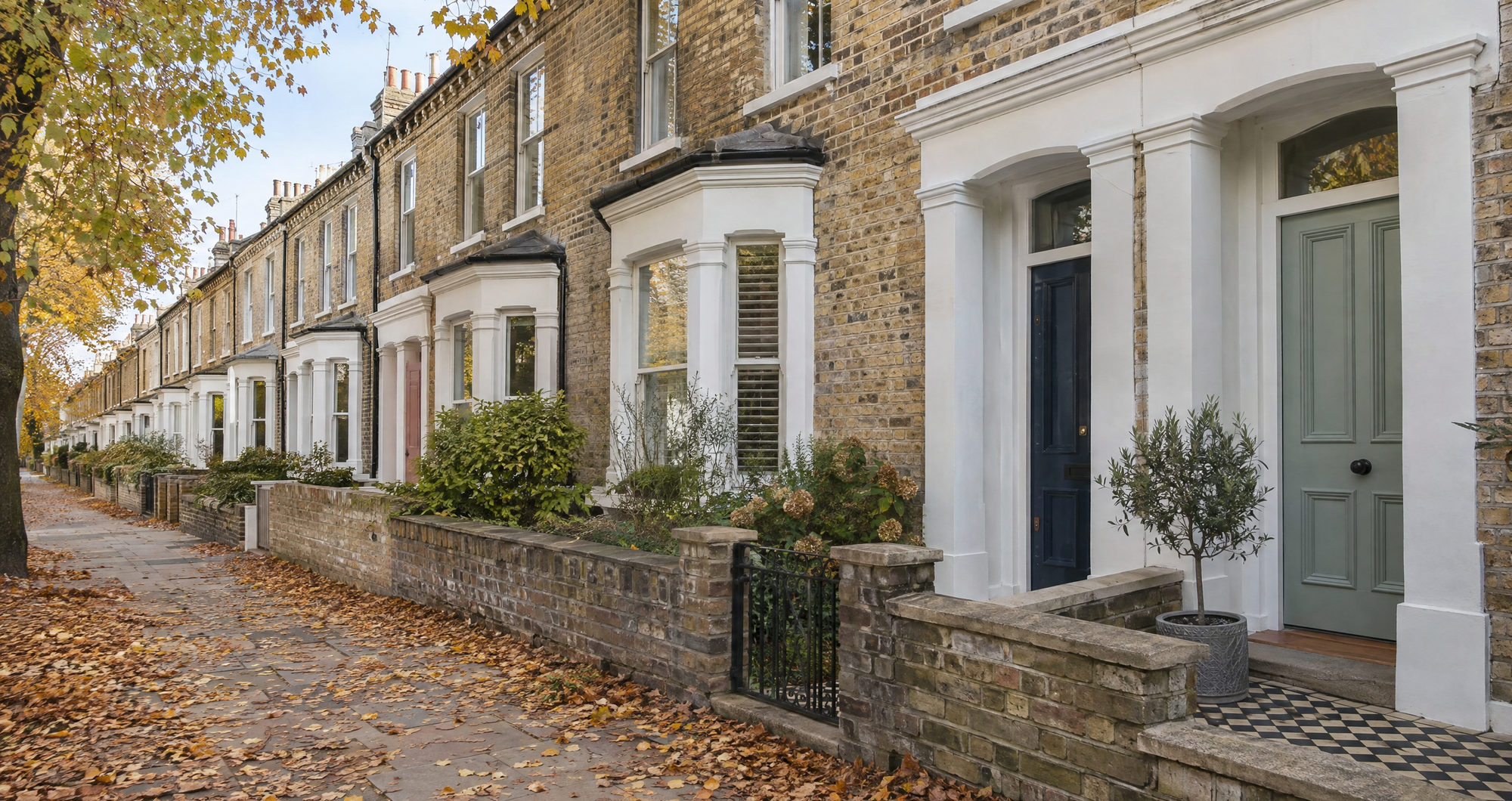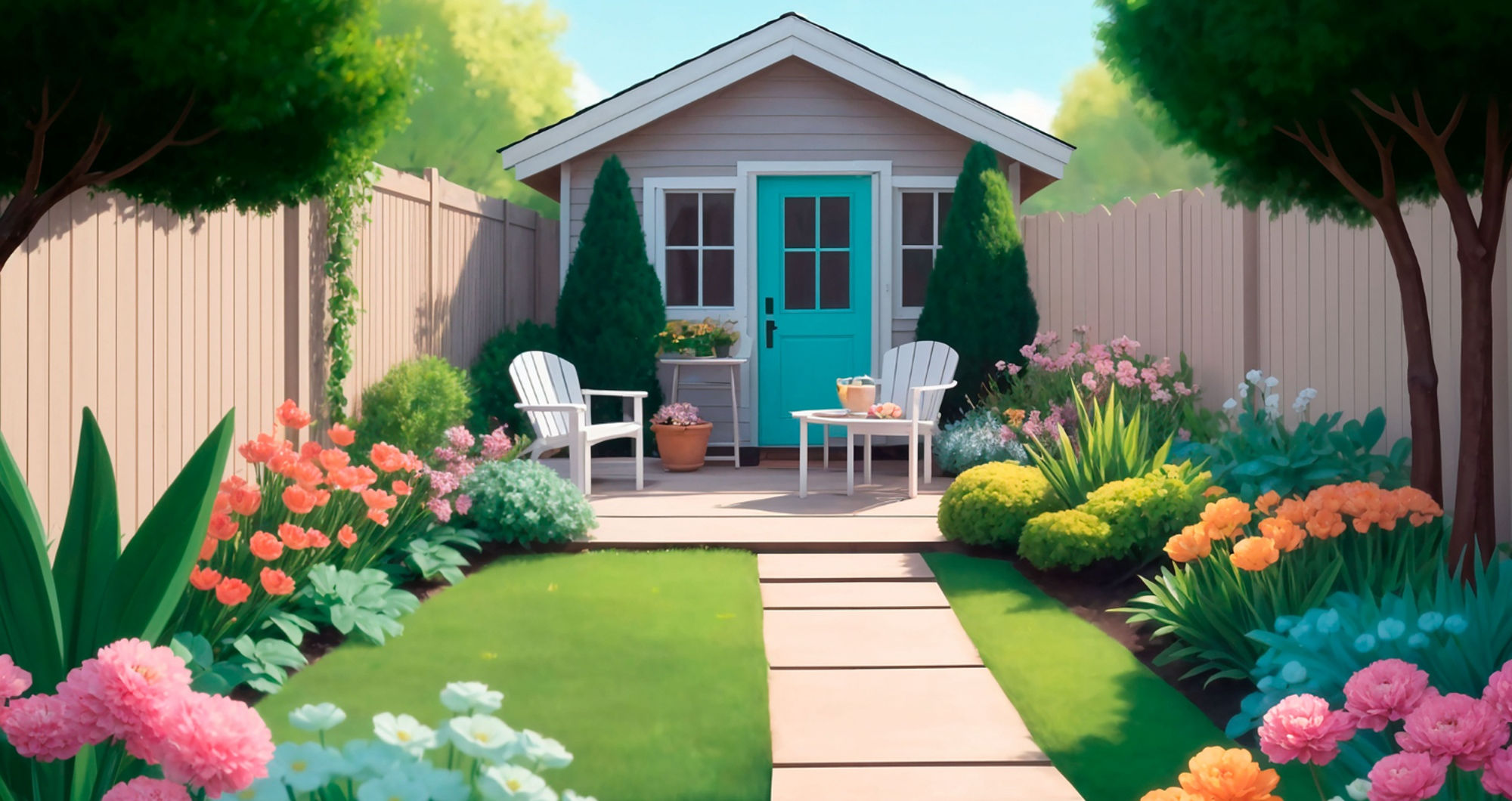

In London, outdoor space is no longer measured in acres. It is measured in metres. From narrow terraces in Clapham to compact courtyards in Hackney and balcony gardens in Canary Wharf, the capital’s homeowners are proving that size is no barrier to style.
What we are seeing across the city is a quiet design shift. Instead of filling small gardens with too many plants or oversized furniture, Londoners are thinking vertically, structurally and intentionally. The result is what designers are calling the small space revolution.
Less clutter, more structure
In compact gardens, every item must earn its place. Bulky resin ornaments and temporary décor are being replaced with sculptural elements that act as focal points. A single strong feature often works better than multiple smaller pieces competing for attention.
Materials matter too. Weathered steel, stone and natural wood complement the brick, slate and concrete that define much of London’s architecture. In tight spaces, contrast creates impact.
Vertical thinking in tight terraces
When floor space is limited, height becomes an opportunity. Climbing plants, wall-mounted planters and tall decorative pieces draw the eye upward, making even a six-metre garden feel layered and dynamic.
This is where metal garden ornaments have found a natural home. Slender sculptural flowers, vertical plant supports, and statement pieces can add height without overwhelming the footprint. In a narrow garden in Walthamstow or a townhouse courtyard in Islington, a single rusted steel feature can anchor the space and provide year-round interest.
Designing for London’s climate
London gardens face a unique mix of conditions. Shade from surrounding buildings, fluctuating temperatures and damp winters mean durability is essential. Homeowners are moving away from materials that chip, fade or crack.
Weathered steel has gained popularity because it develops a natural patina over time rather than deteriorating. The finish evolves with the seasons, complementing autumn foliage as easily as spring blooms. For small gardens, this longevity matters. There is little room for décor that needs constant replacing.
Wildlife in the city
Even in the most urban boroughs, biodiversity is high on the agenda. Compact gardens are being designed to attract birds, bees and pollinators. Vertical feeders, rain catchers and subtle decorative pieces that double as wildlife features are increasingly common.
A thoughtfully placed metal bird feeder or sculptural rain catcher can support urban wildlife without dominating a small layout. In micro gardens, multifunctional design is key.
From blank slate to personality
Many London homeowners, particularly in new-build developments across zones three and four, are handed a simple patch of lawn and fencing. The challenge is adding character quickly.
Designers suggest starting with one focal element. A textured sculpture, a weathered steel feature or a striking vertical ornament can immediately break up flat lines and introduce depth. From there, planting can soften and frame the feature, creating a layered look that feels curated rather than crowded.
The small space revolution is not about making gardens bigger. It is about making them smarter. Across London, compact outdoor areas are being treated with the same attention to detail as interiors. The result is a new standard for urban living where even the smallest plot can deliver impact, personality and permanence.