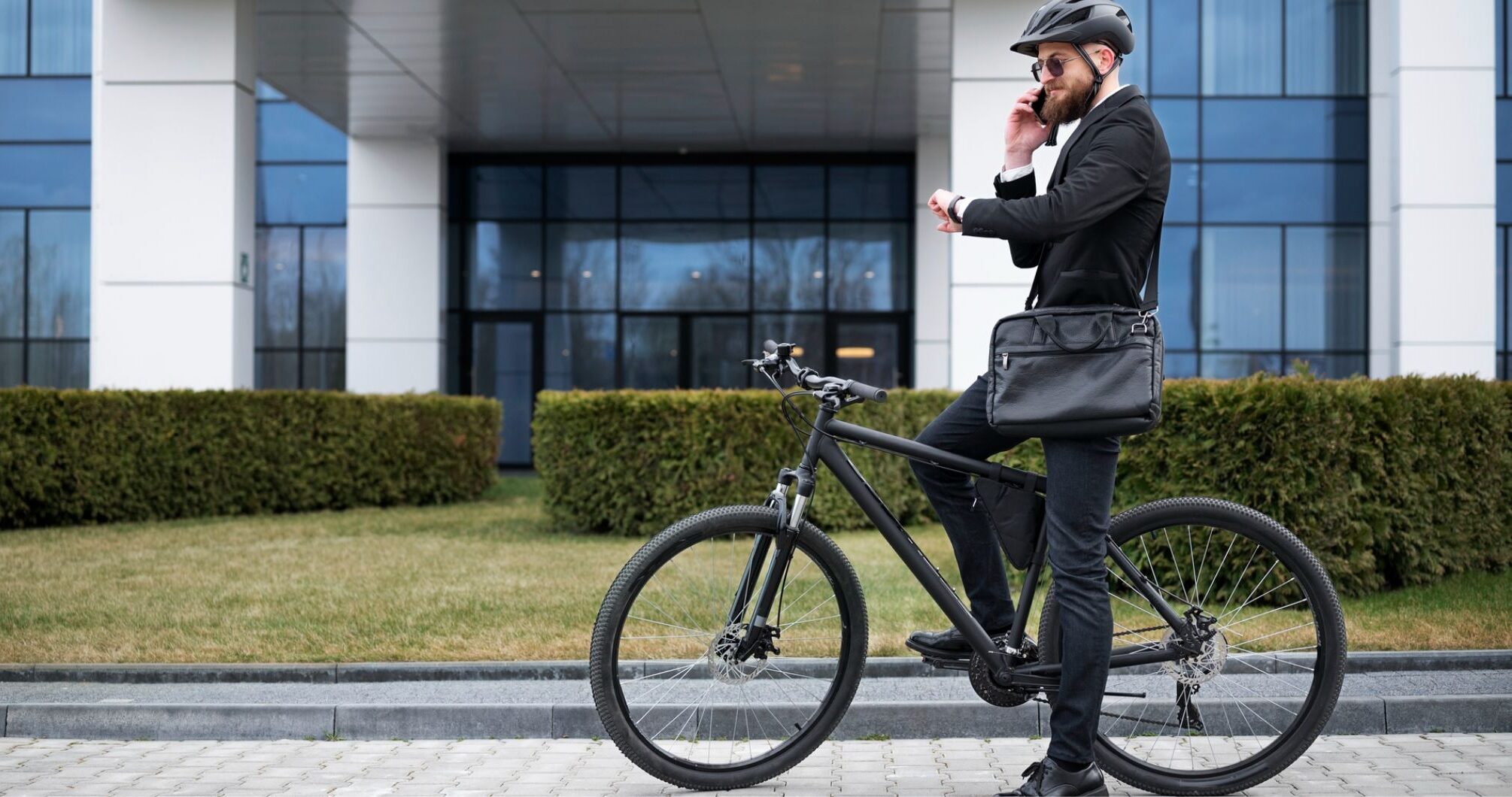

As urbanisation continues to accelerate, short-distance commuting efficiency is becoming one of the core issues shaping modern daily life. Faced with real challenges such as congestion, limited parking, and the high cost of short trips, electric bikes—combining convenience and environmental benefits—are increasingly becoming everyday tools for city residents.
Traditional bicycles are certainly lightweight, but their power is limited, while car-only travel often gets caught in traffic and parking difficulties. Electric-assist bikes sit between the two: they preserve a light riding experience while providing power assistance, creating a distinct advantage in short-distance, everyday transportation scenarios.
According to industry estimates, lightweight electric-assist bikes typically achieve more reasonable overall weight control, making daily use less physically demanding, easier to store, and better suited to multi-stop urban travel needs. This trend is not only reflected in product design but is also gradually becoming an important part of how urban mobility ecosystems are being shaped.
Lightweight Design: A Rational Balance Between Weight and Efficiency
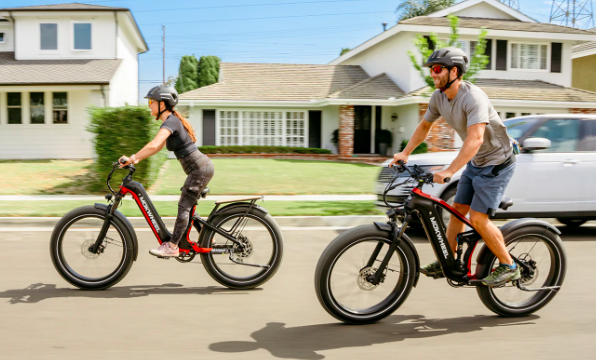
In most technical analyses, lightweight design refers to reducing overall bike weight through optimisation of frame materials, motor size, and battery layout. The industry generally agrees that when total bike weight is kept around 14–18 kg (approximately 30–40 lbs), ebikes are easier to handle and store in daily commuting environments.
Traditional electric bikes often exceed 20 kg, while lighter designs not only improve portability but also enhance energy efficiency, allowing riders to achieve better real-world range.
For example, in situations such as carrying a bike up or down stairs, entering elevators, or taking public transportation, a model with a well-balanced weight is noticeably easier to manage and less likely to create resistance during handling. In everyday life, this kind of “weight threshold” often has a greater impact on actual usage frequency than technical specifications.
Improved Riding Experience: Lighter, Less Effort, Closer to Everyday Life
Another practical advantage of lightweight design is the improvement of the overall riding experience. In typical urban scenarios such as moving through neighbourhoods, starting at traffic lights, and climbing gentle slopes, a lighter bike places less load on the motor and can deliver higher energy efficiency with the same battery capacity.
Compared with heavier models, lightweight bikes respond more quickly and naturally during starts, acceleration, and assisted climbing on mild inclines, making them feel more agile within everyday traffic flow.
In addition, with reduced load, the rider’s physical effort is also lower. Even without power assistance, lightweight bikes feel closer to traditional bicycles, reducing the psychological burden of relying on assistance. This design approach—feeling more like a bicycle, but requiring less effort than one—is one of the key reasons lightweight models are being more widely accepted.
Optimising Range and Power: Not Just Lighter, but Properly Configured
Many people worry that lightweight design may affect power output or range, but in practice, this is not the case. Through thoughtful design of the electric-assist system and the use of efficient battery cells, lightweight electric-assist bikes can still achieve practical range levels in urban commuting scenarios.
Industry data shows that well-configured models often support a range of 40–70 km under city riding conditions, which is already sufficient to meet the needs of most daily commuting and short shopping trips.
Of course, range performance is influenced not only by weight, but also by factors such as battery capacity, assist levels, road conditions, and rider weight. That’s why choosing the right model requires balancing range and portability, rather than simply pursuing the lowest possible weight. A scientifically balanced configuration ensures usable range while remaining lightweight—and this overall design approach lies at the core of the lightweight trend.
Market Landscape: Consumer Choices Moving from Premium to Everyday Use
In recent years, driven by growing global demand for low-carbon and efficient mobility solutions, the market supply of lightweight models has been steadily increasing. Whether for everyday urban commuting or for leisure riding and short-distance travel, these products are expanding the range of options available to consumers.
As brands and business models mature, users searching for an ebike for sale can now find a wide variety of segmented options, including folding models, commuter-focused designs, and light off-road variants. Lightweight bikes with different positioning address different usage preferences, further unlocking market potential.
Efficient, lightweight, and configurable feature combinations have helped lightweight electric-assist bikes move beyond being “design experiments” or “high-end toys,” and into more mainstream, everyday, and practical transportation tools. Across different price ranges and feature sets, consumers can make more precise choices based on their commuting distance, road conditions, and storage needs—without treating weight as the only deciding factor.
Urban Mobility Trends: Lightweight Design and Sustainability
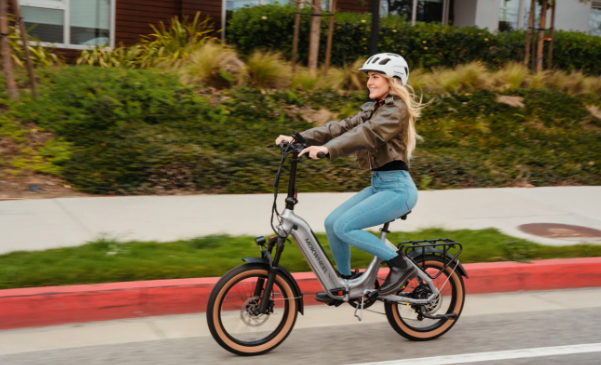
Lightweight electric bikes not only enhance the user experience but also align closely with current urban expectations for sustainable transportation. As one of the green mobility options with zero emissions and low energy consumption, these vehicles can replace some car trips at a relatively low environmental cost—helping reduce traffic congestion, lower carbon emissions, and improve urban air quality.
As city planners place greater emphasis on the development of active transportation systems, along with the expansion of shared mobility and micromobility services, the role of lightweight electric-assist bikes is gradually shifting from a “personal transportation tool” to a supplementary component of urban mobility infrastructure. This trend is not only reshaping how people move around cities but also supporting the broader development of green urban transportation systems.
Lightweight Design as a Core Direction for Optimising Mobility Experience
Lightweight design is not an isolated technical feature, but a systematic choice based on real-world travel scenarios. By optimising the balance between weight and performance, it brings electric mobility closer to everyday life, rather than turning it into an added burden.
When transportation truly fits into the rhythm of daily life—rather than becoming something users must “adapt to”—its efficiency, comfort, and environmental benefits can be fully realised, helping urban mobility move toward a more efficient and sustainable future.