
Police have named Thomas Carey, 39, from Lambeth, as the man who died after emergency services were called to Poynders Road on the Oaklands Estate on 4 September. The Metropolitan Police Service says a murder investigation is continuing and that no arrests had been made when it issued its statement naming Mr Carey.
The update gives the investigation a public identity while leaving key questions unresolved. The Met has appealed for information as detectives continue their enquiries into Mr Carey’s death. The force’s confirmation does not set out how he died, who may have been involved or what may have happened before emergency services arrived. Those matters remain for the investigation, and no further conclusions should be drawn from the naming announcement.
Emergency response on Poynders Road
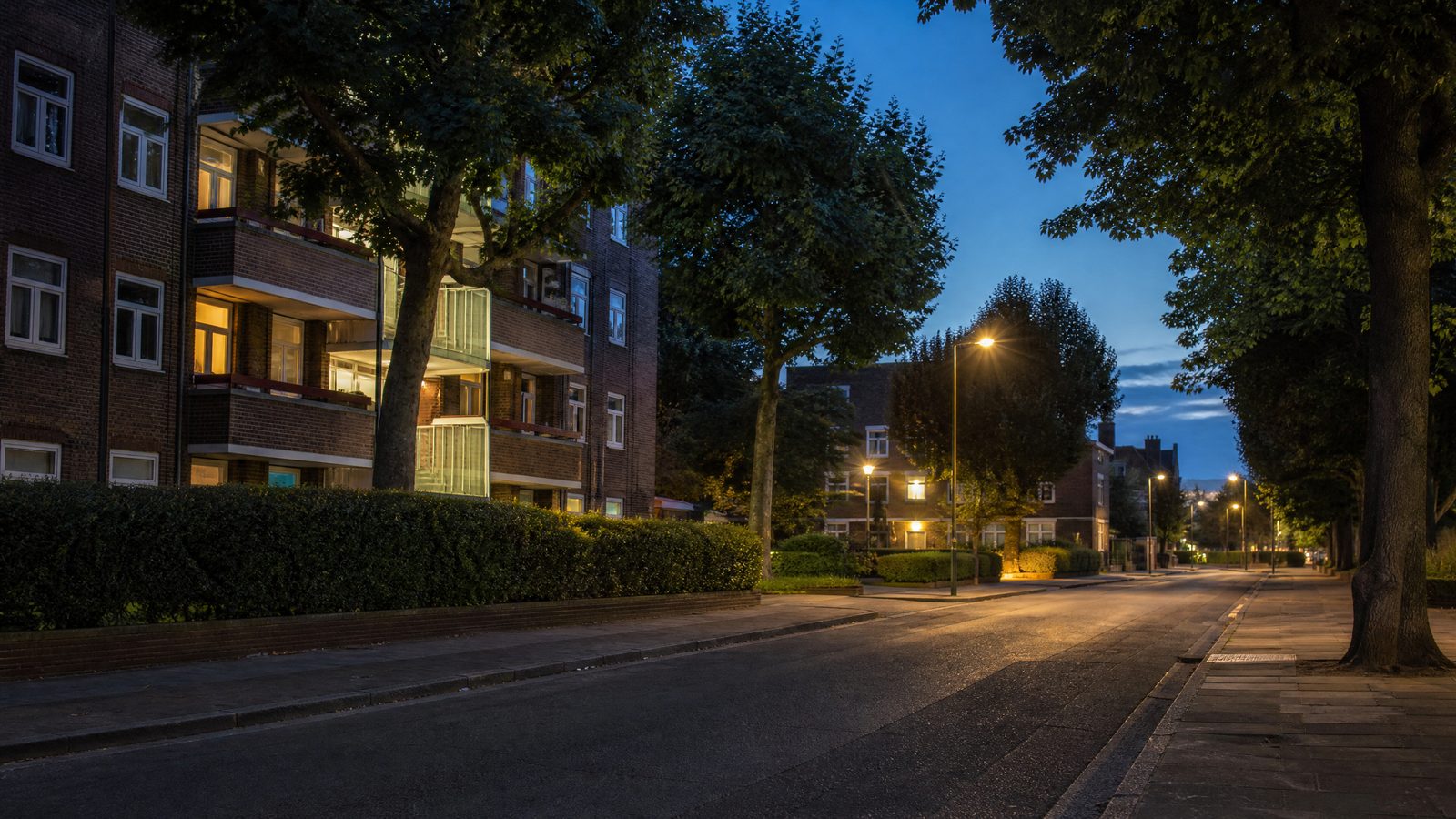
According to the Metropolitan Police, emergency services attended Poynders Road at about 8.35pm BST on 4 September. The road is on the Oaklands Estate in Lambeth, placing the inquiry at the centre of a residential part of south London.
Police have confirmed that Mr Carey was from Lambeth and was 39 years old. The Metropolitan Police has described the case as a murder investigation. Its statement said the inquiry remained ongoing when Mr Carey was named on 7 September, and that officers had not made any arrests at that point.
That distinction is important. An investigation is an active process in which officers gather, assess and test evidence. The public statement identifies the nature of the inquiry and records the position on arrests at the time it was released; it does not announce a suspect, a charge or a finding about responsibility. Any later developments would need to be confirmed separately by police or through the courts.
Why the appeal matters locally
For residents in Lambeth, the announcement is likely to bring renewed attention to events around Poynders Road on the evening of 4 September. In an investigation at an early or continuing stage, information that may appear minor to someone who saw it can help officers build a clearer account of timings, movements or circumstances. The Met’s continuing public appeal means people who believe they hold relevant information can still make contact with the force.
The request is not limited to people who think they witnessed a single decisive moment. A person may have noticed activity in the area, seen someone arrive or leave, or retained information that helps establish a sequence of events. Police will determine whether any material is relevant. Residents should avoid sharing unverified allegations or attempting to identify people themselves, as this can cause distress and risk undermining a formal inquiry.
The case also underlines the practical role of local communities after a serious incident. Members of the public who have information can pass it directly to investigators rather than relying on speculation. People who are worried about an immediate risk should seek urgent assistance through the appropriate emergency route. For non-urgent information connected with the investigation, the relevant route is the Metropolitan Police appeal.
What is confirmed, and what remains unresolved
The confirmed position is narrow but significant: emergency services attended Poynders Road at about 8.35pm BST on 4 September; the deceased has been identified as Thomas Carey, 39, from Lambeth; and the Metropolitan Police says a murder investigation is under way. At the time of the force’s naming statement, no arrests had been made.
There is no official account in the available update of a suspected motive, a sequence of events, a possible suspect or a timetable for the next announcement. Neither the naming of Mr Carey nor the opening of a murder investigation establishes criminal responsibility against any individual. The investigation may develop as officers review evidence and receive further information.
Independent reporting has also covered the police announcement, but the core facts currently available come from the investigating force. In a sensitive case, that matters because early reports can be incomplete and information can change as inquiries progress. The most reliable guide to the immediate status of the case is the formal police position: the investigation continues, the appeal for evidence remains active and there were no announced arrests when Mr Carey was named.
What happens next
Detectives will continue to pursue lines of inquiry and assess information supplied through the appeal. Further updates may clarify whether arrests are made, whether anyone is charged or whether police release additional detail. Until then, the public naming of Thomas Carey is both a formal identification and a renewed call for anyone with relevant knowledge of Poynders Road on 4 September to come forward to the Metropolitan Police.
For Lambeth residents, the immediate relevance is straightforward: preserve and report information that may assist the inquiry, rely on confirmed updates rather than online speculation, and allow investigators to establish the facts. The inquiry remains ongoing.