
A man has been sentenced to 20 years in prison for his part in an attempt to smuggle 780kg of cocaine into the UK inside a lorry carrying steel furniture, in an operation that police say was worth more than £80m at street level.
Craig Le-Mare, 36, of no fixed abode, was convicted of conspiracy to supply the drug at the Old Bailey on 27 October and sentenced on 4 November. Two other members of the network were jailed earlier, taking the total prison time handed down in the case to more than 47 years.
The seizure
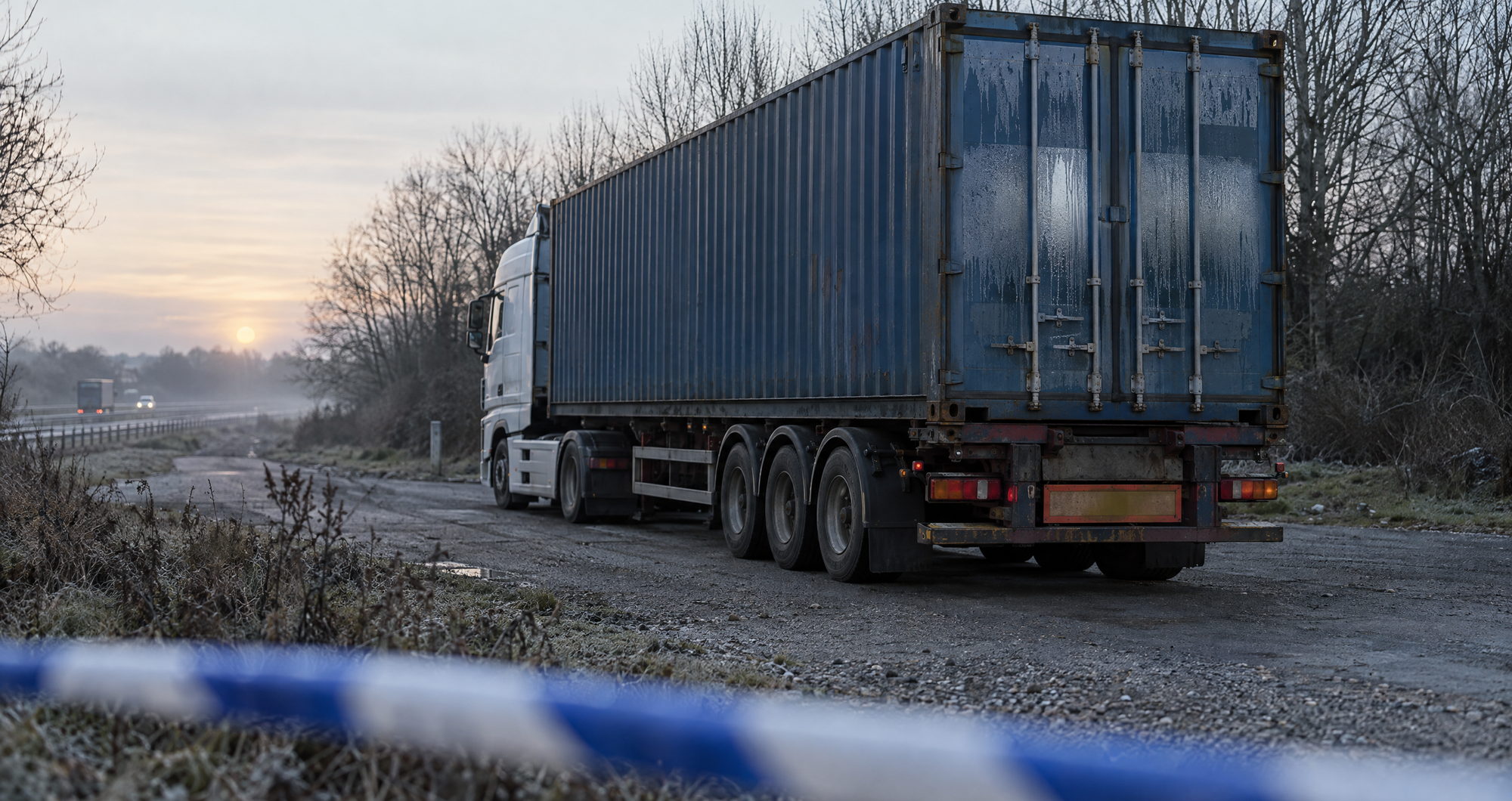
The container lorry had travelled from Mexico, sealed before departure on 30 September 2021 and carrying 29 pallets of steel furniture parts. It was parked in a layby on Lilliput Road in Northampton when it was broken into on 26 November 2021.
Eighteen holdalls were taken. Seven were left behind in the lorry and eleven more were recovered from a grey Transit van within two hours, after bystanders saw packages being moved between the vehicles. The consignment weighed 780kg.
Michael Weston, 57, was sentenced to 12 years and nine months in May 2026. Kelly Robertson, 46, of Watford, was sentenced to 15 years in November 2024. Le-Mare was arrested at Gatwick Airport in January 2025, more than three years after the raid.
How the network was tracked
Detectives established that members of the group had travelled to Ipswich to meet the lorry on 12 November 2021, then followed it 125 miles to Northamptonshire. They booked hotel rooms and hire vehicles in the days before the break-in and exchanged messages describing their plans in vague but incriminating terms.
The investigation took more than two years and involved tracking the network across the country, including forensic work on the vehicles and analysis of communications. The officer who led it, Detective Inspector Dean Grafton, said the sentences reflected the determination to pursue organised crime groups regardless of how long it takes.
The case follows a familiar pattern for consignments arriving from Latin America. The drugs are packed into a legitimate load, the container is sealed at origin, and a team is assembled in the UK to break into it once it reaches a quiet location. The weak point is the people who have to be recruited to move the load, and their communications.
Why the case matters
Seizures of this size are rarer than the public might assume, and each one removes a consignment that would have been distributed across the country through county lines networks. The street value quoted by police is an estimate based on wholesale and retail prices, and it understates the harm that the drug causes in the communities where it is sold.
The sentencing also illustrates how long the legal process takes. The seizure happened in November 2021, the first sentence was passed in November 2024, and the final defendant was sentenced this week. Investigations of this kind depend on evidence gathered years earlier, and defendants are often arrested long after the event when they believe the trail has gone cold.
Border security is only part of the picture. The container passed through ports without being detected, and the conspiracy was disrupted by a combination of local intelligence and the opportunistic observations of people who saw a lorry being unloaded in a layby. That is not a repeatable enforcement model, but it is the one that worked here.
All three defendants are now serving long determinate sentences. Police have said the investigation into the wider network that arranged the shipment from Mexico remains open, and further arrests have not been ruled out.