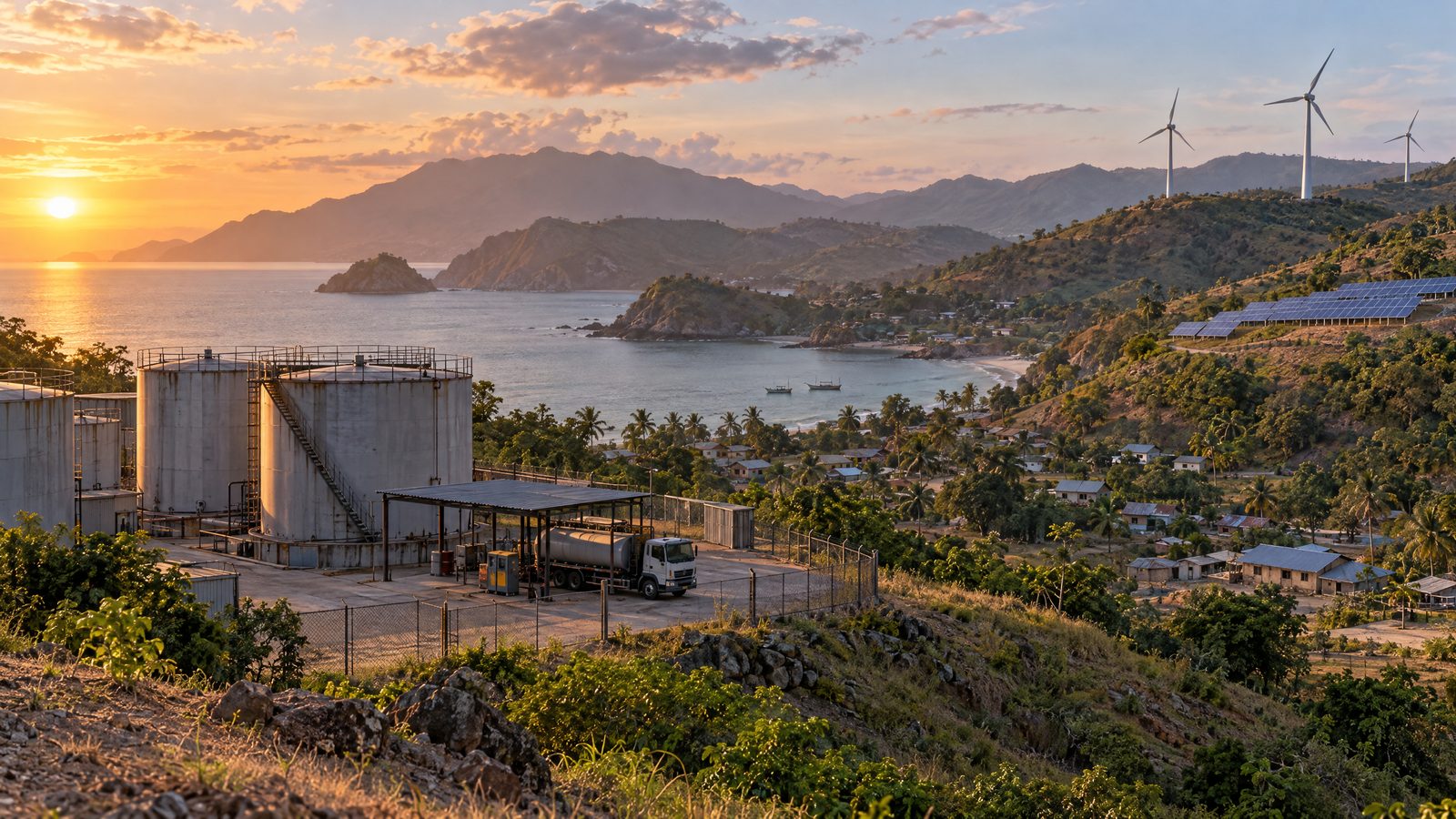

Timor-Leste’s president has described the country’s dependence on diesel-fired electricity as a barrier to investment, while arguing that fossil-fuel development remains part of the route towards a greener economy.
José Ramos-Horta made the remarks in Perth on Monday, 19 October, during Global Citizen NOW: Perth, an energy-focused summit running from 18 to 20 October. The president said Timor-Leste’s electricity grid was almost exclusively powered by expensive diesel. He said the cost of energy was deterring investors and that the country had no immediate alternative.
Ramos-Horta presented fossil-fuel development as a temporary economic necessity rather than a rejection of the energy transition. He said revenue from oil and gas, including offshore and onshore resources, would be needed for many years to help diversify the economy into green energy. His position was that Timor-Leste could not move quickly enough without resources to finance the change.
In a further explanation of that position, the president said the country had achieved national electrification but remained burdened by high diesel costs. He also pointed to a recently launched US$100 million solar project involving France’s EDF and Japanese partners, intended to power 100,000 households. Those details described a project and its stated aim, rather than a reported result on completed generation or households already supplied.
He also linked his argument to the availability of outside assistance. The president said official development assistance, which could make a faster transition possible, had “almost ceased to exist”. He said some traditional donor countries had redirected aid to Ukraine-related needs and refugee support in Europe. Those were his assessments of aid trends; no new aid package or change in policy for Timor-Leste was announced during the discussion.
At the same event, Marie-Ange Saraka-Yao, the Green Climate Fund’s director of external relations, described a separate Pacific climate-finance proposal that was still awaiting a Board decision. She said it could provide up to US$1 billion in grants and investment funding. The proposal was due to go to the Board the following week, meaning the funding was not yet approved, allocated or available to individual projects.
Saraka-Yao said the proposed programme would cover 21 projects across 14 Pacific island countries and could serve 3.7 million people. She said regional and local partners would be expected to support renewable-energy, water and climate-resilient infrastructure work. The figures and intended reach were projections attached to the proposal, not confirmed results.
The Fund has already been expanding its regional presence. In March, its Board selected Suva in Fiji as the location for a Pacific subregional office, intended to work with national focal points and project partners. That earlier decision did not approve the Pacific proposal discussed in Perth, but it provides context for the organisation’s stated aim of improving access to climate finance in the region.
The Perth discussion therefore brought together two unresolved parts of Timor-Leste’s energy challenge: the high current cost of electricity and the slower, conditional route to transition finance. Ramos-Horta’s remarks set out his government’s case for continued fossil-fuel development. The proposed regional funding, meanwhile, remained subject to the Green Climate Fund Board’s approval, with no final financing decision reported at the time of the discussion.