
The UK has announced 31 new sanctions against Russia, combining measures against 23 individuals and entities with restrictions on eight ships. The package, announced on 1 October, focuses on liquefied natural gas transport, alleged pro-Kremlin disinformation activity and people accused by the UK of abuses against Ukrainian civilians and children.
What the new package covers
The 23 individuals and entities are to face asset freezes, trust services sanctions and director-disqualification sanctions. Individuals in that group will also face travel bans. The eight ships are subject to shipping and trade sanctions.
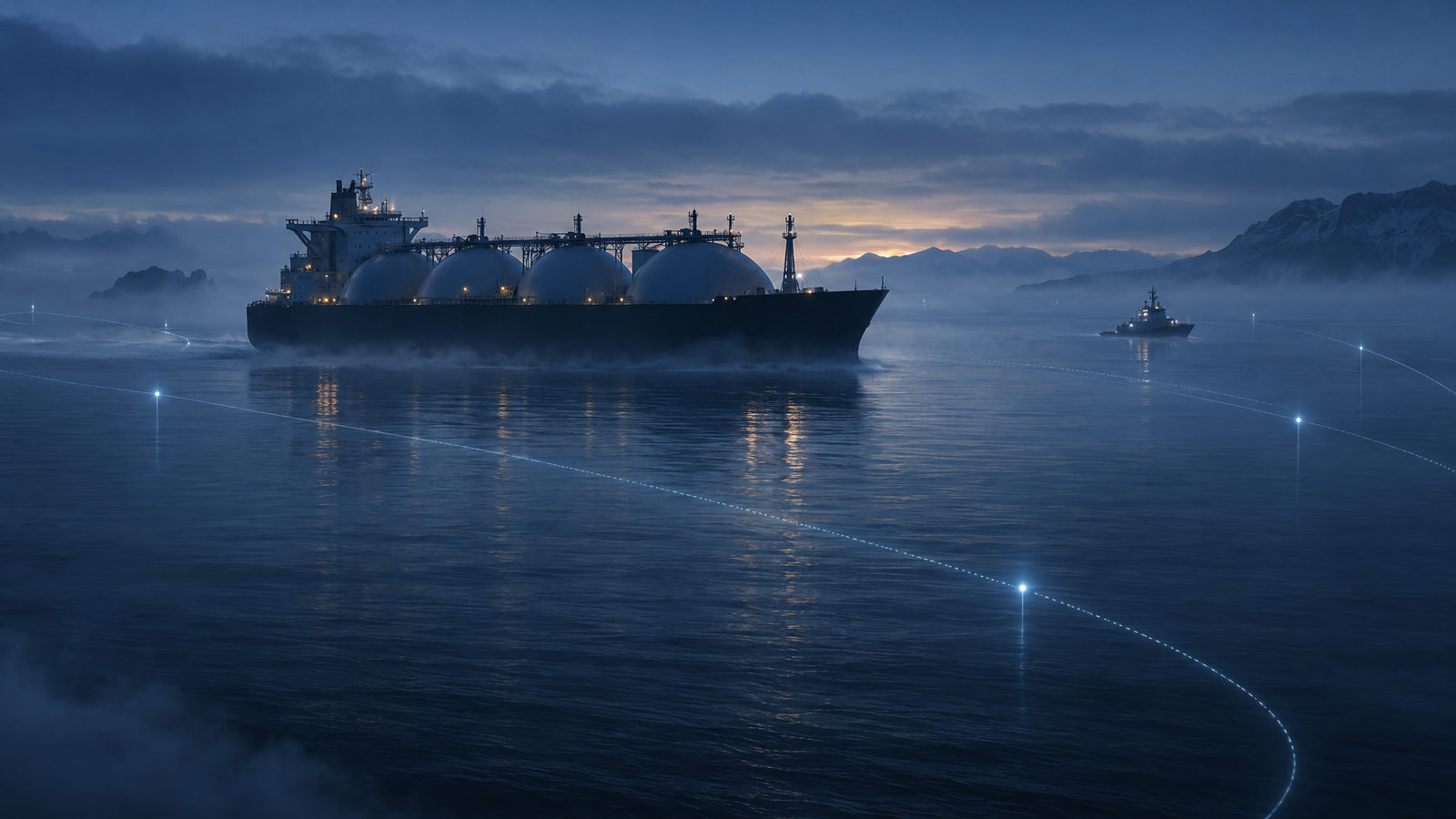
Maritime measures are a central part of the announcement. They cover three vessels described as part of a shadow fleet, two vessels said to provide those ships with bunkering services, and three Russian-owned ice-class vessels. Bunkering means supplying a ship with fuel, making those service vessels relevant to the ability of tankers to keep operating.
British authorities say Russia has been acquiring ships to support gas-export revenues while seeking to evade existing restrictions. Some of the vessels in this package entered service as recently as July, according to the announcement. Targeting both cargo-carrying vessels and their support services is intended to make such operations more difficult, rather than concentrating only on the ships carrying gas.
Allegations require clear qualification
Eight of the people designated are accused by the UK of involvement in the arbitrary detention, torture and ill-treatment of Ukrainian civilians in Russian-occupied territory. A further seven are targeted over alleged involvement in the indoctrination and militarisation of Ukrainian children, including children deported by Russian authorities, the UK says.
The package also includes seven people whom the UK alleges were involved in pro-Kremlin disinformation. The announcement says four of them are Georgian nationals and links the activity to attempts to legitimise Russia’s occupation of Ukrainian territory and work in Russian-installed authorities in occupied South Ossetia.
Those are the grounds stated for the designations, not criminal convictions. A sanctions designation imposes restrictions under the UK regime; it does not by itself determine an individual’s criminal liability or resolve every allegation made in connection with the war. The announcement does not set out criminal-court outcomes for the people named.
Energy pressure alongside limited licensing
The measures are aimed in part at a sector the UK considers important to Russia’s future export income. Liquefied natural gas can be moved by specialist vessels, and the inclusion of ice-class ships underlines the focus on transport capacity as well as cargo ownership. The practical effect will depend on enforcement, the availability of alternative vessels and services, and decisions taken by other jurisdictions.
At the same time, the UK said existing licensing arrangements for maritime transportation of liquefied natural gas had been extended on a targeted, time-limited basis to support energy security in Japan and South Korea. That distinction matters: the announcement combines additional pressure on specified Russian-linked activity with a limited arrangement intended to help partners transition away from Russian energy.
For firms that provide maritime, financial, insurance, fuel-supply or trust services, the package adds further names and vessels to sanctions-screening work. The measures do not themselves show that a particular shipment has been stopped or that gas flows have changed. They establish new legal restrictions whose operational consequences will emerge through implementation.
A broader policy signal
The announcement brings revenue, information activity and alleged human-rights abuses into a single package. That approach reflects an effort to constrain the financial and logistical systems that support Russia’s war while also imposing consequences on people the UK says are connected to abuses in occupied areas.
Its immediate significance is therefore the new designations and vessel restrictions, not a finding that the stated objectives have already been achieved. Whether the measures materially disrupt transport networks or reduce revenue will require evidence over time. For now, the package marks a fresh UK action within the wider sanctions response to Russia’s invasion of Ukraine, with allegations against individuals kept distinct from judicial findings.