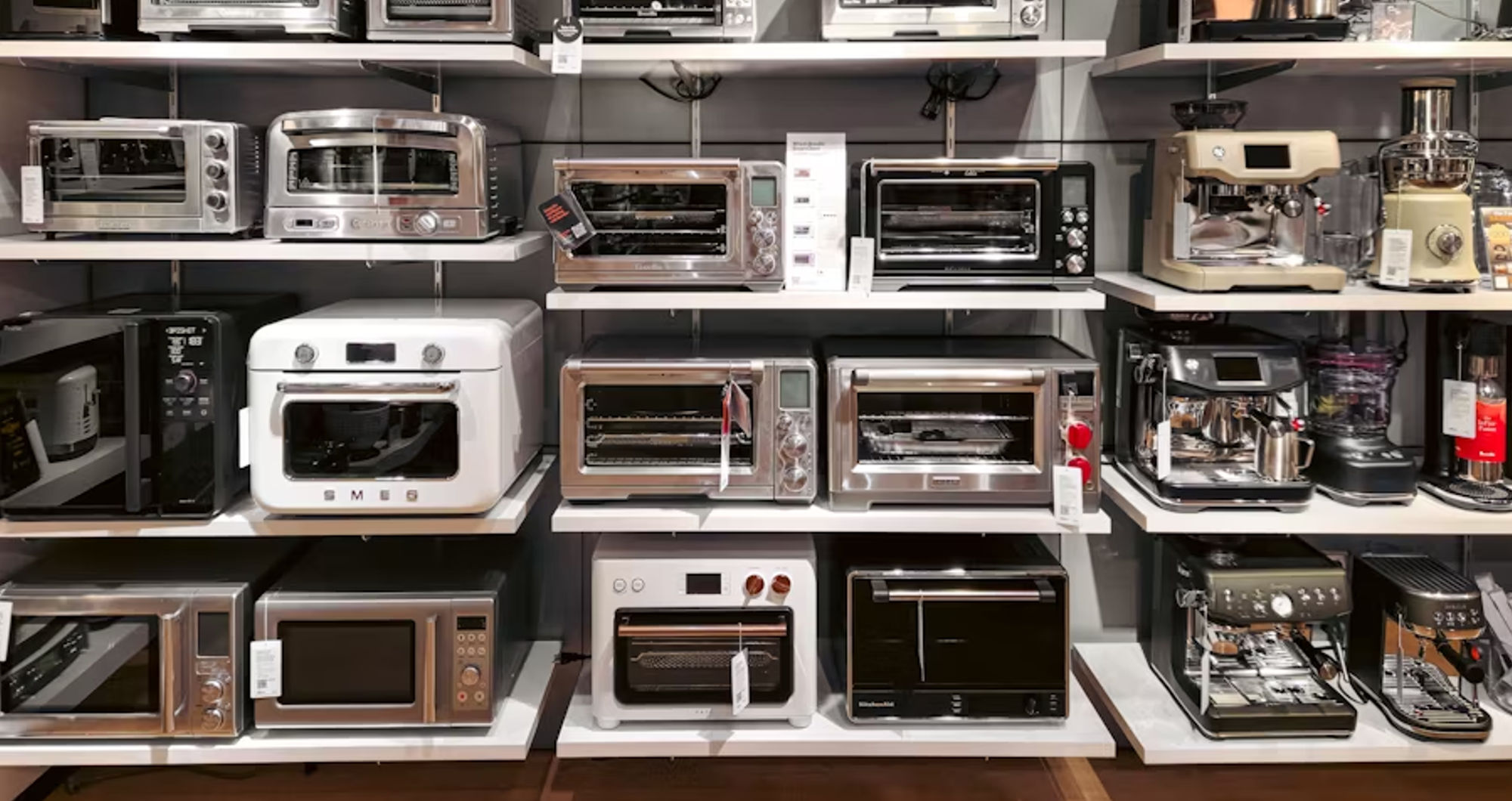

When my washing machine died last month, I stared at the specs: 2.2kW motor, 1400 RPM, A+++ rating; realising I had no idea what any of it truly meant. Was I paying extra for a performance I’d never notice? Or cutting costs where it mattered?
We’re surrounded by electric motors, powering our cars, appliances, tools, and heating systems; yet most of us don’t actually understand the numbers guiding our purchases. As electric tech becomes the default and efficiency matters more than ever, knowing what those specs mean isn’t just technical trivia. It’s the difference between making smart investments… and blindly trusting the marketing.
What Power Ratings Actually Tell You
Electric motor power ratings indicate how much work a motor can perform over time. In the UK and most of the world, this is measured in watts (W) or kilowatts (kW), with one kilowatt equalling 1,000 watts. An older measurement you might still encounter is horsepower (hp), where one horsepower equals approximately 746 watts.
But here’s what confuses people: higher power doesn’t automatically mean better performance for every application. A 2kW motor isn’t necessarily “better” than a 1kW motor; it’s simply capable of doing more work per unit of time. Whether that additional capacity matters depends entirely on what you’re asking the motor to do.
The same principle applies to electric motors in consumer products. Your washing machine needs enough power to spin wet laundry effectively. Your vacuum cleaner needs sufficient power to create strong suction. Your power drill needs adequate power to drive screws into various materials. But exceeding these requirements doesn’t necessarily improve performance; it just consumes more energy and costs more money upfront.
This is why understanding context matters more than just comparing numbers. A 1.5kW vacuum cleaner isn’t automatically worse than a 2kW model. The effective suction depends on motor efficiency, airflow design, and overall engineering. Marketing often emphasises power ratings because they’re simple to compare, but they’re not the complete picture of performance.
Power, Efficiency, and Running Costs
Power ratings matter most when they affect running costs and efficiency. Motors turn electricity into work, but some energy is always lost as heat. A more efficient motor can deliver better performance while using less power.
That’s where energy labels (like the EU’s A+++) help. A well-designed 1.2kW motor may outperform a less efficient 1.5kW motor and cost less to run. For appliances used frequently, washing machines, fridges, and heating systems, those efficiency differences add up quickly.
For example, a 2kW motor running for an hour uses 2kWh of electricity. At about 30p per kWh, that’s 60p per hour. If a 1.5kW motor can do the same job, it costs roughly 45p, saving 25%. Multiply that across years of use, and electricity savings can exceed the upfront price difference.
So the cheapest appliance isn’t always the cheapest in the long run. Efficient motors can lower lifetime costs and reduce environmental impact, making them the smarter investment.
Motors in Everyday Applications
Understanding how power requirements differ across products makes specifications easier to interpret.
Kitchen appliances like blenders and mixers generally use 300W–1.5kW motors. More power helps with tough tasks like crushing ice or kneading dough, but for light use it’s unnecessary. Motor power isn’t the only performance factor; blade and build quality matter too.
Vacuum cleaners are a good example of misleading marketing. Manufacturers used to push high-watt motors as “stronger,” even when the airflow design was poor. EU rules now cap motors at 900W, and today’s efficient models deliver great suction with less power.
Making Informed Purchase Decisions
When comparing products with electric motors, power is only one piece of the puzzle. Choose a motor that fits how you’ll actually use the product; occasional light tasks don’t require high-end power, while heavy use might. Pay close attention to efficiency ratings, since running costs can outweigh the purchase price over time. Motor type matters too: brushless and inverter motors usually offer better efficiency and longer life.
Build quality and real-world reliability should guide decisions more than a spec sheet. And always think in terms of total cost over the product’s lifetime, not just what’s cheapest upfront.
For those wanting a deeper technical understanding of motor specifications and types, exploring comprehensive resources on what is power motor technology helps contextualise the range of motor designs, power ratings, and applications across consumer and industrial uses. Technical specifications make more sense when you understand the underlying principles of how different motor types operate and how their designs affect performance characteristics.
The Future of Consumer Electric Motors
As more of our homes and vehicles become electric, understanding motor efficiency and power matters; not just for performance, but for our wallets and the environment. Modern motors are smarter and more efficient, often doing more with less energy. That means we need to move past the idea that “bigger power = better product.”
The best choice isn’t always the highest-powered or most expensive model. It’s the one with enough capability for your needs while keeping running costs low. Knowing what those motor specs actually mean helps you cut through marketing noise and make confident, cost-smart decisions.
My own washing machine purchase came down to exactly that: a mid-power motor, excellent efficiency, and proven reliability. Not the flashiest specs, but the right performance, and the right long-term value.